All the evidence shows voters want Labour to shift to the left — but initial signs from Andy Burnham are worrying on that front, cautions DIANE ABBOTT


 Latest editorial
Remembering anti-Nazi actor Marlene Dietrich, 30 years after her death
JENNY FARRELL pays tribute to the German-born star of the big screen who spoke out against her fascist homeland
 Marlene Dietrich and Emil Jannings in The Blue Angel (1930)

ANDY McDONALD MP says Labour must show it is capable of delivering real improvements in people’s lives — bold action is required
ANGUS REID and ANDREW JOHNSTONE report on an initiative that we must take this summer
ALLISON FEWTRELL on what Plaid Cymru's historic election victory means for the communities being failed by Wales’s housing crisis, and four things the new government can do right now
France Insoumise MP JEROME LEGAVRE speaks to Christophe Domec on building the Europe-wide peace movement that came together in the International Conference Against War last weekend
At last weekend’s International Conference Against War, LINDA PENTZ GUNTER talks to the Palestinian physician and politician about the struggles ahead to achieve a truly free Palestine





MARLENE DIETRICH, who died 30 years ago, on May 6 1992, must be remembered not only for her importance as role model for emancipation, but also for her outspoken and active stand against her Nazi homeland.
Born in Berlin on December 27 1901, she became one of the most famous actors of all time.
Her breakthrough came with the 1929 film The Blue Angel. She left Germany for Hollywood in 1930.

Similar stories
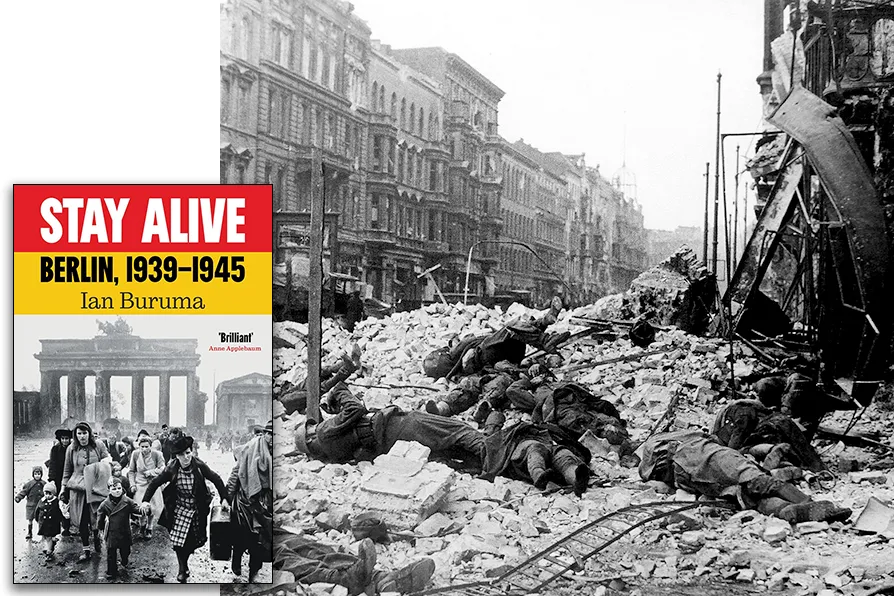
MARJ MAYO sees the contemporary relevance of this account of the consequences of a society’s accommodation with evil

Hundreds in Berlin gathered on January 15 to honour the US-born socialist who made East Germany his home. Florentine Morales Sandoval reports

NICK WRIGHT returns to Berlin and finds a city in darkness and political turmoil

In a speech to the 12th Xiangshan Forum in Beijing, SEVIM DAGDELEN warns of a growing historical revisionism to whitewash Germany and Japan’s role in WWII as part of a return to a cold war strategy from the West — but multipolarity will win out