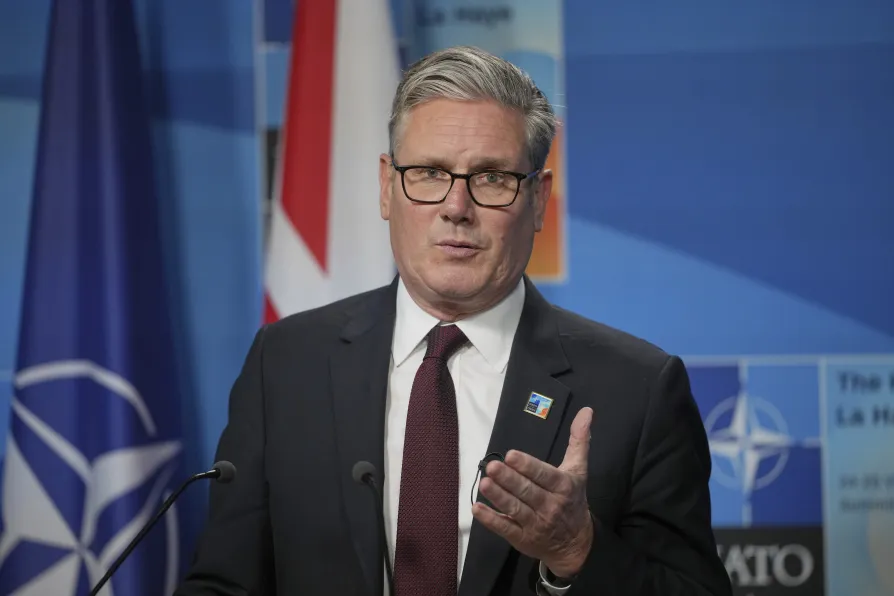
All the evidence shows voters want Labour to shift to the left — but initial signs from Andy Burnham are worrying on that front, cautions DIANE ABBOTT


 Latest editorial
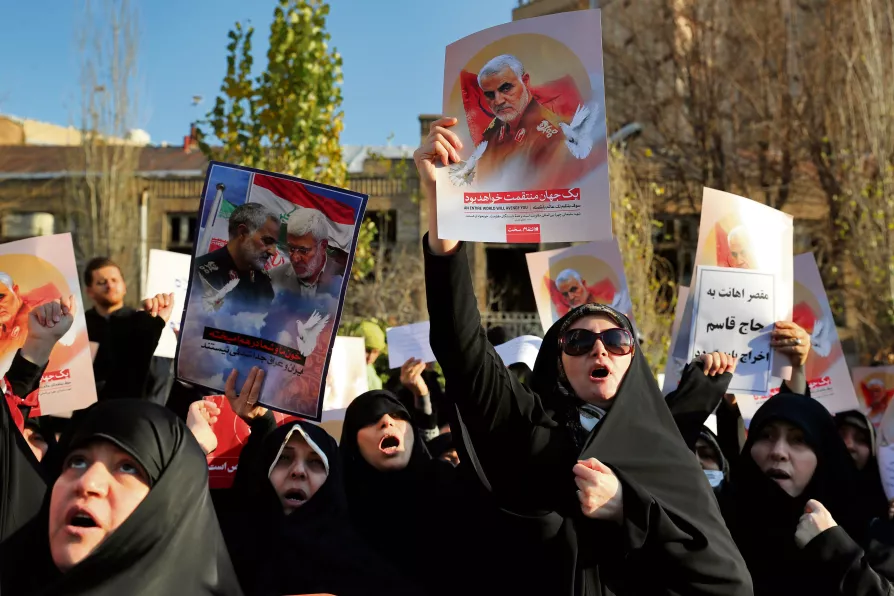
‘Oil prices rose 4 per cent after Soleimani’s assassination’
ZOLTAN ZIGEDY explains how and why the US empire murdered a leading Iranian general without warning in Iraq
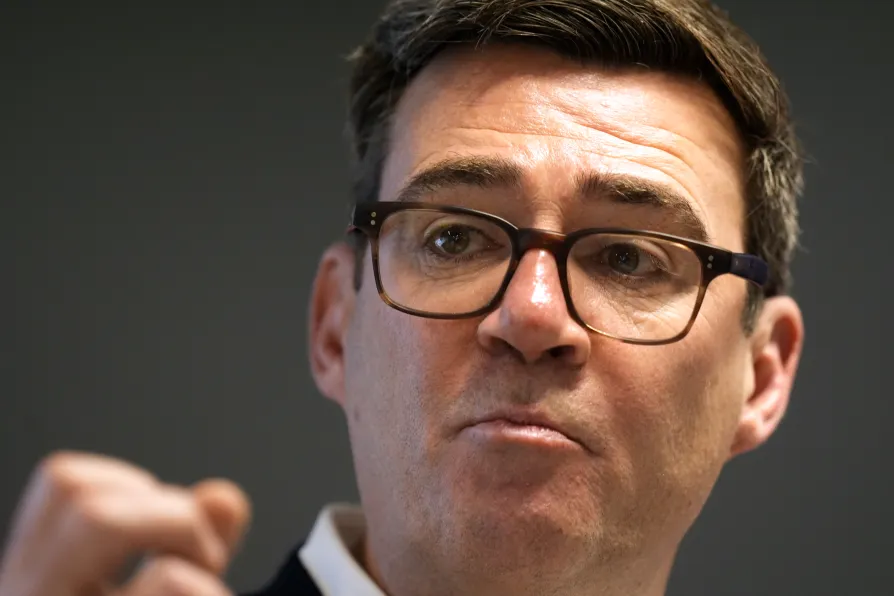
ANDY McDONALD MP says Labour must show it is capable of delivering real improvements in people’s lives — bold action is required
ANGUS REID and ANDREW JOHNSTONE report on an initiative that we must take this summer
ALLISON FEWTRELL on what Plaid Cymru's historic election victory means for the communities being failed by Wales’s housing crisis, and four things the new government can do right now
France Insoumise MP JEROME LEGAVRE speaks to Christophe Domec on building the Europe-wide peace movement that came together in the International Conference Against War last weekend
At last weekend’s International Conference Against War, LINDA PENTZ GUNTER talks to the Palestinian physician and politician about the struggles ahead to achieve a truly free Palestine





IMAGINE a prominent public figure — a general or a political leader — flying into a commercial, public airport of another country to attend a funeral, perhaps negotiate a peace initiative. After being greeted by a top leader of that country’s militia, national guard, or military reserve, the two proceed to leave the airport in a motorcade, taking no particularly remarkable security arrangements.
A drone from a third country intercepts the motorcade, firing missiles and killing everyone involved.
Understandably, such an event would provoke world outrage and calls for bringing the perpetrator to justice. If the visiting public figure were a Nato general visiting Greece, a cabinet member landing in Colombia, or an ambassadorial assignee in Japan, denouncements would ensue, moral indignation would explode, and legal consequences would follow. An angry UN would respond to calls for sanctions. Terrorism alerts would reach a high level.
Similar stories
Washington’s response to a downed jet shows a superpower still reaching for overwhelming force even as its wars repeatedly fail, says NICK WRIGHT
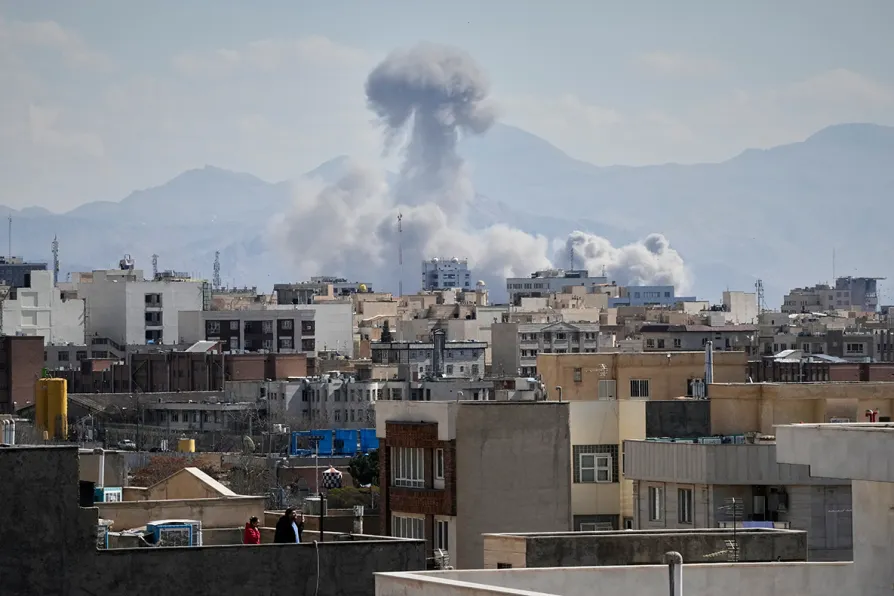
Tehran retaliates with attacks on Israel, the Gulf Arab states and crude oil flows
Trump threatens war and punitive tariffs to recapture Iranian resources – just as in 1953, when the CIA overthrew Mossadegh and US corporations immediately seized 40% of the oil, says SEVIM DAGDELEN