All the evidence shows voters want Labour to shift to the left — but initial signs from Andy Burnham are worrying on that front, cautions DIANE ABBOTT


 Latest editorial
New Zealand employers running ‘active misinformation campaign’ on Fair Pay Act
TONY BURKE explains how new collective bargaining plans are being misrepresented by vested interests
 Kirk Hope, Chief Executive of BusinessNZ
[Tertiary Education Union / Creative Commons]
Kirk Hope, Chief Executive of BusinessNZ
[Tertiary Education Union / Creative Commons]

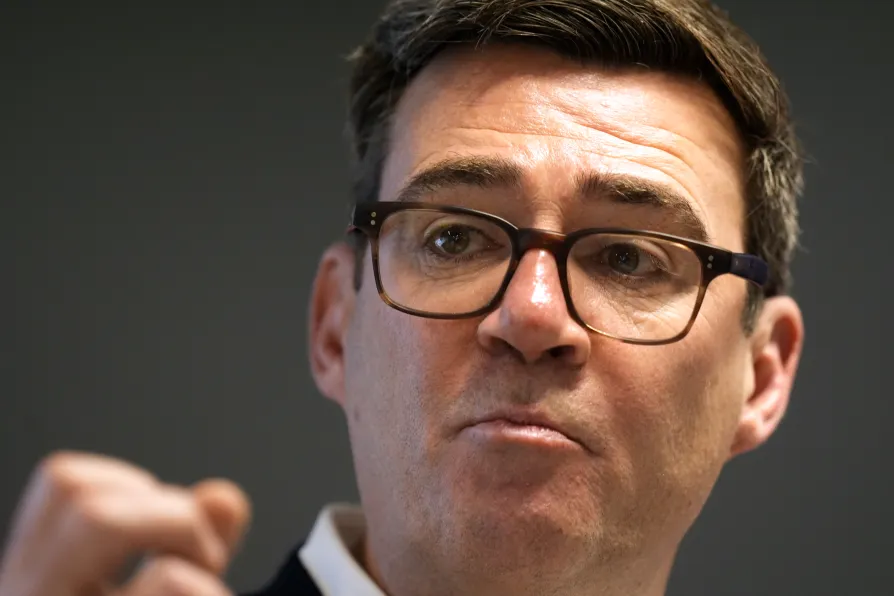
ANDY McDONALD MP says Labour must show it is capable of delivering real improvements in people’s lives — bold action is required
ANGUS REID and ANDREW JOHNSTONE report on an initiative that we must take this summer
ALLISON FEWTRELL on what Plaid Cymru's historic election victory means for the communities being failed by Wales’s housing crisis, and four things the new government can do right now
France Insoumise MP JEROME LEGAVRE speaks to Christophe Domec on building the Europe-wide peace movement that came together in the International Conference Against War last weekend
At last weekend’s International Conference Against War, LINDA PENTZ GUNTER talks to the Palestinian physician and politician about the struggles ahead to achieve a truly free Palestine





IN New Zealand the Labour government is planning to introduce a nationwide collective bargaining system known as the Fair Pay Act.
Minister for Workplace Relations and Safety Michael Wood, who is piloting the plans, has accused BusinessNZ — the country’s employers’ body — of running an “active misinformation” campaign after an ILO committee found the law was not inconsistent with international conventions.
BusinessNZ argued before an ILO committee that fair pay agreements would constitute compulsory arbitration in breach of ILO Convention 98 on the right to organise and join unions and bargain collectively.

Similar stories
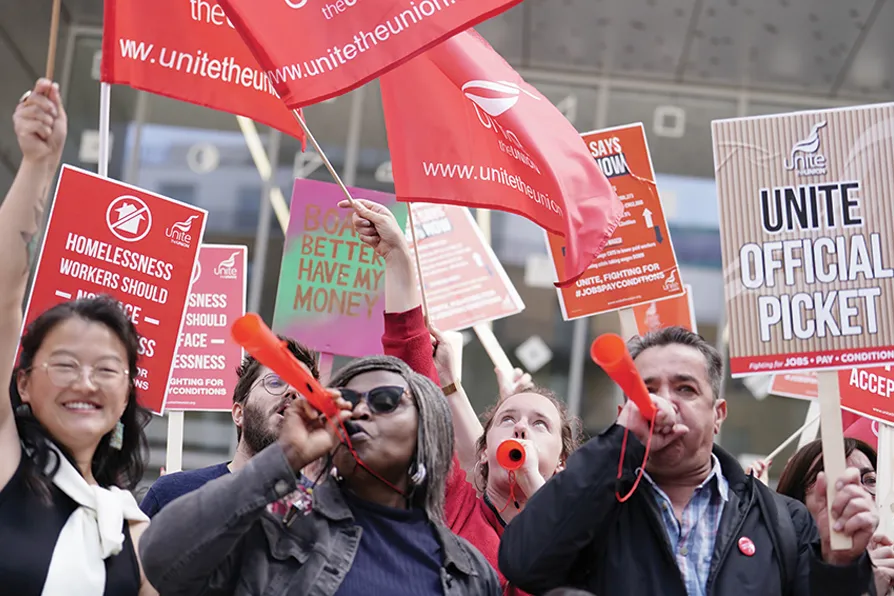
The unions are unhappy with the Employment Rights Act 2025 and with good reason. KEITH EWING and Lord JOHN HENDY KC take a close look at why the Bill promised more than it delivered
Labour’s long-promised Act has scraped through the Lords. While the law marks a step forward, its lack of collective rights leaves workers short-changed — and sets the stage for a renewed campaign for an Employment Rights Bill #2, argues TONY BURKE
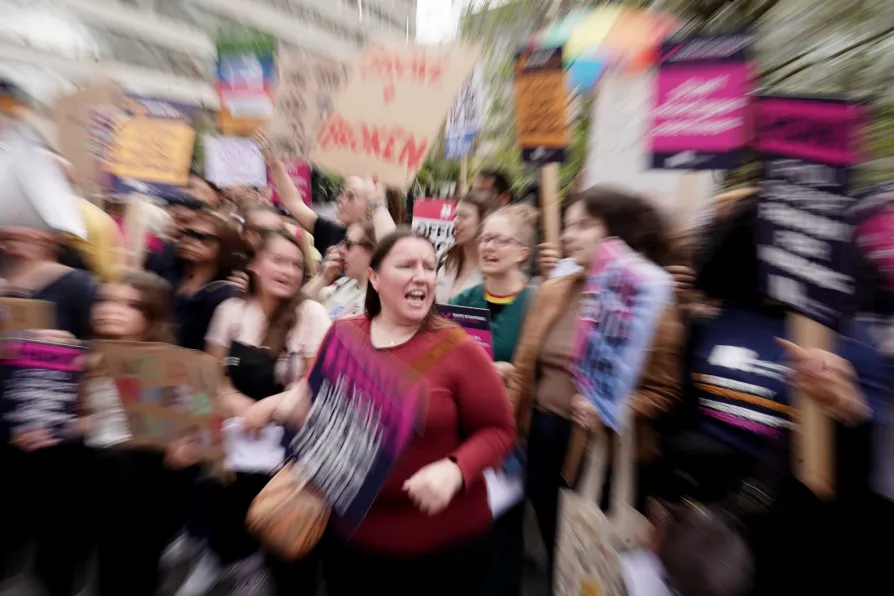
The Bill addresses some exploitation but leaves trade unions heavily regulated, most workers without collective bargaining coverage, and fails to tackle the balance of power that enables constant mutation of bad practice, write KEITH EWING and LORD JOHN HENDY KC
It is only trade union power at work that will materially improve the lot of working people as a class but without sector-wide collective bargaining and a right to take sympathetic strike action, we are hamstrung in the fight to tilt back the balance of power, argues ADRIAN WEIR