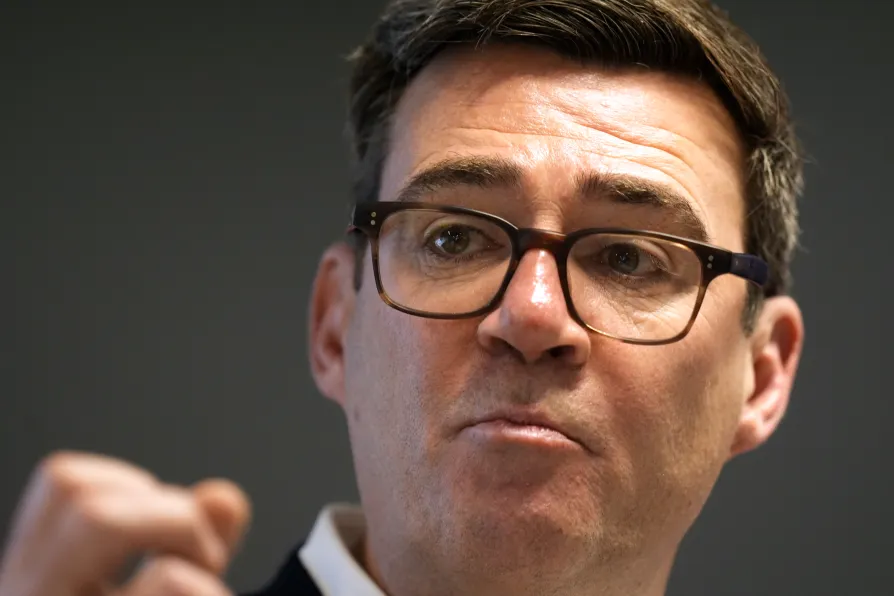
All the evidence shows voters want Labour to shift to the left — but initial signs from Andy Burnham are worrying on that front, cautions DIANE ABBOTT


 Latest editorial
More power than we know: public opinion and government pandemic policy
IAN SINCLAIR demonstrates how we may have more power over the current Tory regime than we realise — an opportunity to force positive political change we should grab with both hands
ANDY McDONALD MP says Labour must show it is capable of delivering real improvements in people’s lives — bold action is required
ANGUS REID and ANDREW JOHNSTONE report on an initiative that we must take this summer
ALLISON FEWTRELL on what Plaid Cymru's historic election victory means for the communities being failed by Wales’s housing crisis, and four things the new government can do right now
France Insoumise MP JEROME LEGAVRE speaks to Christophe Domec on building the Europe-wide peace movement that came together in the International Conference Against War last weekend
At last weekend’s International Conference Against War, LINDA PENTZ GUNTER talks to the Palestinian physician and politician about the struggles ahead to achieve a truly free Palestine





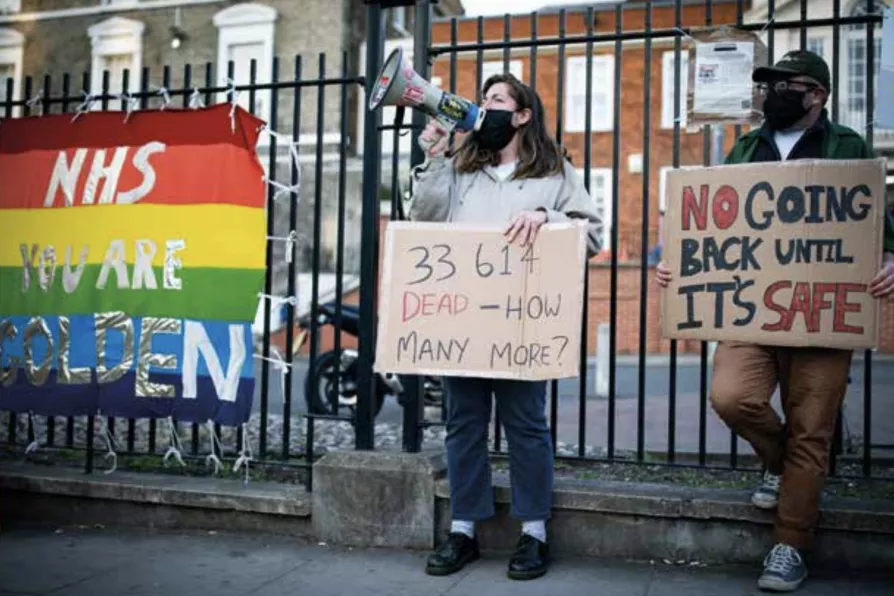
THE hundreds of thousands of WhatsApp messages sent by government ministers during the pandemic and leaked to the Daily Telegraph led to days of news coverage last month.
However, other than being published in a Tory-supporting broadsheet, one important part of the story has already been forgotten.
As the Telegraph reported on March 3: “Boris Johnson considered lifting lockdown restrictions early but decided against it after being told that such a move would not be popular with the general public.”

Similar stories

Established as a landmark victory for the climate movement, the CCC promised to hold governments to account. Today, it is understating the danger of climate chaos and impeding the radical action needed, says IAN SINCLAIR
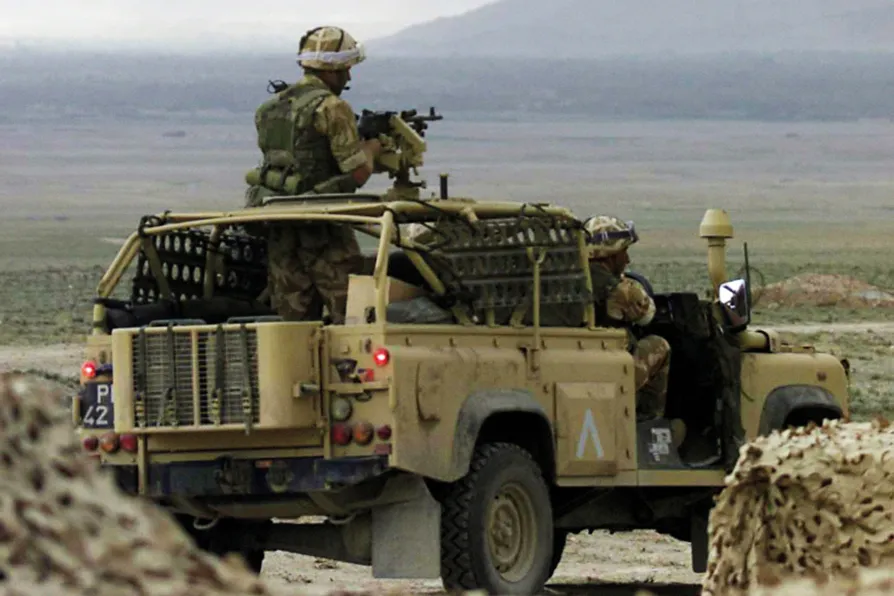
Outrage greeted Donald Trump’s suggestion earlier this year that Britain stayed off the front lines. But evidence suggests our forces were at times pulled from the most dangerous fighting — not by military failure, but by pressure at home, says IAN SINCLAIR
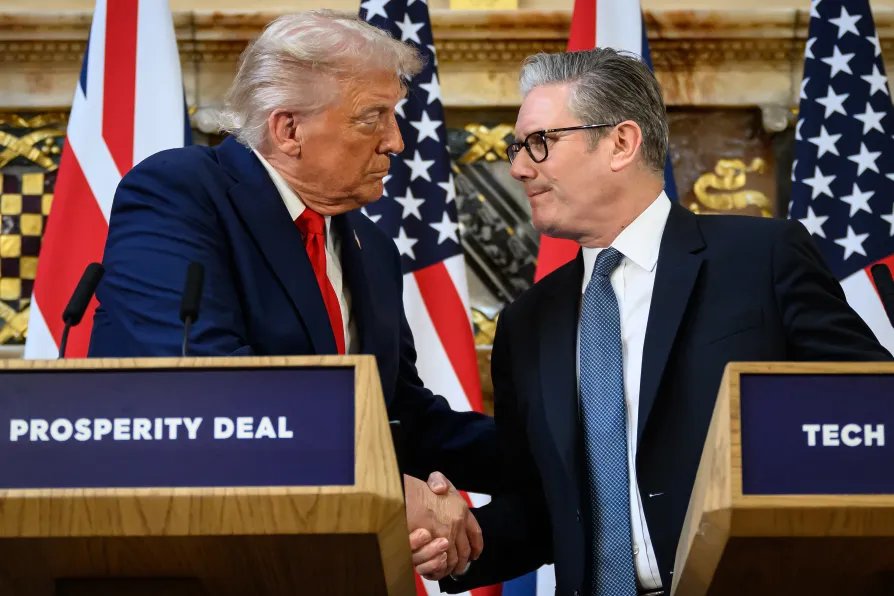
The media present Starmer as staying out of Trump’s war — but we’re already deeply involved in a conflict that sees the US and Israel kill civilians on a huge scale, argues IAN SINCLAIR
Who you ask and how you ask matter, as does why you are asking — the history of opinion polls shows they are as much about creating opinions as they are about recording them, writes socialist historian KEITH FLETT