All the evidence shows voters want Labour to shift to the left — but initial signs from Andy Burnham are worrying on that front, cautions DIANE ABBOTT


 Latest editorial
The global South and imperialist hegemony
From the Brics nations, to Ukraine and Venezuela, contradictions within the global order are emerging, argues NICK WRIGHT
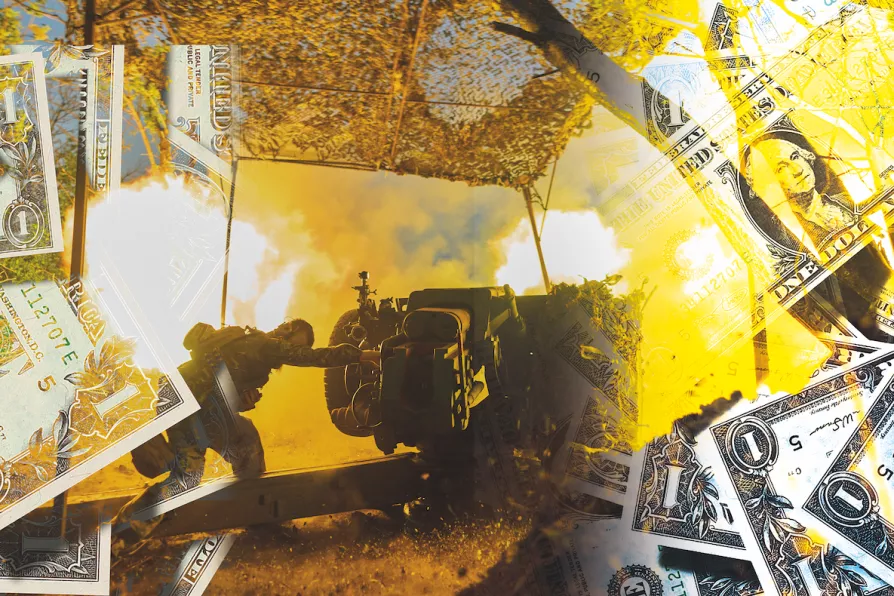
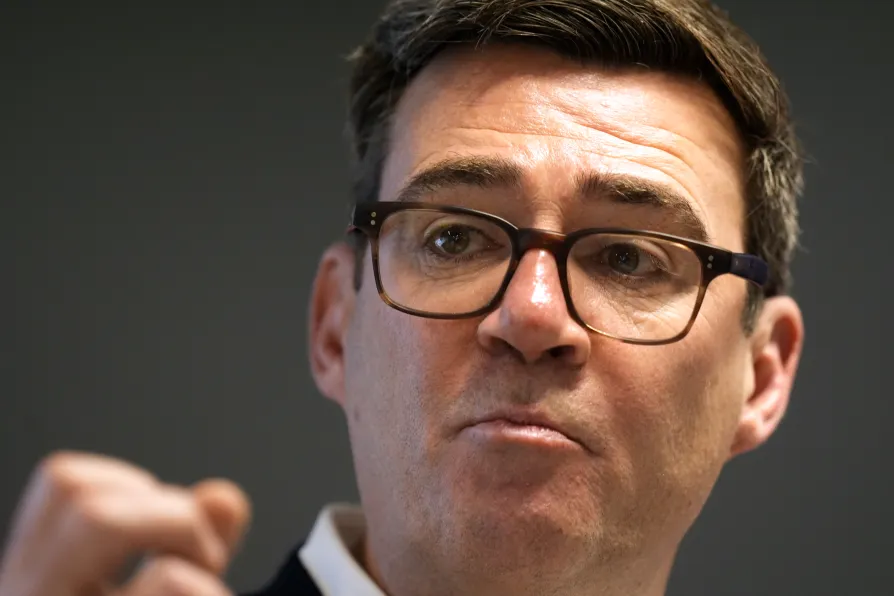
ANDY McDONALD MP says Labour must show it is capable of delivering real improvements in people’s lives — bold action is required
ANGUS REID and ANDREW JOHNSTONE report on an initiative that we must take this summer
ALLISON FEWTRELL on what Plaid Cymru's historic election victory means for the communities being failed by Wales’s housing crisis, and four things the new government can do right now
France Insoumise MP JEROME LEGAVRE speaks to Christophe Domec on building the Europe-wide peace movement that came together in the International Conference Against War last weekend
At last weekend’s International Conference Against War, LINDA PENTZ GUNTER talks to the Palestinian physician and politician about the struggles ahead to achieve a truly free Palestine





ONCE we grasp the connection between a decade or more of ever-rising levels of corporate profits (and the enormous bonuses and remuneration packages which inevitably accompany corporate power and ownership) and the year-on-year decline in the purchasing power of our wages, the systemic nature of Britain’s crisis becomes clear.
The dual character of British capitalism — simultaneously a key player in the global imperialist system engaged in the extraction of super-profits from the labour of millions both at home and abroad — emerges.
Supranational entities like the European Union, the European Central Bank, the International Monetary Fund and the World Bank appear as part of the natural order and only bit by bit does it emerge that these are the superstructural elements that police this system of super-exploitation.

Similar stories
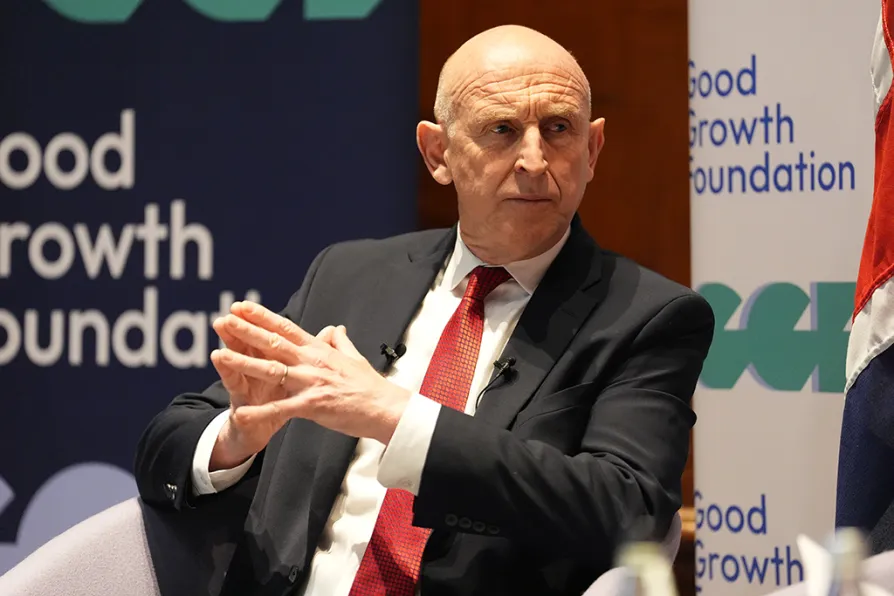
The defence secretary’s resignation reveals not a split over principle but a dispute over pace of military spending, as Britain’s political Establishment unites behind deeper Nato commitments, argues NICK WRIGHT
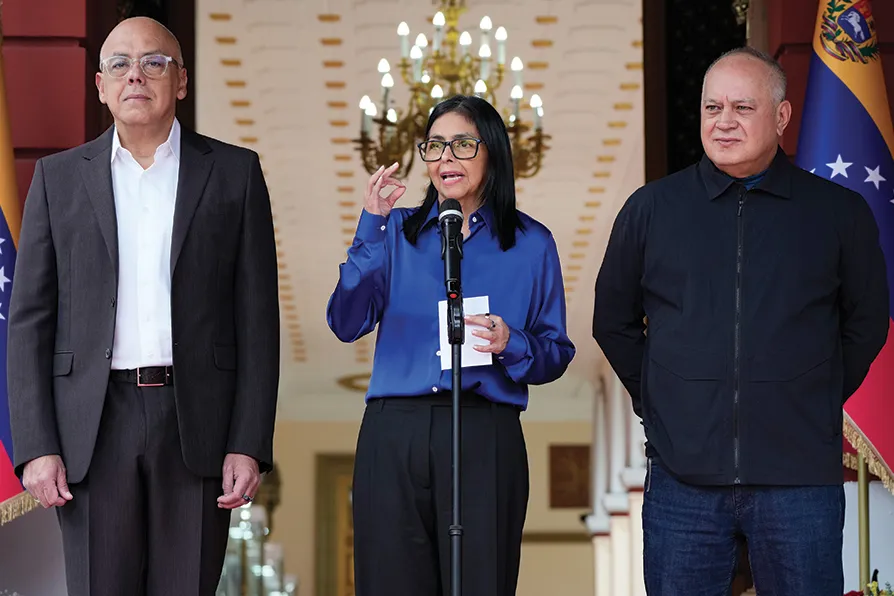
International solidarity can ensure that Trump and his machine cannot prevail without a level of political and economic cost that he will not want to pay, argues CLAUDIA WEBBE
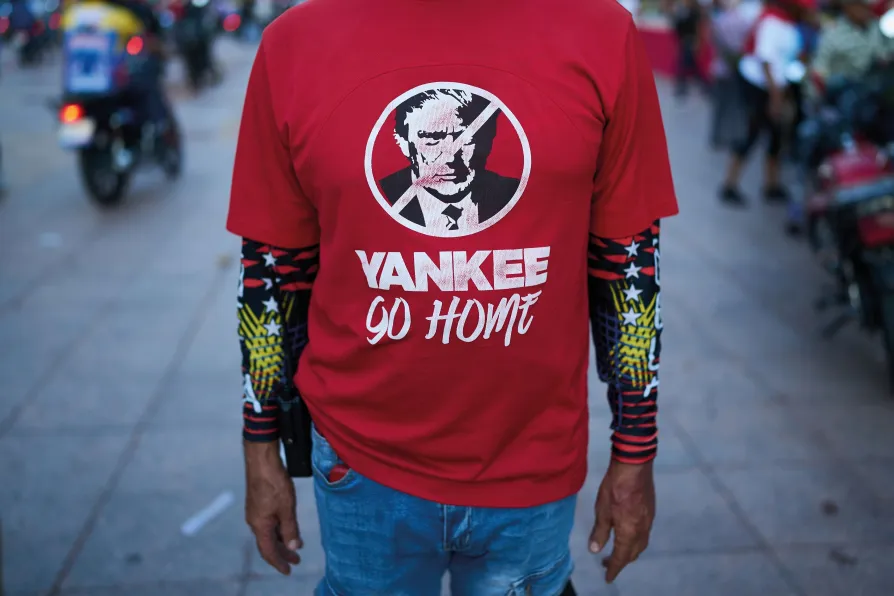
Western nations’ increasingly aggressive stance is not prompted by any increase in security threats against these countries — rather, it is caused by a desire to bring about regime changes against governments that pose a threat to the hegemony of imperialism, writes PRABHAT PATNAIK
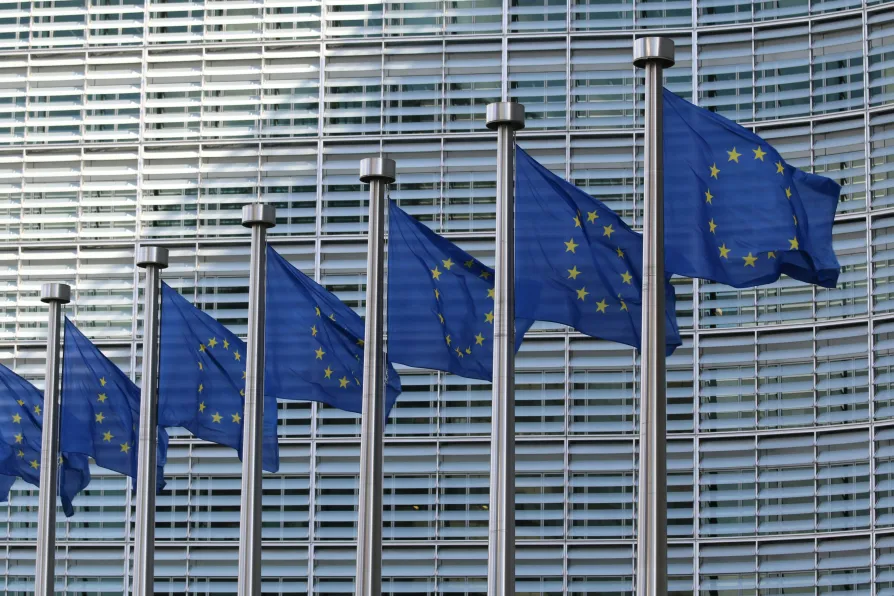
Starmer sabotaged Labour with his second referendum campaign, mobilising a liberal backlash that sincerely felt progressive ideals were at stake — but the EU was then and is now an entity Britain should have nothing to do with, explains NICK WRIGHT