All the evidence shows voters want Labour to shift to the left — but initial signs from Andy Burnham are worrying on that front, cautions DIANE ABBOTT


 Latest editorial
Elon Musk and Twitter: all that is solid melts into air
KEITH FLETT pours scorn on the liberal-minded pretensions of the ‘world's richest man’ and his claim that Twitter can be an open forum for free debate, somehow abstracted from the perversions of capitalism
 The Twitter social media app showing Elon Musk running on a mobile phone

ANDY McDONALD MP says Labour must show it is capable of delivering real improvements in people’s lives — bold action is required
ANGUS REID and ANDREW JOHNSTONE report on an initiative that we must take this summer
ALLISON FEWTRELL on what Plaid Cymru's historic election victory means for the communities being failed by Wales’s housing crisis, and four things the new government can do right now
France Insoumise MP JEROME LEGAVRE speaks to Christophe Domec on building the Europe-wide peace movement that came together in the International Conference Against War last weekend
At last weekend’s International Conference Against War, LINDA PENTZ GUNTER talks to the Palestinian physician and politician about the struggles ahead to achieve a truly free Palestine





ELON MUSK, who claims to be the world’s richest man (and also probably the most indebted one), has bought the social media giant Twitter.
In doing so, he has sacked, often illegally, thousands of Twitter employees, and raised the question of whether it will continue at all.
As often with capitalism, appearance and reality differ. Twitter is a free-to-use platform for anyone to raise and discuss more or less anything, with limited constraints. That means it has numbers of racists and fascists using it, but also significant use by those from marginalised areas of society that the mainstream media reliably ignores.

Similar stories
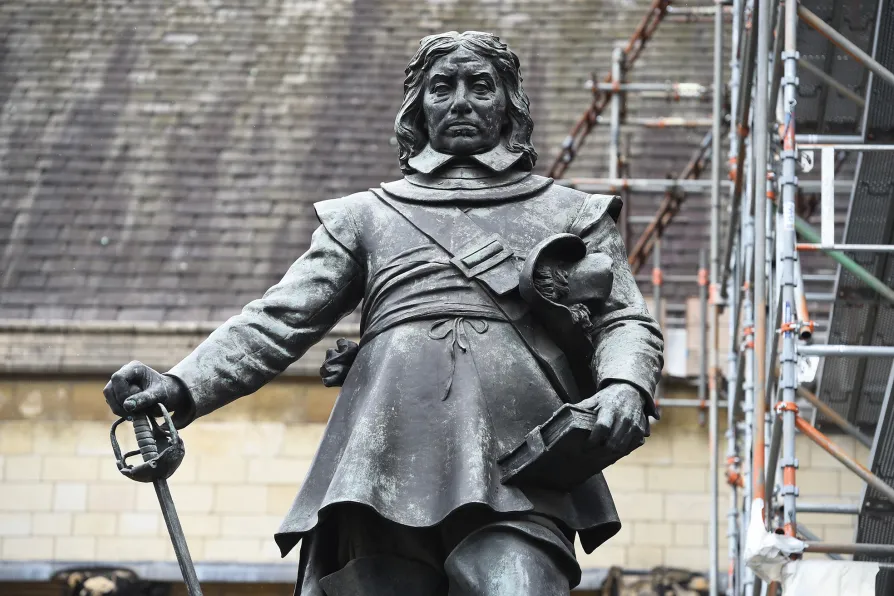
The selection, analysis and interpretation of historical ‘facts’ always takes place within a paradigm, a model of how the world works. That’s why history is always a battleground, declares the Marx Memorial Library
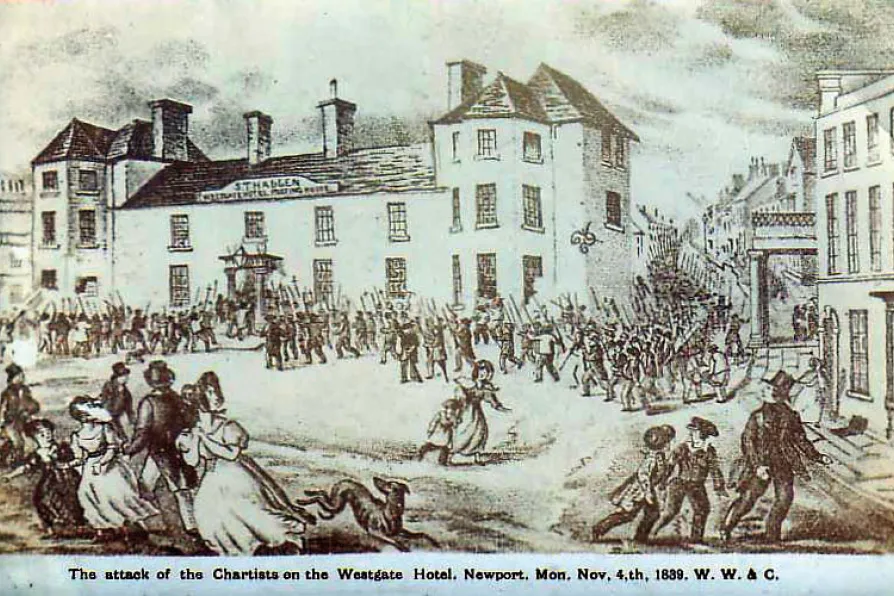
It’s not just the Starmer regime: the workers of Britain have always faced legal affronts on their right to assemble and dissent, and the Labour Party especially has meddled with our freedoms from its earliest days, writes KEITH FLETT

Who you ask and how you ask matter, as does why you are asking — the history of opinion polls shows they are as much about creating opinions as they are about recording them, writes socialist historian KEITH FLETT
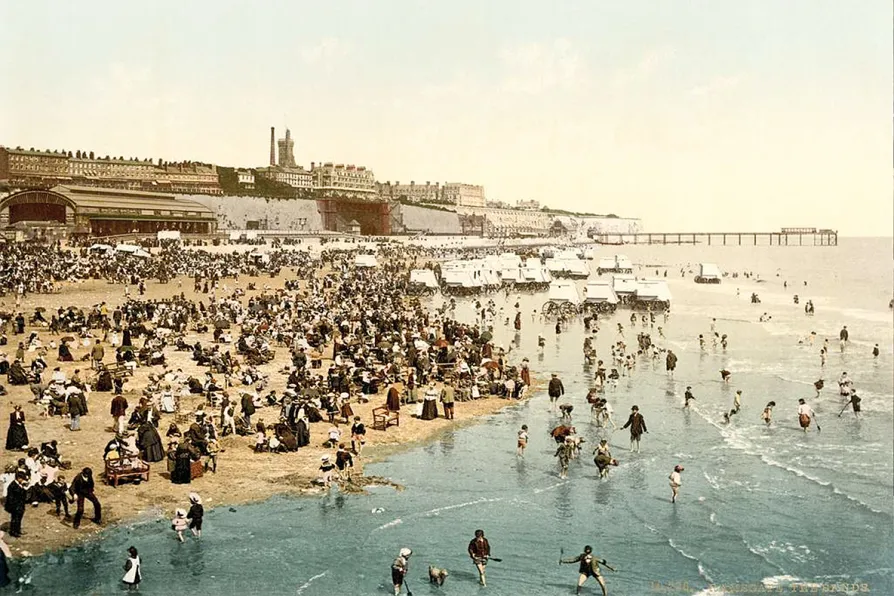
The summer saw the co-founders of modern communism travelling from Ramsgate to Neuenahr to Scotland in search of good weather, good health and good newspapers in the reading rooms, writes KEITH FLETT