ROGER D HARRIS and SARA FLOUNDERS challenge propaganda against the blockaded socialist island


 Latest editorial

Is capitalism cyclical?
As long as we permit capitalism to exist, there will be cycles of development and decay, of gains and losses for capitalists, and of successes and failures for the working class, explains the MARX MEMORIAL LIBRARY
 Regular crises typically happen every five or six years — it was this, Marx said, that proves the labour theory of value in the same way as the collapse of a badly built house proved the law of gravity.

Marx and Engels incorporated in their writings a critique of the way that capitalism destroys the environment but it is only in the last half century that environmental concerns have become an integral part of the fight for socialism, writes the Marx Memorial Library and Workers’ School
The racist Republican tactic of redistricting to keep Trump and his base in power is turning the clock back to the 1950s, writes LINDA PENTZ GUNTER
With a political crisis engulfing the Labour Party, the case for PR is back on the agenda. TONY BURKE argues trade unions must now engage on changes to our voting system
YVETTE WILLIAMS and JOE DELANEY dissect the institutional dawdling that rubbed salt into the Grenfell open wounds prolonging the agony of survivors
The HS2 debacle exposes what happens when public infrastructure is handed to private contractors – especially when set against China’s state-led high-speed rail success, says CARLOS MARTINEZ





DESPITE Gordon Brown’s boast to have ended “boom and bust” capitalism is — and has always been — cyclical. Periodic crises — cycles of growth and decay, of profit and loss for the owners of capital, of victories and defeats for the struggles of working people — are inherent in capitalism.
This was first recognised in the early 19th century by the French economic historian Jean Sismondi. Sismondi challenged earlier classical economists such as Adam Smith and David Ricardo who held that perfect competition would ensure smooth growth.
Sismondi, who coined the term “proletariat” to refer to the working class created under industrial capitalism, argued that cyclic mismatches of production and effective demand were caused by inequalities of income and wealth. He advocated modest state intervention to regulate working hours and progressive taxation to provide unemployment and sickness insurance and pensions. In England, his ideas were taken up by Robert Owen who argued for a form of paternalistic socialism.

Similar stories
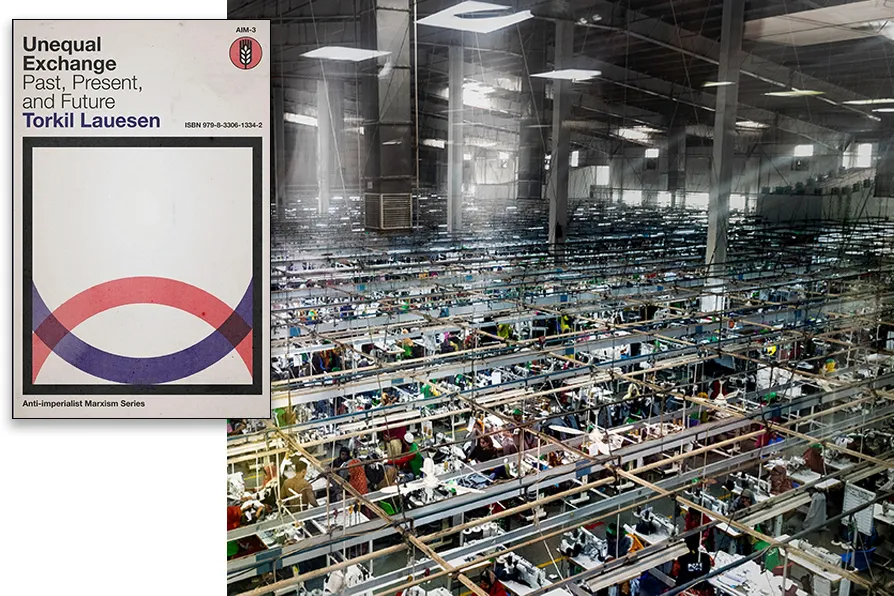
MARTIN GRAHAM welcomes, with reservations, a scholarly addition to the unfinished business of understanding how capital works on a world scale

PHILIP ENGLISH says military spending will not create the jobs young people need — instead, build an economy based around needs, not profit
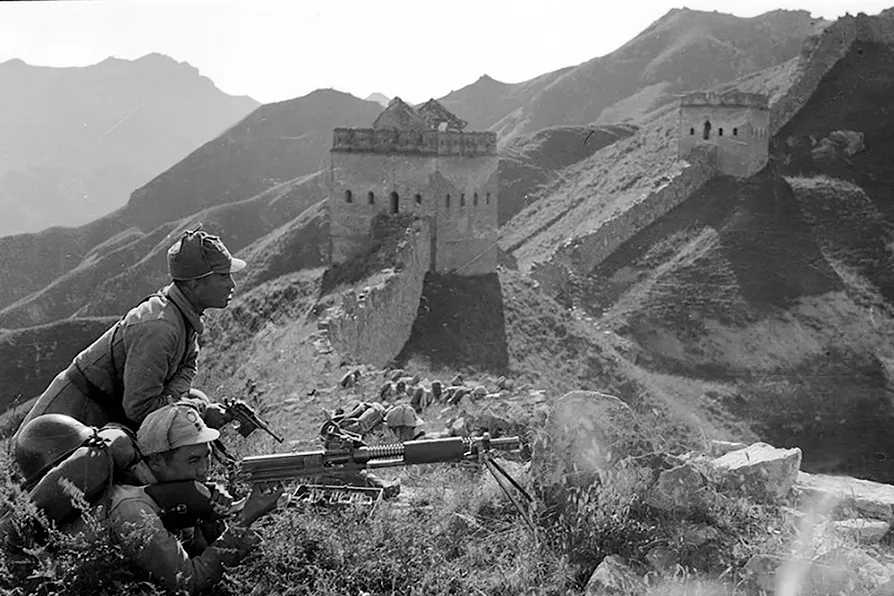
In Part 4 of her look at the Chinese revolution JENNY CLEGG addresses the relationship between the Peasant Movement and the National Movement
If the government really wanted to address public finances, improve living standards and begin economic recovery, it would increase its borrowing for investment, argues MICHAEL BURKE