All the evidence shows voters want Labour to shift to the left — but initial signs from Andy Burnham are worrying on that front, cautions DIANE ABBOTT


 Latest editorial
Can the STUC end the Scottish political stalemate?
VINCE MILLS says the trade unions should step into the breach when it comes to fresh constitutional thinking
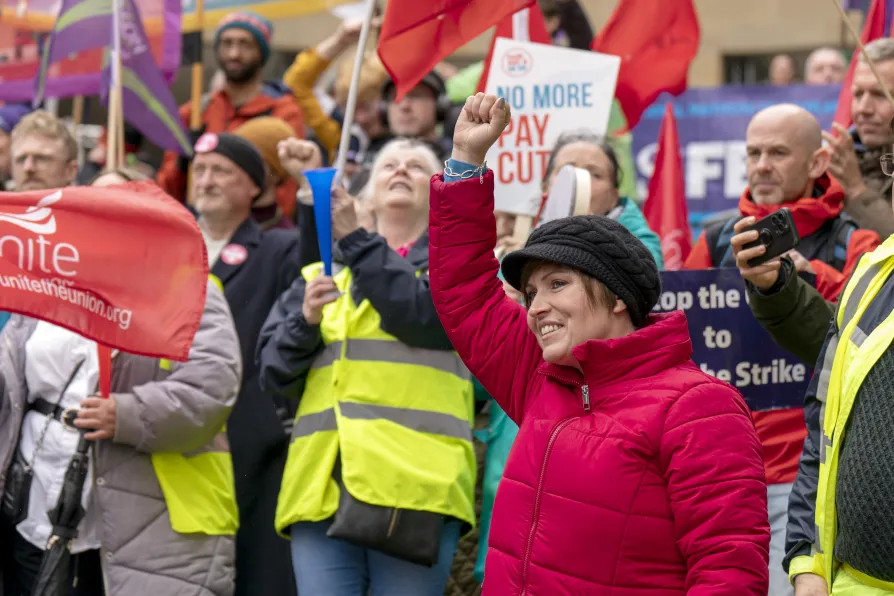
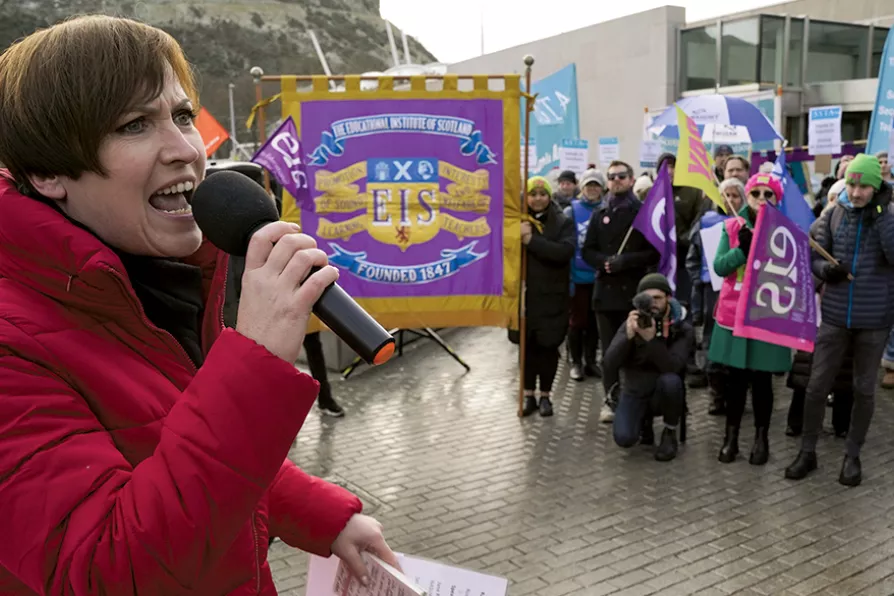 BETTER VISION: Roz Foyer from the STUC joins union members outside the Scottish Parliament, Edinburgh at the Scotland Demands Better rally, organised by the STUC, outside the Scottish Parliament, Edinburgh on December 8 2022
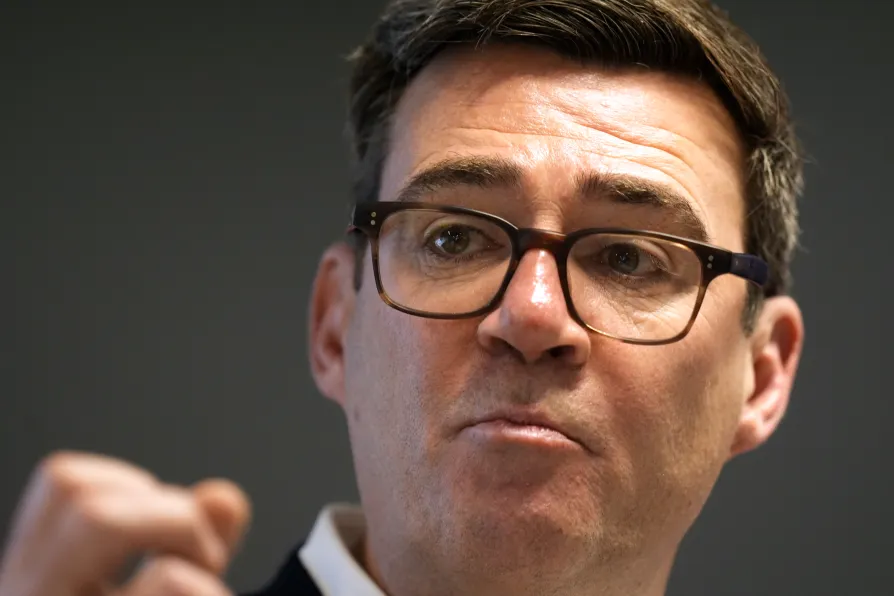
ANDY McDONALD MP says Labour must show it is capable of delivering real improvements in people’s lives — bold action is required
ANGUS REID and ANDREW JOHNSTONE report on an initiative that we must take this summer
ALLISON FEWTRELL on what Plaid Cymru's historic election victory means for the communities being failed by Wales’s housing crisis, and four things the new government can do right now
France Insoumise MP JEROME LEGAVRE speaks to Christophe Domec on building the Europe-wide peace movement that came together in the International Conference Against War last weekend
At last weekend’s International Conference Against War, LINDA PENTZ GUNTER talks to the Palestinian physician and politician about the struggles ahead to achieve a truly free Palestine





NEXT year, 2024, will see the tenth anniversary of the referendum on independence for Scotland. Since that year, the SNP has consolidated its position as the dominant party in Scottish politics, but very much as a centrist party of neoliberalism.
And if, as Nicola Sturgeon claims, the Tories believe that creating a constitutional crisis on the back of the Gender Recognition Act (GRA), will undermine support for the SNP and independence, they are going to be disappointed.
Without for a moment reducing the importance of the GRA both for its supporters or its critics, it is not a burning issue either in the lives of most Scots or in shaping their political allegiances.

Similar stories

Cuts are sweeping campuses as cash-strapped universities slash staff and politicians fail to act on a growing funding emergency. VINCE MILLS reports
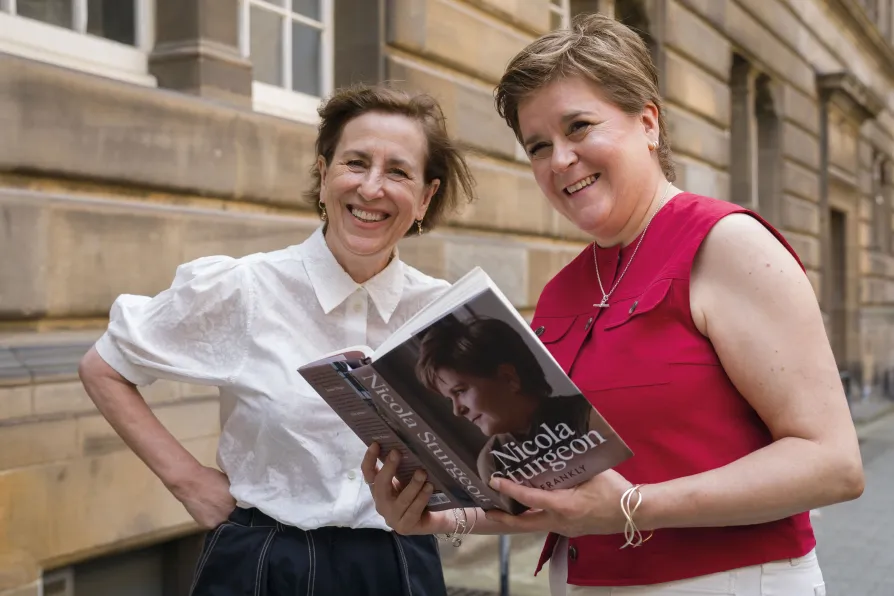
On the release of her memoir that reveals everything except politics, Sturgeon’s endless media coverage has focused on her panic attacks, sexuality and personal tragedies while ignoring her government’s many failures, writes PAULINE BRYAN
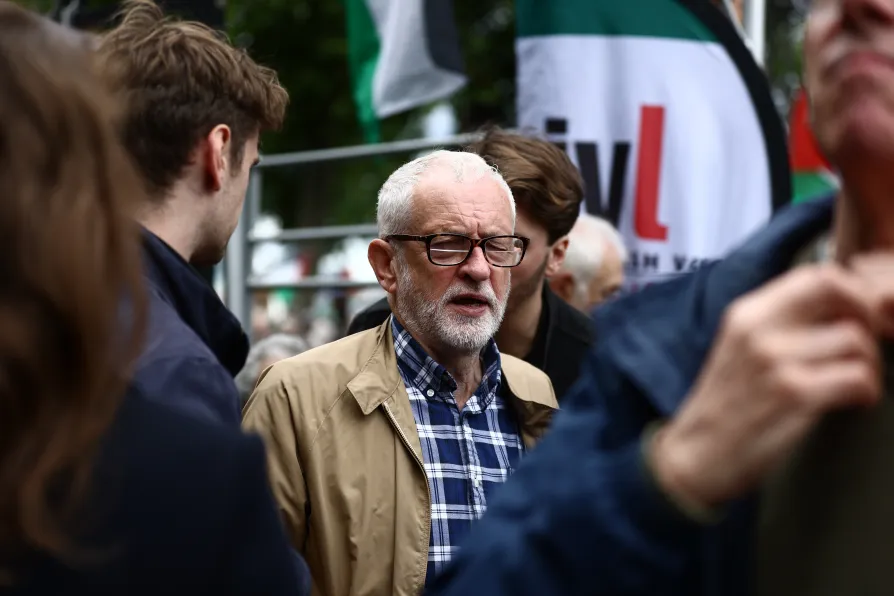
VINCE MILLS cautions over the perils and pitfalls of ‘a new left party’
Ahead of next year’s parliamentary elections, ROZ FOYER warns that a bold tax policy is needed to rebuild devastated public services which can serve as the foundation of a strong, fair economy