All the evidence shows voters want Labour to shift to the left — but initial signs from Andy Burnham are worrying on that front, cautions DIANE ABBOTT


 Latest editorial
Can Israel exist without the US?
Perhaps US aid in 1981 was almost 10 percent of Israel’s economy — in 2020, the nearly $4 billion donation was closer to 1 per cent. Those struggling against the occupation of Palestine must recognise our oppressor’s growing independence, writes RAMZY BAROUD
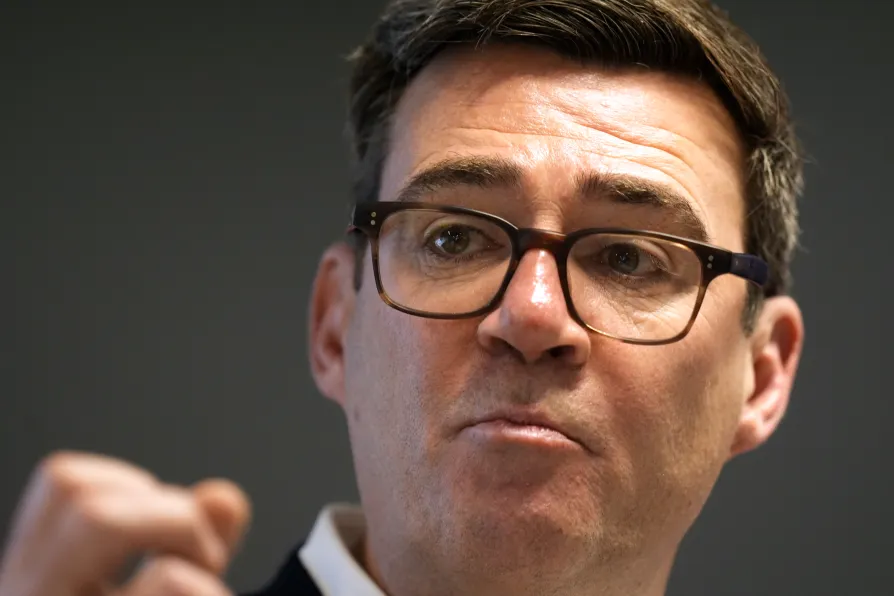
ANDY McDONALD MP says Labour must show it is capable of delivering real improvements in people’s lives — bold action is required
ANGUS REID and ANDREW JOHNSTONE report on an initiative that we must take this summer
ALLISON FEWTRELL on what Plaid Cymru's historic election victory means for the communities being failed by Wales’s housing crisis, and four things the new government can do right now
France Insoumise MP JEROME LEGAVRE speaks to Christophe Domec on building the Europe-wide peace movement that came together in the International Conference Against War last weekend
At last weekend’s International Conference Against War, LINDA PENTZ GUNTER talks to the Palestinian physician and politician about the struggles ahead to achieve a truly free Palestine





WHEN Russian and Ukrainian delegations meeting in Turkey on March 29 reached an initial understanding regarding a list of countries that could serve as security guarantors for Kiev should an agreement be struck, Israel appeared on the list.
The other countries included the US, Britain, China, Russia, France, Turkey, Germany, Canada, Italy and Poland.
One may explain Israel’s political significance to the Russian-Ukrainian talks based on Tel Aviv’s strong ties with Kiev, as opposed to Russia’s trust in Israel. This is insufficient to rationalise how Israel has managed to acquire relevance in an international conflict, arguably the most serious since WWII.

Similar stories
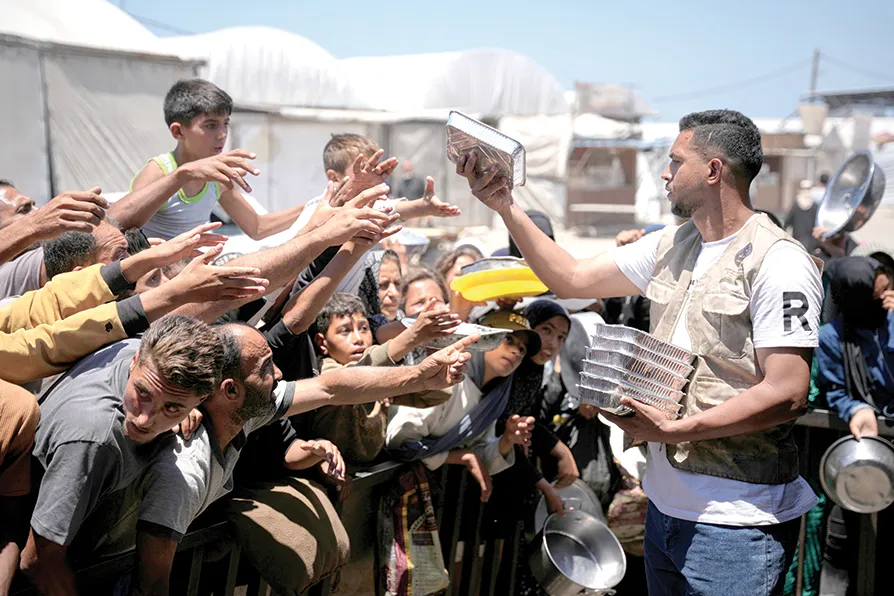
While international attention focuses on ceasefire frameworks, Israel is openly advancing plans for a permanent expansion of its control over Gaza, writes RAMZY BAROUD
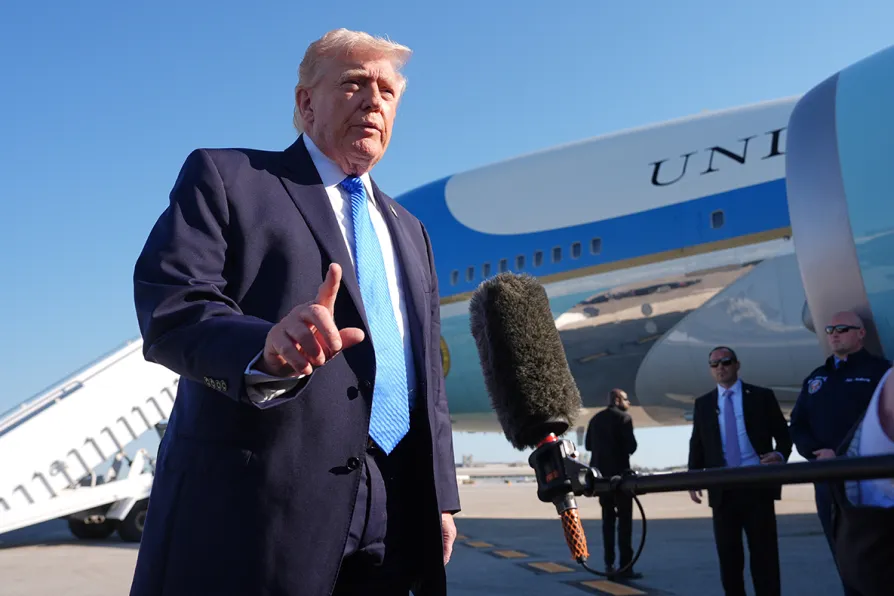
RAMZY BAROUD and ROMANA RUBEO analyse how the US has consistently negotiated in bad faith to secure the element of surprise in military attack
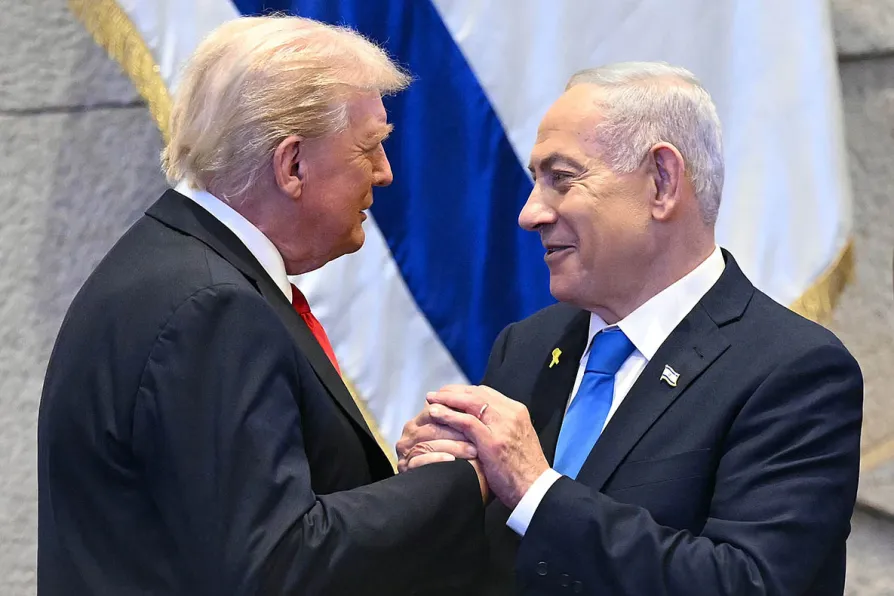
Israel and the US talk as if they’ve won a victory, but the reality is that world opinion has turned decisively against the Israeli regime, says RAMZY BAROUD

Israel’s genocide in Palestine and wars against its neighbours would be impossible without constant Western support — so we must amplify the brave voices demanding a halt, argues DR RAMZY BAROUD