All the evidence shows voters want Labour to shift to the left — but initial signs from Andy Burnham are worrying on that front, cautions DIANE ABBOTT


 Latest editorial
British war-hawks’ new flirtation with Taiwan is bad news
KENNY COYLE explains that the recent British-Taiwanese all-party parliamentary group visit to the contested island is part of a drive to get involved in a conflict Britain had the good sense to abandon in the 1970s
 Taiwan's President Tsai Ing-wen speaks by phone with the Czech Republic's President-elect Petr Pavel in Taipei, Taiwan, January 30, 2023

ANDY McDONALD MP says Labour must show it is capable of delivering real improvements in people’s lives — bold action is required
ANGUS REID and ANDREW JOHNSTONE report on an initiative that we must take this summer
ALLISON FEWTRELL on what Plaid Cymru's historic election victory means for the communities being failed by Wales’s housing crisis, and four things the new government can do right now
France Insoumise MP JEROME LEGAVRE speaks to Christophe Domec on building the Europe-wide peace movement that came together in the International Conference Against War last weekend
At last weekend’s International Conference Against War, LINDA PENTZ GUNTER talks to the Palestinian physician and politician about the struggles ahead to achieve a truly free Palestine





IN British colonial days, there was a derogatory term in banking circles to refer to stock traders and dealers who left the City of London and migrated to Britain’s lucrative imperial possession in China: the acronym used was “Filth” — Failed in London Try Hong Kong.
With their allies in Hong Kong hamstrung by the belated introduction of the National Security Law, which has uprooted US- and British-sponsored political groups, a British-Taiwanese all-party parliamentary group delegation led by Tory MP Bob Stewart, but also including Labour MPs, has recently visited Taiwan.
“Failed in Hong Kong try Taiwan” doesn’t make for an easy acronym but it sums up the strategy of British imperialism about China today.

Similar stories
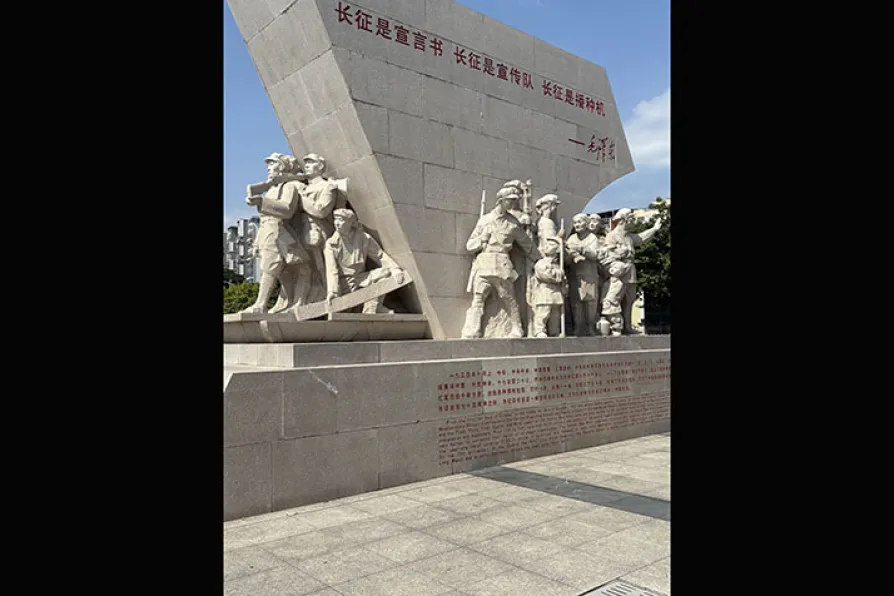
STEPHEN BELL reports from a delegation that traced the steps of China’s socialist revolution from its first modest meetings to the Red Army’s epic 9,000km battle to create the modern nation that today defies every capitalist assumption
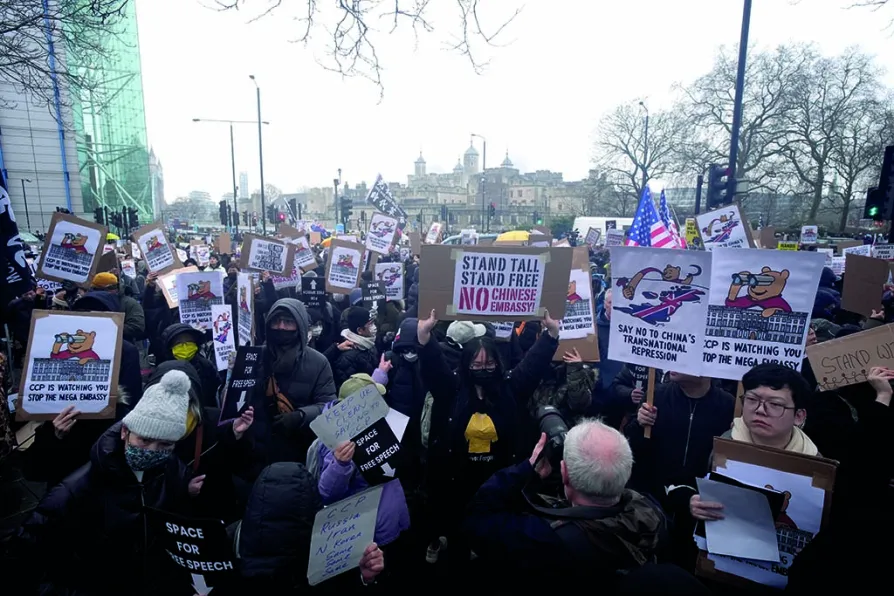
From anonymous surveys claiming Chinese students are spying on each other to a meltdown about the size of China’s London embassy, the evidence is everywhere that Britain is embracing full spectrum Sinophobia as the war clouds gather, writes CARLOS MARTINEZ

From 35,000 troops in Talisman Sabre war games to HMS Spey provocations in the Taiwan Strait, Labour continues Tory militarisation — all while claiming to uphold ‘one China’ diplomatic agreements from 1972, reports KENNY COYLE
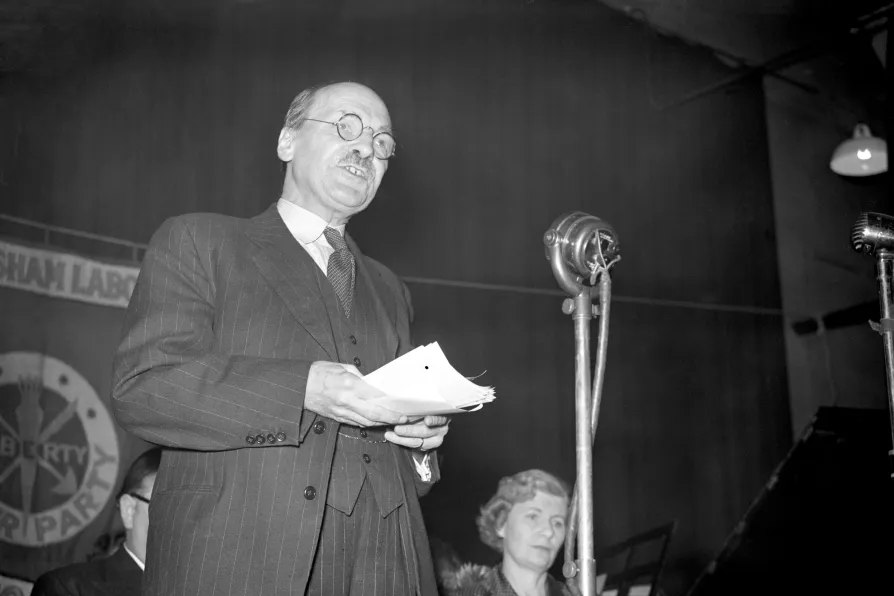
The summer of 1950 saw Labour abandon further nationalisation while escalating Korean War spending from £2.3m to £4.7m, as the government meekly accepted capitalism’s licence and became Washington’s yes-man, writes JOHN ELLISON