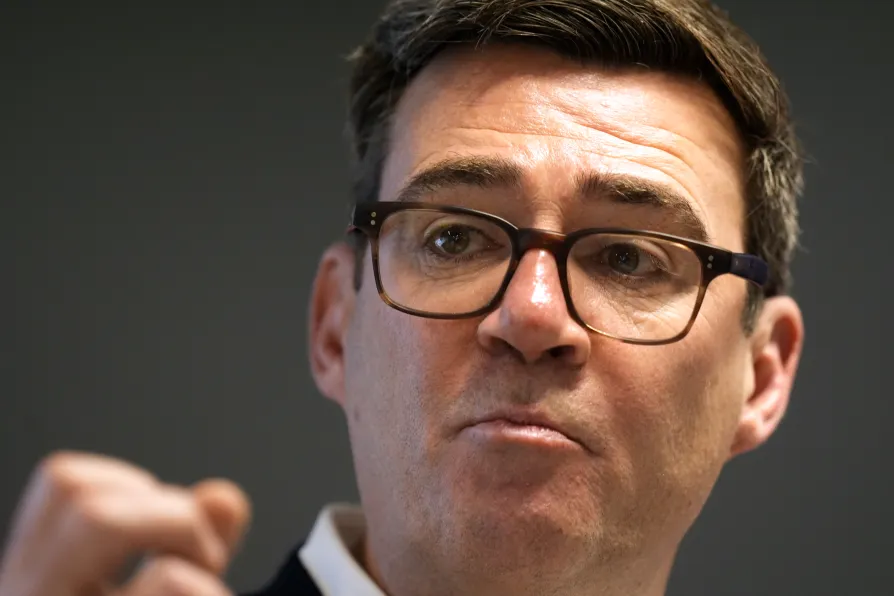
All the evidence shows voters want Labour to shift to the left — but initial signs from Andy Burnham are worrying on that front, cautions DIANE ABBOTT


 Latest editorial
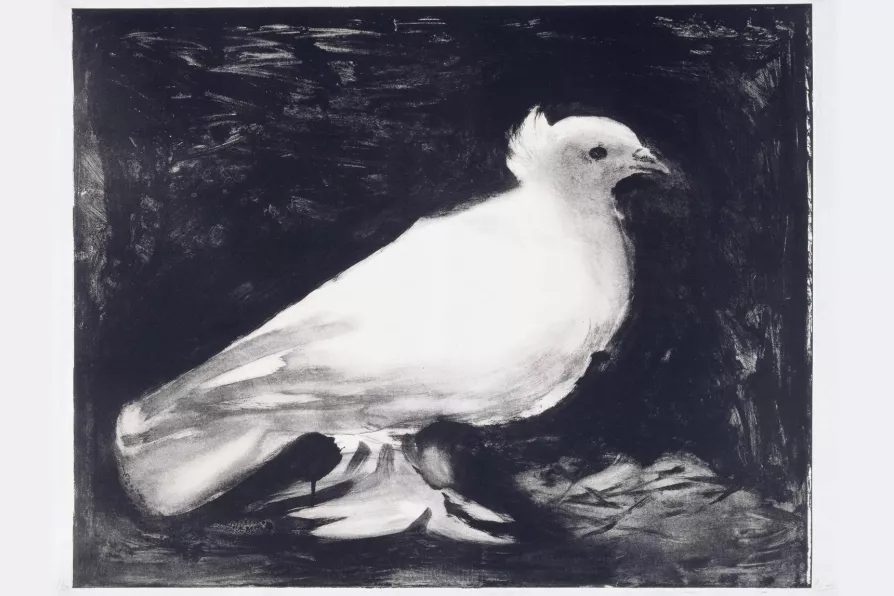
70 years of the World Peace Council
LIZ PAYNE pays tribute to the WPC and its struggle against imperialist aggression as it enters its eighth decade this weekend
ANDY McDONALD MP says Labour must show it is capable of delivering real improvements in people’s lives — bold action is required
ANGUS REID and ANDREW JOHNSTONE report on an initiative that we must take this summer
ALLISON FEWTRELL on what Plaid Cymru's historic election victory means for the communities being failed by Wales’s housing crisis, and four things the new government can do right now
France Insoumise MP JEROME LEGAVRE speaks to Christophe Domec on building the Europe-wide peace movement that came together in the International Conference Against War last weekend
At last weekend’s International Conference Against War, LINDA PENTZ GUNTER talks to the Palestinian physician and politician about the struggles ahead to achieve a truly free Palestine





THIS weekend, the World Peace Council (WPC) is marking the 70th anniversary of its foundation and seven decades as an international mass organisation of struggle against imperialism and war and for peace and justice, in solidarity with all peace-loving people of the world.
At a recent meeting of its secretariat in Belgrade, WPC president Socorro Gomes said: “I would like to celebrate with you the long and brave path of our peace organisation, with its history of struggle and resistance … [It] remains committed to building ever more bridges, today and tomorrow, for the unity of the anti-imperialist, democratic and peace forces against oppression, colonialism, wars and domination.”
From April 20-24 1949 at the Salle Pleyel in Paris, 2,000 delegates from 75 countries gathered for the first World Congress of Partisans for Peace, which was shortly to be renamed the WPC.

Similar stories
Statement of the World Peace Council
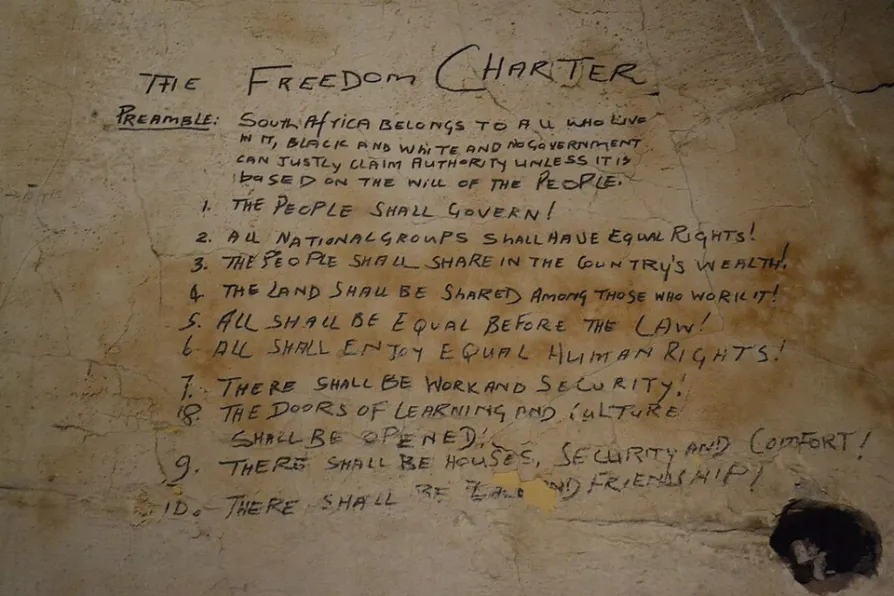
The charter emerged from a profoundly democratic process where people across South Africa answered ‘What kind of country do we want?’ — but imperial backlash and neoliberal compromise deferred its deepest transformations, argues RONNIE KASRILS
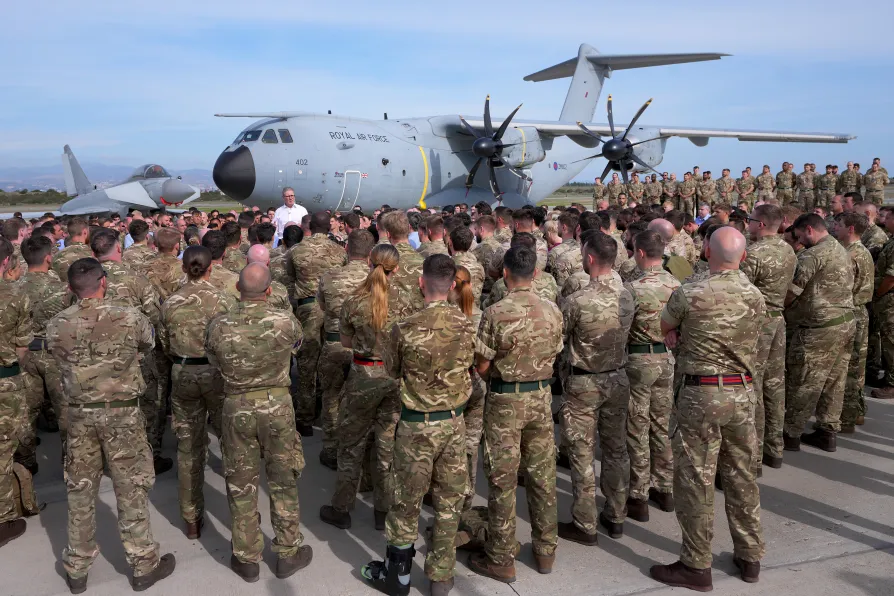
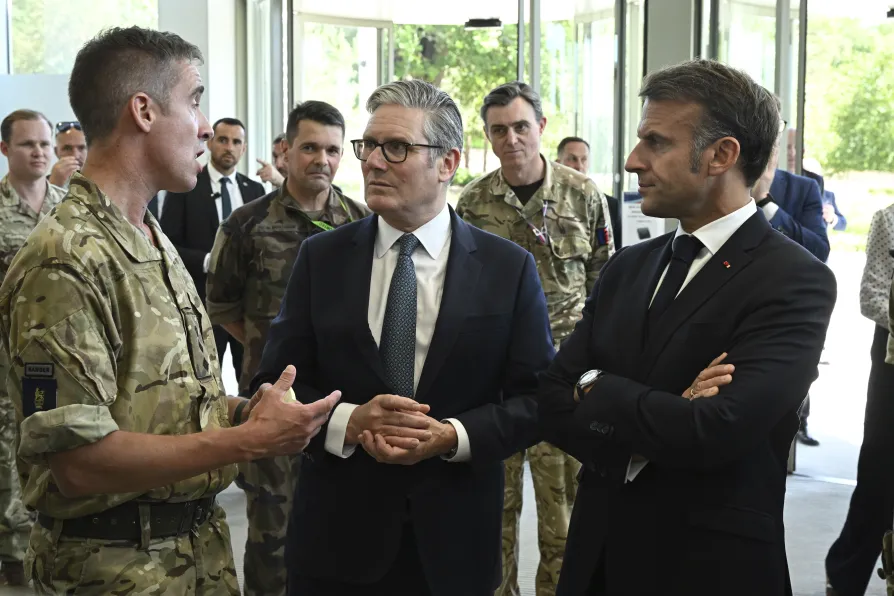
From nuclear bomb storage in the 1950s to surveillance flights over Gaza today, the Cyprus base has enabled seven decades of machinations so heinous that Starmer once blurted out ‘we can’t tell the world’ what goes on there, writes NUVPREET KALRA