All the evidence shows voters want Labour to shift to the left — but initial signs from Andy Burnham are worrying on that front, cautions DIANE ABBOTT


 Latest editorial
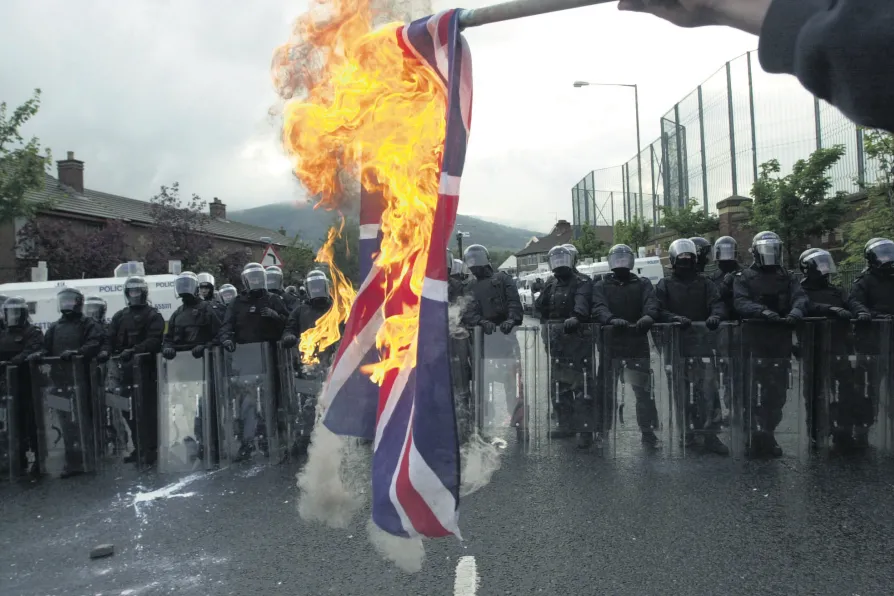
50 years since the troops went in to the North of Ireland
The terrible decision to send the British Army to quell tensions quickly lead to hundreds of deaths – but also acts of kindness and humanity, writes RICHARD RUDKIN

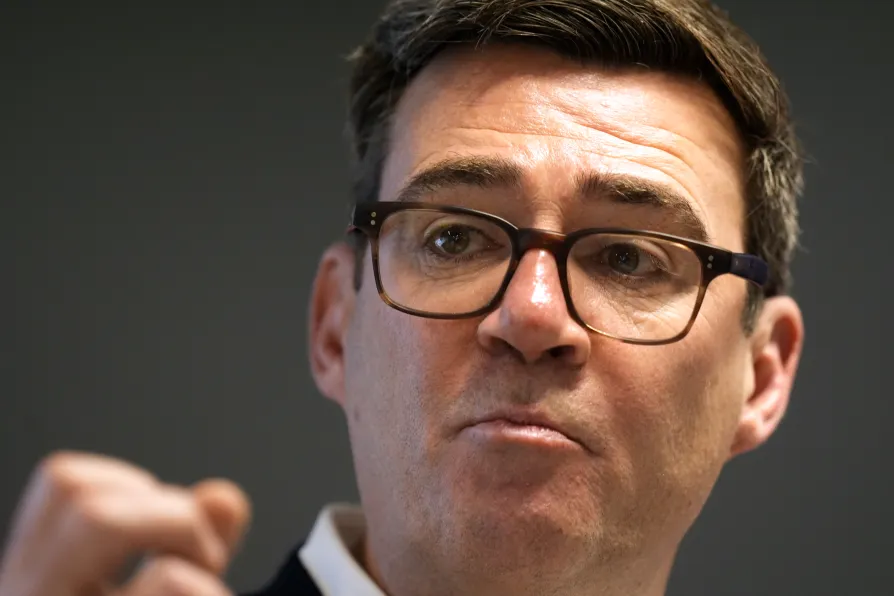
ANDY McDONALD MP says Labour must show it is capable of delivering real improvements in people’s lives — bold action is required
ANGUS REID and ANDREW JOHNSTONE report on an initiative that we must take this summer
ALLISON FEWTRELL on what Plaid Cymru's historic election victory means for the communities being failed by Wales’s housing crisis, and four things the new government can do right now
France Insoumise MP JEROME LEGAVRE speaks to Christophe Domec on building the Europe-wide peace movement that came together in the International Conference Against War last weekend
At last weekend’s International Conference Against War, LINDA PENTZ GUNTER talks to the Palestinian physician and politician about the struggles ahead to achieve a truly free Palestine





“PERMISSION GRANTED.” Just two words scribbled on a notepad by James Callaghan, home secretary in Harold Wilson’s Labour government on the August 14, 1969, in answer to a request to deploy British troops in the North of Ireland, set in motion an operation that lasted four decades.
Wilson’s government wasted no time in pushing ahead with reforms. The publication of a report by Lord Hunt sparked violence when the recommendations included disarming the RUC (Royal Ulster Constabulary) and abolishing the B-specials.
Ironically, it was during a riot in support of the RUC that Constable Victor Arbuckle became the first police officer to die in the Troubles, shot by a loyalist gunman.
A change of government from Labour to Edward Heath’s Conservatives in June 1970 brought with it a change in how the British army operated. Between July 3 and 5, 20,000 residents in West Belfast were locked down on curfew. Floorboards were ripped up, rooms ransacked and reports of residents being subjected to unjustified violence while British soldiers and RUC officers searched for IRA weapons.

Similar stories
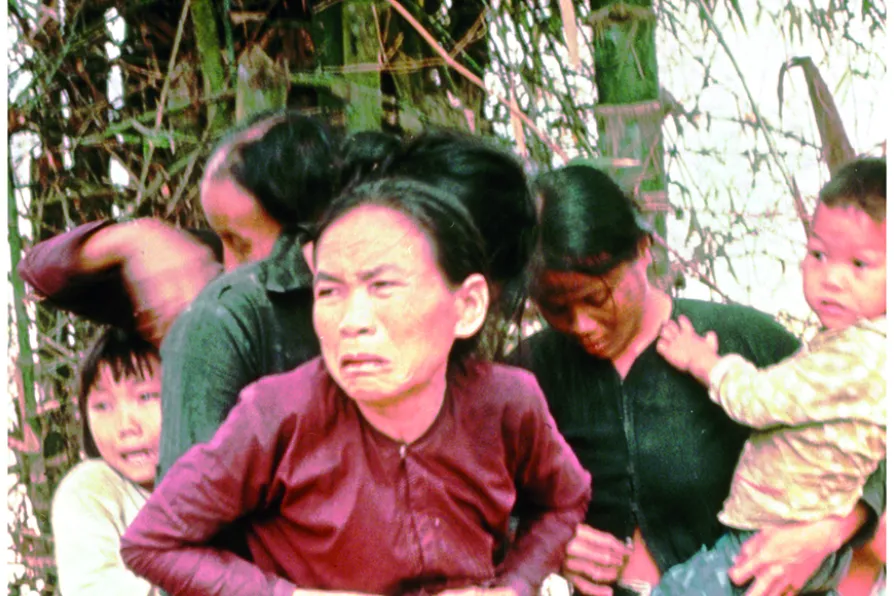
PATRICK CHURA reflects on the mass murder of civilians in wartime and his own visit, 10 years ago, to My Lai where US soldiers slaughtered over 500 men, women, children and infants
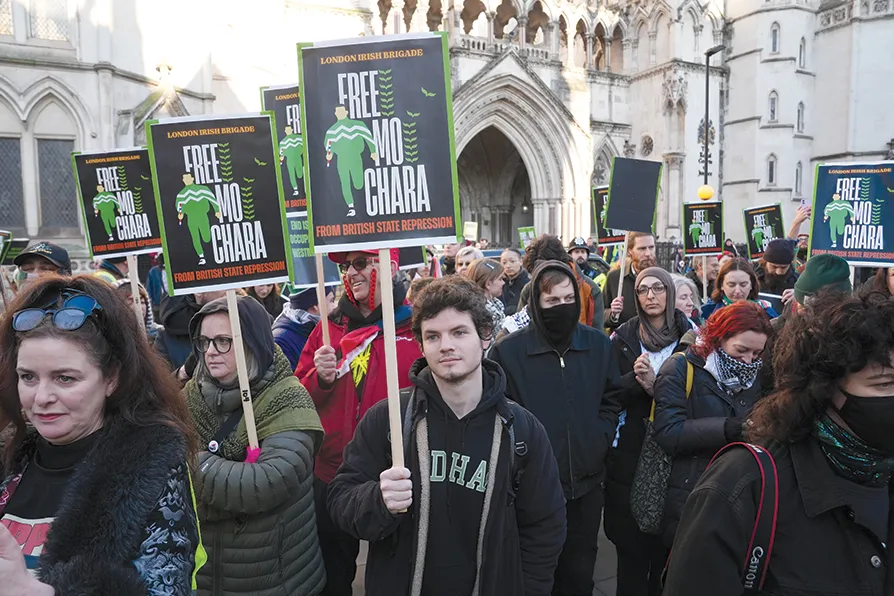
AARON SMITH discusses why the Protestant diaspora are still part of Yeats’s ‘Indomitable Irishry’, and an integral part of any future united Ireland.
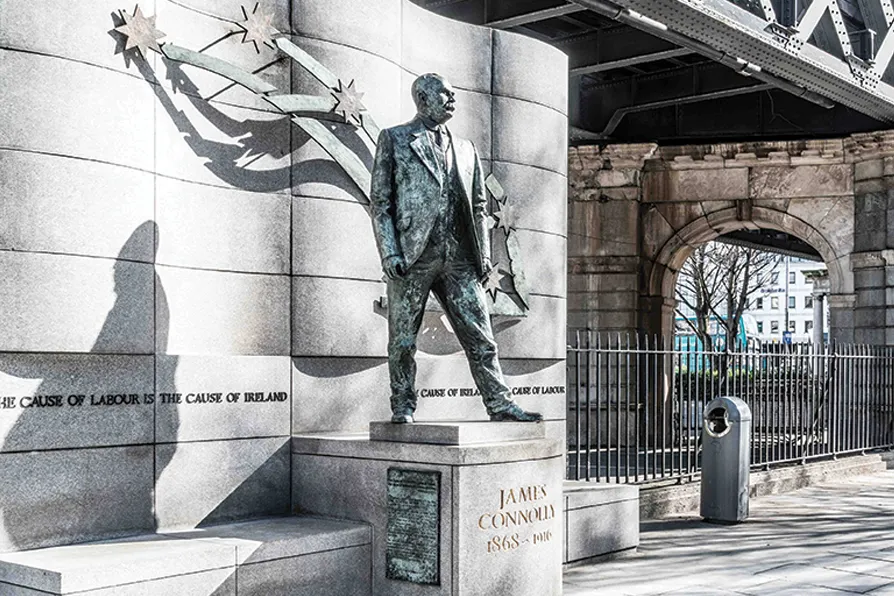
A new group within the NEU is preparing the labour movement for a conversation on Irish unity by arguing that true liberation must be rooted in working-class solidarity and anti-sectarianism, writes ROBERT POOLE
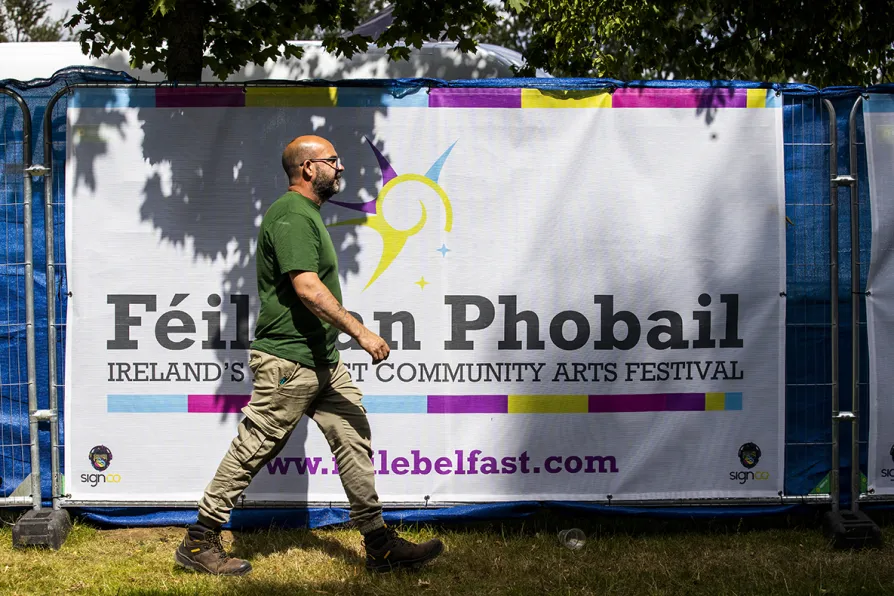
Why not pay a visit to Feile an Phobail, a people’s festival of community arts with roots in the days of internment without trial, and where the spirit of solidarity remains undimmed, says LYNDA WALKER