All the evidence shows voters want Labour to shift to the left — but initial signs from Andy Burnham are worrying on that front, cautions DIANE ABBOTT


 Latest editorial
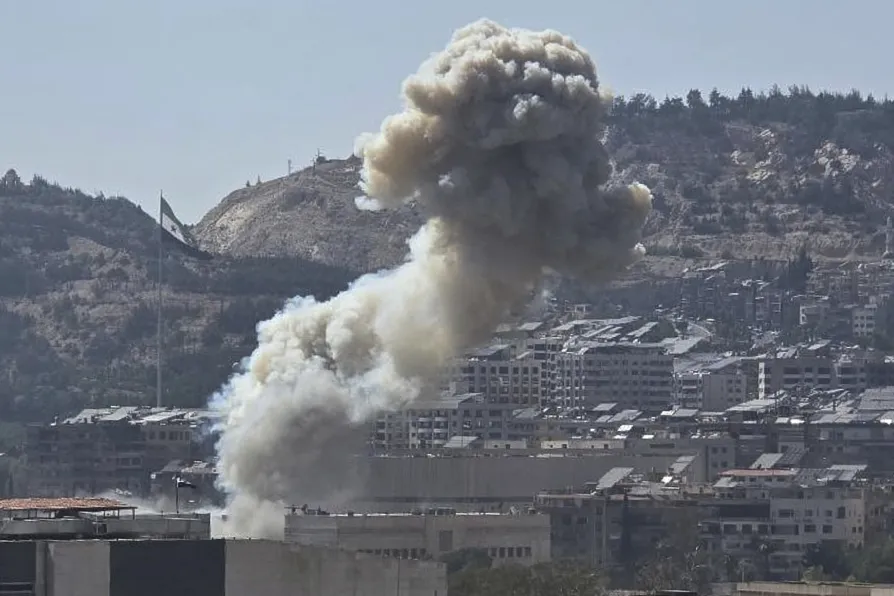
10 points on the fall of Bashar al-Assad’s Syria
VIJAY PRASHAD reflects on the latest developments in Syria and what they mean for the Middle East
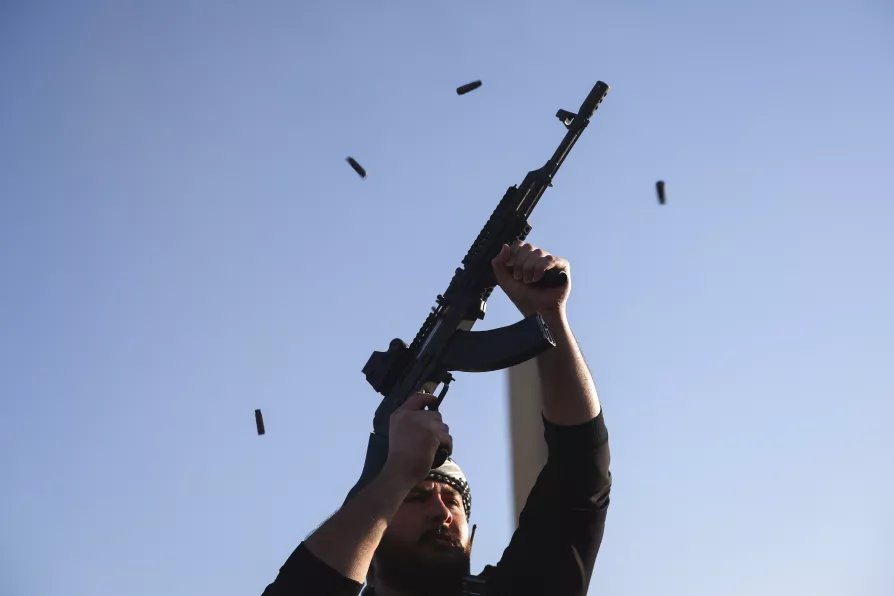 An opposition fighter fires his AK-47 in the air in celebration after opposition forces took control of the city in Damascus, Syria
ANDY McDONALD MP says Labour must show it is capable of delivering real improvements in people’s lives — bold action is required
ANGUS REID and ANDREW JOHNSTONE report on an initiative that we must take this summer
ALLISON FEWTRELL on what Plaid Cymru's historic election victory means for the communities being failed by Wales’s housing crisis, and four things the new government can do right now
France Insoumise MP JEROME LEGAVRE speaks to Christophe Domec on building the Europe-wide peace movement that came together in the International Conference Against War last weekend
At last weekend’s International Conference Against War, LINDA PENTZ GUNTER talks to the Palestinian physician and politician about the struggles ahead to achieve a truly free Palestine





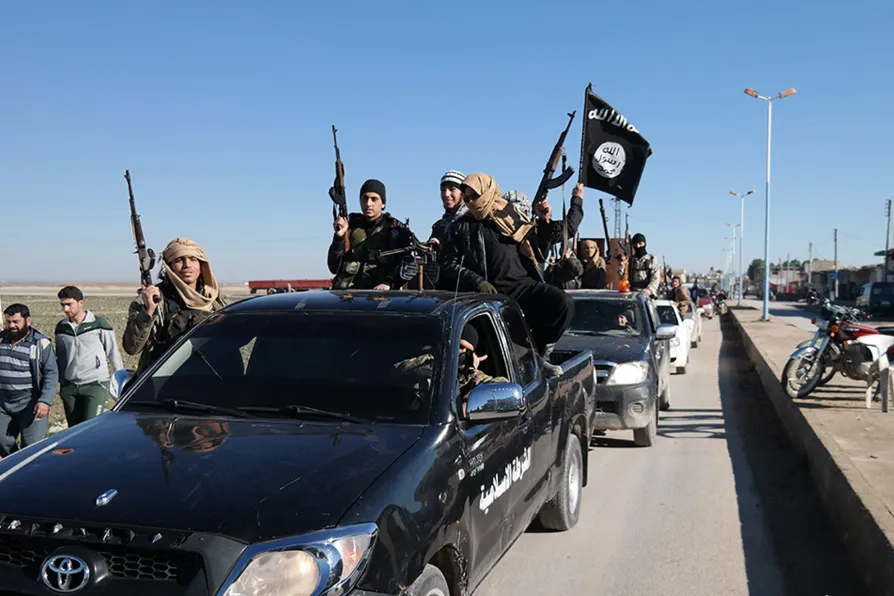
ON SUNDAY, December 8, after over a week of intense fighting between the Syrian government and the terrorist group Hay’at Tahrir al-Sham (HTS) and its allied factions, who gained control over key cities in the country, Syrian President Bashar al-Assad fled Syria.
The news was announced by the Russian Foreign Ministry, which also reported that with his resignation, Assad instructed his prime minister to stay in charge of the state to oversee a peaceful transition of power to opposition forces.
The development happens 14 months into Israel’s genocide in Gaza, and weeks after signing a ceasefire agreement with Hezbollah. Below are reflections from Vijay Prashad regarding the takeover and key elements to understand it.

Similar stories
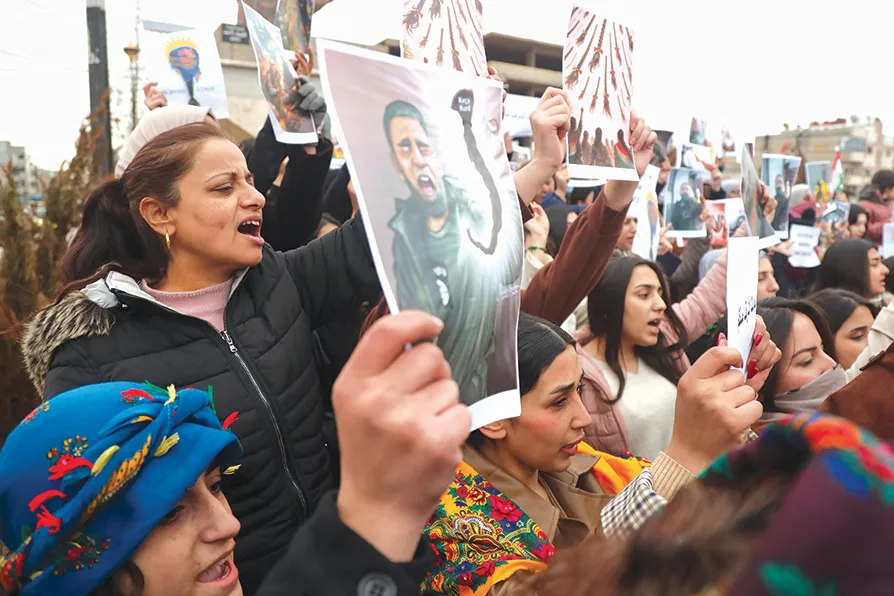
VIJAY PRASHAD details how US support for Syrian President Ahmad al-Sharaa allowed him to break the resistance of the autonomous Syrian Democratic Forces (SDF)
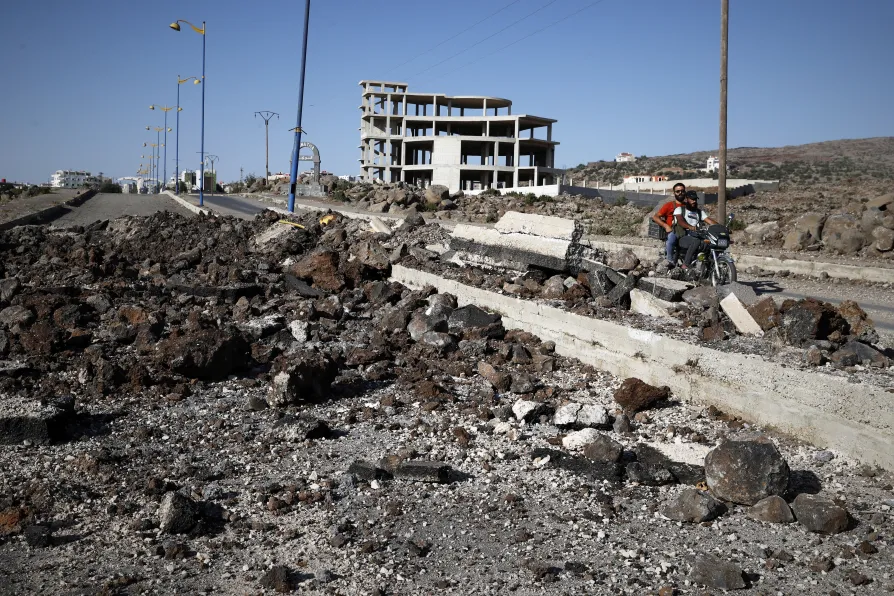
VIJAY PRASHAD looks at the web of militias and drug-trafficking gangs that emerged in the Sweida region through the Syrian civil war, and how they relate to recent clashes and Israel’s intervention