To rescue Kahlo from the clutches of the corporate art market, we need to acknowledge the overt and covert political dimensions of the work, demands GAVIN O’TOOLE


 Latest editorial
The divided self
KEN COCKBURN appreciates a minimal, and atmospheric one-man version of Stevenson’s classic shocker
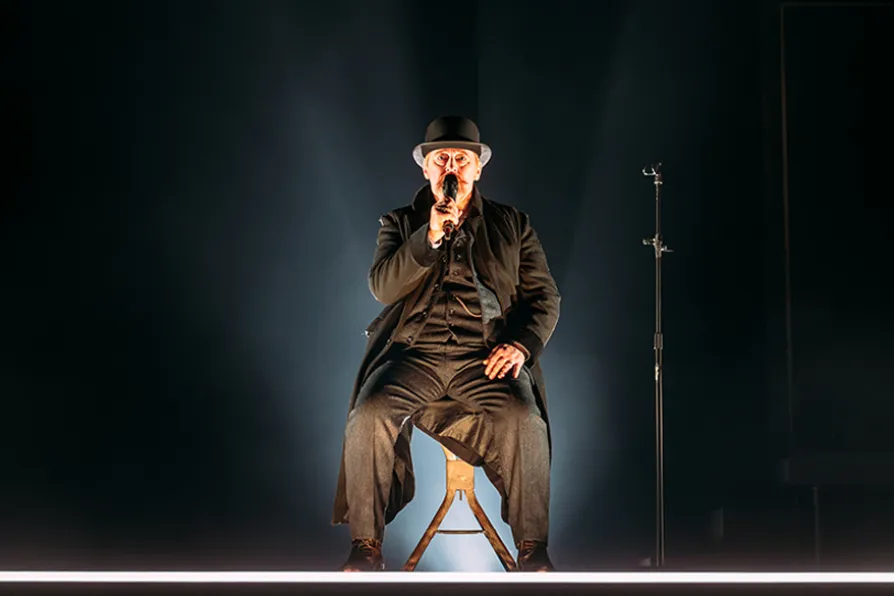 VIRTUOSO: Forbes Masson plays all the parts in Jekyll and Hyde at the Royal Lyceum, Edinburgh
[Mihaela Bodlovic]
VIRTUOSO: Forbes Masson plays all the parts in Jekyll and Hyde at the Royal Lyceum, Edinburgh
[Mihaela Bodlovic]
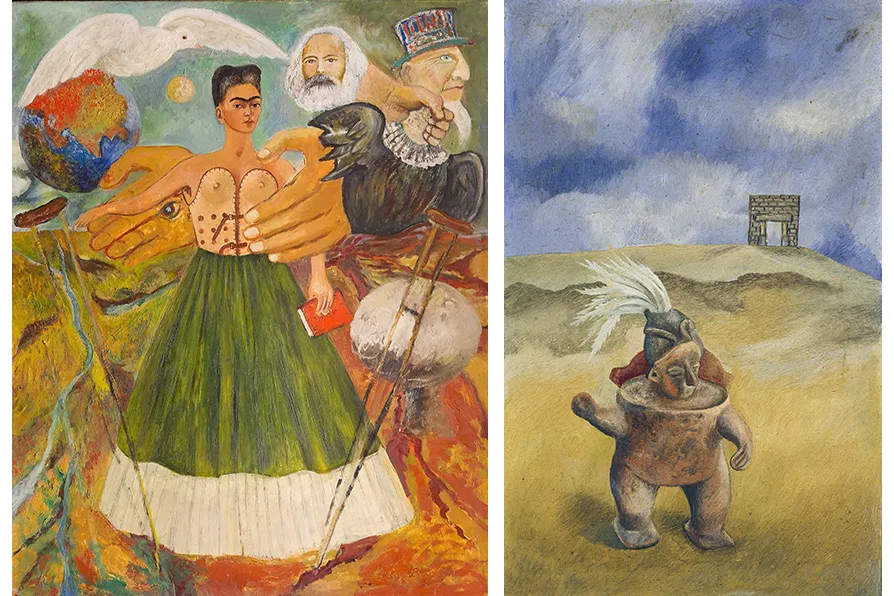
If you can see past the relentless commodification you will be rewarded by enormously powerful work, suggests JENNY MITCHELL
CHRIS SEARLE revels in the one-off collaboration between an American polymath and a British Muslim, and detects the presence of their revolutionary forebear
GORDON PARSONS revels in an ebullient production of Shakespeare’s magical comedy
BRENT CUTLER welcomes a thoughtful analysis of the Erdogan regime, viewed through the evolving history of a neighbourhood in Istanbul
GORDON PARSONS regrets the price, but is dazzled by an outstandingly ambitious study of the way art restoration in particular, and culture in general was weaponised by the Nazis





Jekyll and Hyde
Royal Lyceum Theatre, Edinburgh
FORBES MASSON stars in this one-person play adapted by Gary McNair from Robert Louis Stevenson’s classic Gothic novella, and directed by Michael Fentiman. As in the original, the “strange case” is narrated by Mr Utterson, a lawyer and friend of Henry Jeykll, who encounters Edward Hyde first by hearsay and then directly, before gradually coming to understand the truth of their connection.
The set and lighting design by Max Jones and Richard Howell are simple and unfussy but strikingly effective: three rectangles of white light against an almost empty black stage. The largest frames the “fourth wall” through which we see the stage, the second outlines a small raised platform on which almost all of the action takes place, while the third and smallest stands upstage and represents the door through which Hyde emerges and retreats.
The simple play of light and darkness — enhanced by Richard Hammerton’s soundscape — creates moments of shock, and there is an eerie effect near the end when Utterson finally approaches the door. Against its brightness, and with a soft spotlight fading up and down, his figure seems to transform and distort.

Similar stories
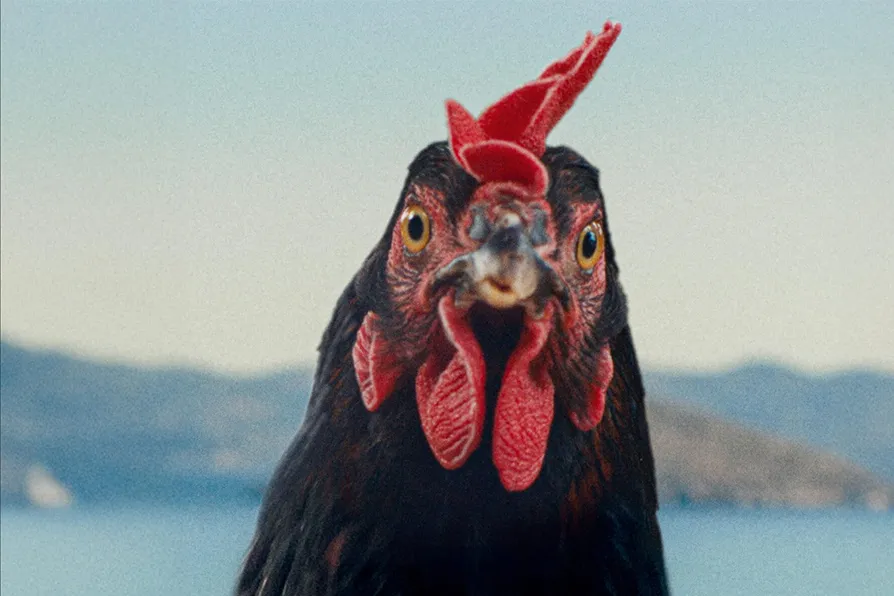
ANDY HEDGECOCK is astonished by a portrait of contemporary Greece, complete with political protest, organised crime and people trafficking, told from the point of view of — wait for it — runaway poultry
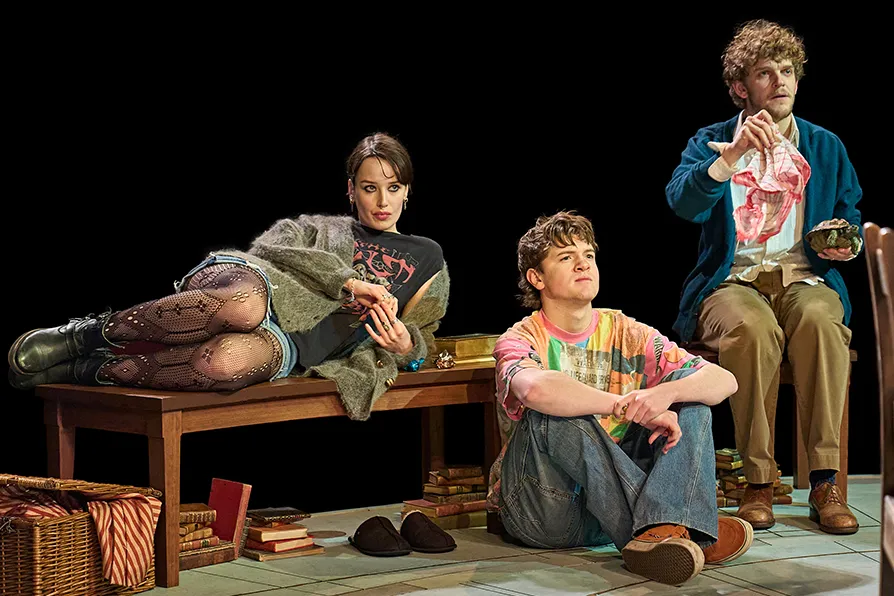
MARY CONWAY becomes impatient with the intellectual self-indulgence of Tom Stoppard in a production that is, nevertheless, total class
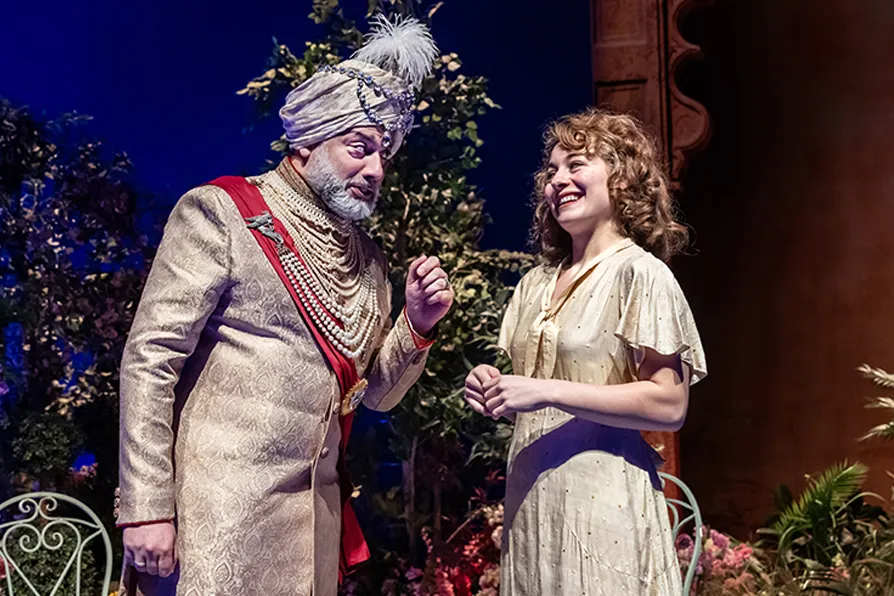
Although this production was in rehearsal before the playwright’s death, it allows us to pay homage to his life, suggests MARY CONWAY
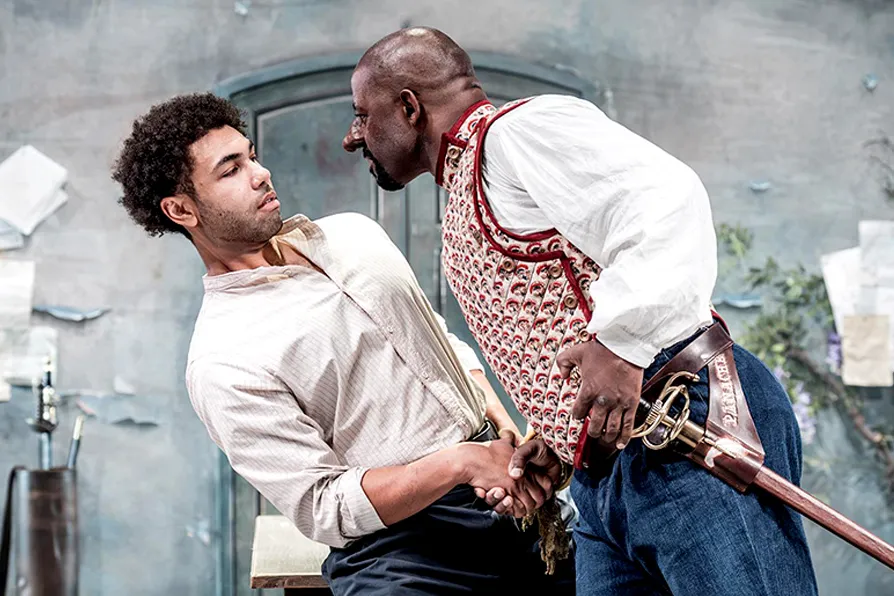
GORDON PARSONS is blown away by a superb production of Rostand’s comedy of verbal panache and swordmanship