All the evidence shows voters want Labour to shift to the left — but initial signs from Andy Burnham are worrying on that front, cautions DIANE ABBOTT


 Latest editorial
Dear World: this is what Palestinian unity looks like
As Gazans return to the ruins of their homes, their chants and songs and moving spirit of defiance point the way to a new Palestinian future, by and of the people, writes RAMZY BAROUD
 MOVING SCENES: Displaced Palestinians return to their homes in the northern Gaza Strip yesterday

ANDY McDONALD MP says Labour must show it is capable of delivering real improvements in people’s lives — bold action is required
ANGUS REID and ANDREW JOHNSTONE report on an initiative that we must take this summer
ALLISON FEWTRELL on what Plaid Cymru's historic election victory means for the communities being failed by Wales’s housing crisis, and four things the new government can do right now
France Insoumise MP JEROME LEGAVRE speaks to Christophe Domec on building the Europe-wide peace movement that came together in the International Conference Against War last weekend
At last weekend’s International Conference Against War, LINDA PENTZ GUNTER talks to the Palestinian physician and politician about the struggles ahead to achieve a truly free Palestine





EVEN those of us who have long emphasised the importance of the Palestinian people’s voice, experience and collective action in Palestinian history must have been shocked by the cultural revolution resulting from the Israeli war on Gaza.
By cultural revolution, I mean the defiant and rebellious narrative evolving in Gaza, where people see themselves as active participants in the popular resistance, not just mere victims of the Israeli war machine.
When the ceasefire was announced on the 471st day of the Israeli genocide, Gazans rushed to the streets in celebration. Media outlets reported that they were celebrating the ceasefire, but judging by their chants, songs and symbolisms, they were celebrating their collective victory, steadfastness (sumud), and resilience against the powerful Israeli army, supported by the US and other Western countries.

Similar stories

RAMZY BAROUD and ROMANA RUBEO analyse how the US has consistently negotiated in bad faith to secure the element of surprise in military attack
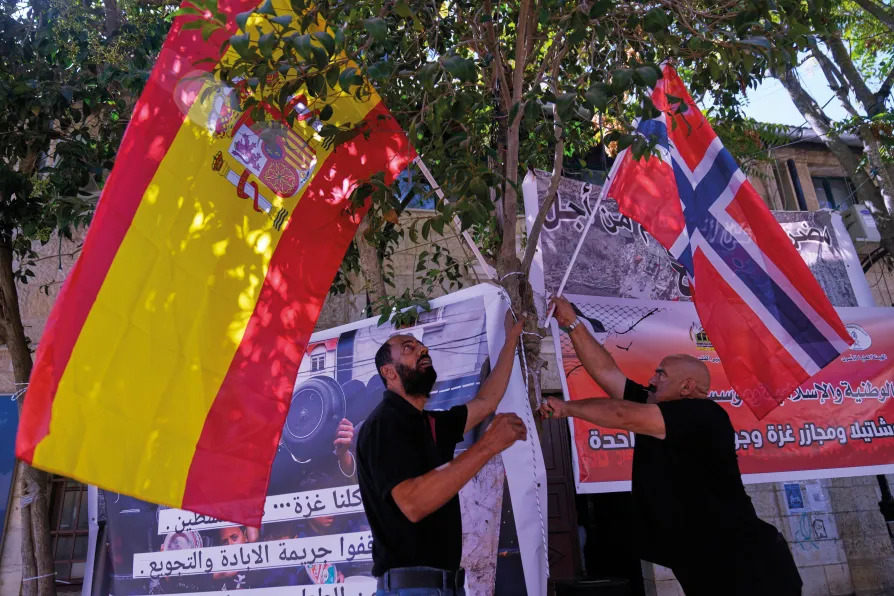
Spain has joined South Africa’s ICJ genocide case against Israel while imposing weapons bans and port restrictions, moves partly driven by trade unions — proving just how effectively civil society can reshape government policy, writes RAMZY BAROUD
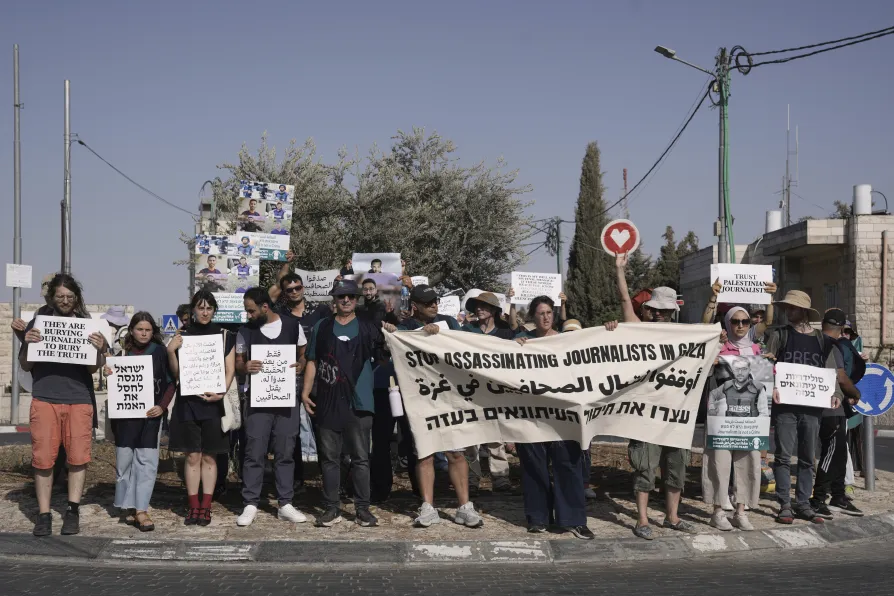
With foreign media banned from Gaza, Palestinians themselves have reversed most of zionism’s century-long propaganda gains in just two years — this is why Israel has killed 270 journalists since October 2023, explains RAMZY BAROUD
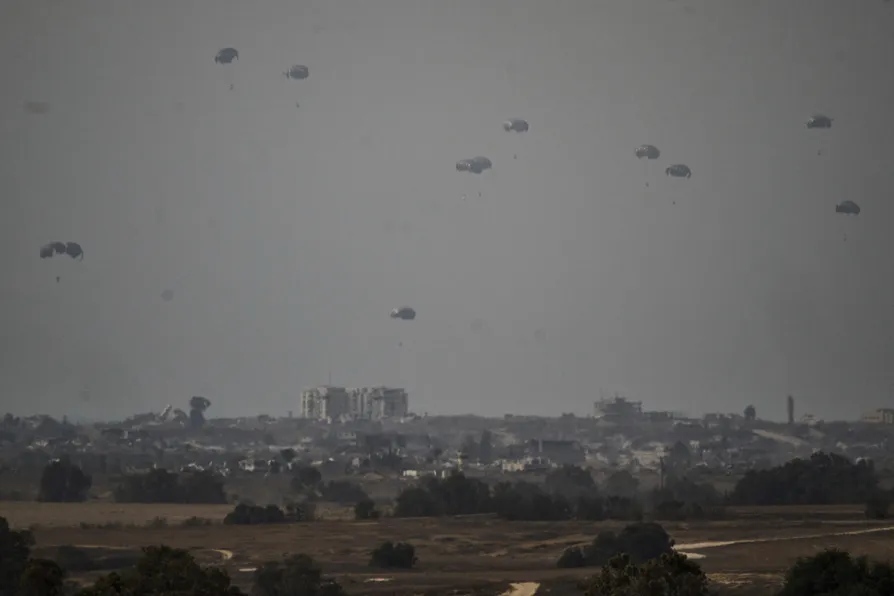
Gaza’s collective sumud has proven more powerful than one of the world’s best-equipped militaries, but the change in international attitudes isn’t happening fast enough to save a starving population from Western-backed genocide, argues RAMZY BAROUD