All the evidence shows voters want Labour to shift to the left — but initial signs from Andy Burnham are worrying on that front, cautions DIANE ABBOTT


 Latest editorial
Error message
An error occurred while searching, try again later.Court acquittal ends attempt to silence union leader
Mehmet Turkmen, president of Birtek-Sen, has been cleared of criminal charges after speaking out against the high rate of workplace injuries and deaths in Gaziantep’s textile and carpet industry. OZLEM TEMENA reports
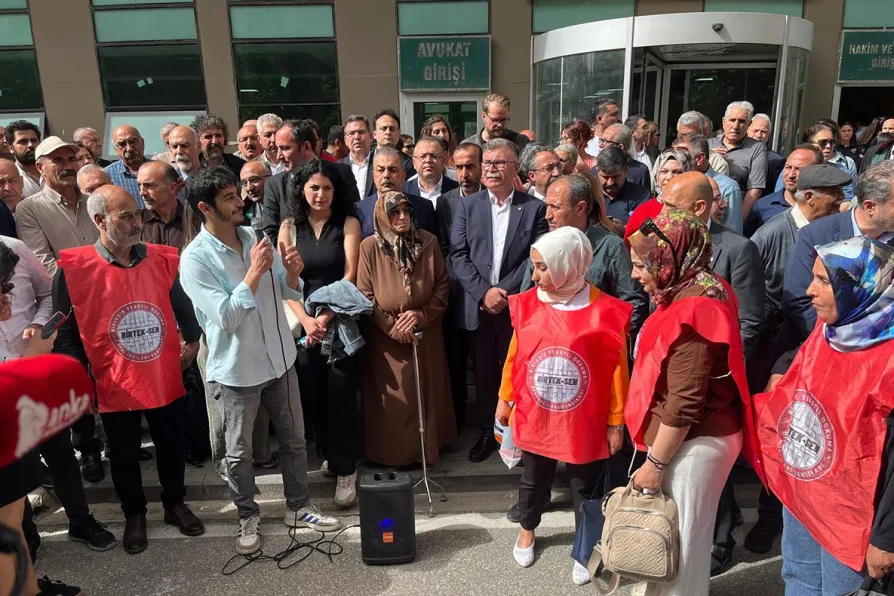 Birtek-Sen members and supporters gather outside the trial in solidarity and to demand Mehmet Turkmen’s release, May 12, 2026 [Pic: Arif Bektas]
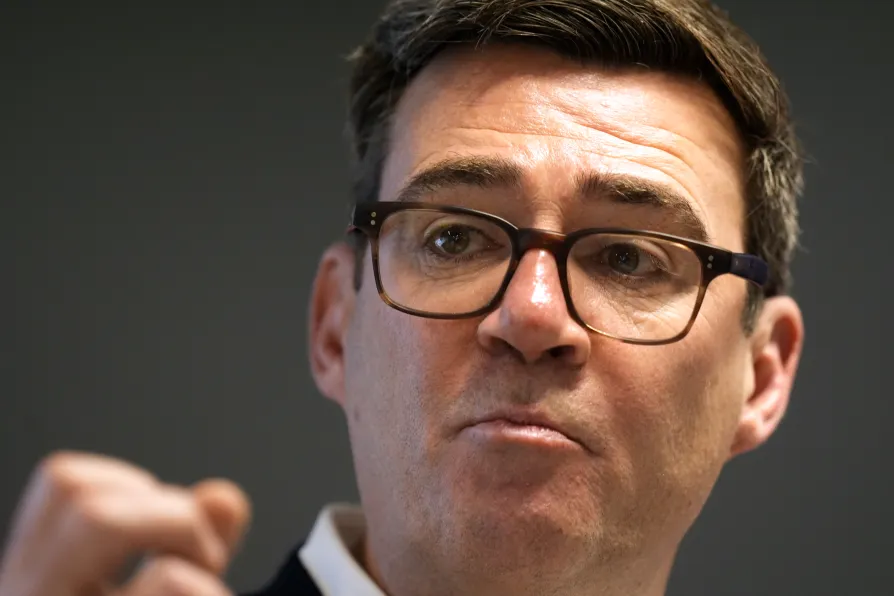
ANDY McDONALD MP says Labour must show it is capable of delivering real improvements in people’s lives — bold action is required
ANGUS REID and ANDREW JOHNSTONE report on an initiative that we must take this summer
ALLISON FEWTRELL on what Plaid Cymru's historic election victory means for the communities being failed by Wales’s housing crisis, and four things the new government can do right now
France Insoumise MP JEROME LEGAVRE speaks to Christophe Domec on building the Europe-wide peace movement that came together in the International Conference Against War last weekend
At last weekend’s International Conference Against War, LINDA PENTZ GUNTER talks to the Palestinian physician and politician about the struggles ahead to achieve a truly free Palestine





A TURKISH trade union leader who faced trial for speaking out about amputations in Gaziantep’s textile and carpet factories has been acquitted from court. His union said the case was not a criminal matter — it is a violation of workers’ right to organise.
Mehmet Turkmen, general president of Birtek-Sen — the United Textile, Weaving and Leather Workers’ Union — was arrested on March 17 2026. He had spoken publicly about workplace injuries in one of Turkey’s largest export hubs. The union says his prosecution is not a legal matter but a wider effort to silence workers who name the human cost of production in Gaziantep in south-central Turkey.
Data compiled by the ISIG Meclisi (Workers’ Health and Work Safety Assembly) shows at least 555 workers have died on the job in Gaziantep over the past 13 years. The union says amputations in the textile sector are not accidents. They happen because bosses push workers harder than the machines can safely run. Most of those machines are decades old. Inspections are rare. Targets are not.
Mustafa Akkurt lost his right hand in a factory accident 10 years ago. He has not worked since. He struggles to pay the bills. Speaking to the Morning Star, Akkurt said he fell into a deep depression after the accident and never received any of the compensation he was owed.
“After the accident, my friends collected the pieces of my hand and buried them in a garden,” he said. The only person who stood by him over the years, he says, was Mehmet Turkmen, who explained to him what his rights were.
“I am not a tree,” Akkurt says. “I cannot grow back.” Ahead of the trial, he had a direct message for the authorities: “Mehmet must be released, so that no new accidents happen.”
Goods produced in Gaziantep are shipped regularly to retailers in Europe and the United States. That makes the city a target for a new generation of supply chain laws. Birtek-Sen argues that the production model driving those exports — built on profit pressure — runs against the European Union’s Corporate Sustainability Due Diligence Directive (CSDDD) and international labour standards.
The union has told international institutions that crushing trade union activity is itself a supply chain risk. Citing the United Nations Guiding Principles on Business and Human Rights, Birtek-Sen argues that “in due diligence processes, risk arises not only from violations themselves, but also from the suppression of those violations.”
Turkmen’s detention, the union says, was not incidental to Gaziantep’s workplace safety crisis. It makes the crisis worse.
The union has warned that without real change, Gaziantep risks being reclassified by international buyers and financiers as a high-risk sourcing region.
Such a designation could force brands to review their contracts, push financial institutions to reassess investments, and trigger heightened due diligence obligations under European and US law.
Turkmen’s acquittal in the trial, in which he was charged with publicly disseminating misleading information, will be welcomed by trade unionists and human rights defenders well beyond Gaziantep.