Charles Windsor challenged to declare full income as he becomes first monarch to release tax payments


 Latest editorial
Error message
An error occurred while searching, try again later.Children in overcrowded and damp homes miss three weeks more school
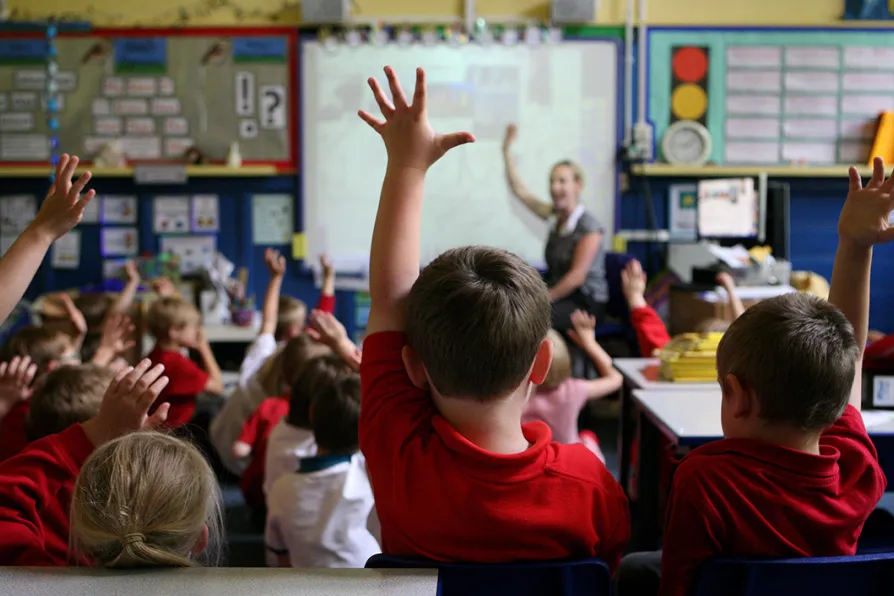






CHILDREN who live in overcrowded or damp homes miss three weeks more school than other pupils over the course of their education, a study has found.
Researchers at University College London (UCL) and City St George’s, University of London, found that pupils living in poor-quality housing were at greater risk of experiencing health problems, making them more likely to be absent from school.
Children in lower-quality homes were also found to perform worse in English and maths exams.
Pupils in the 7,000-participant study were classed as living in lower-quality housing if they experienced at least two problems, such as damp, overcrowding or a lack of central heating.
One in seven children covered by the study lived in damp homes, while one in eight lived in overcrowded conditions. Overall, around 16 per cent lived in lower-quality housing.
After considering factors such as parental income and education, researchers found that children who lived in poorer-quality housing at age seven missed an average of 15.5 more days of school between Years 1 and 11 than their peers.
They also scored between 2 and 5 per cent lower in primary and secondary tests.
Lead author Dr Gergo Baranyi, of the UCL centre for longitudinal studies, said: “Children living in overcrowded and damp homes tend to experience more health problems so are likely to miss more school and may find it difficult to catch up on their studies.
“In more overcrowded households, kids have less space to study … or there might be more disturbances at home, so they might have reduced concentration.
“Or … they may not be able to sleep that much because they have to share the room with other siblings.
“So all of these might come together to lower their focus and concentration on preparing for exams and school.”
Damp and overcrowded housing had the strongest link to higher school absence, while cold and overcrowded homes were more strongly associated with lower GCSE results.
Dr Baranyi and co-author Dr Sierra Clark said that mproving housing conditions could bring major benefits for children’s health and education, and help narrow longstanding inequalities.
The findings come as schools continue to face high absence levels.
Figures from the Department for Education show persistent absence remains above pre-pandemic levels, with pupils from disadvantaged backgrounds far more likely to miss school regularly.