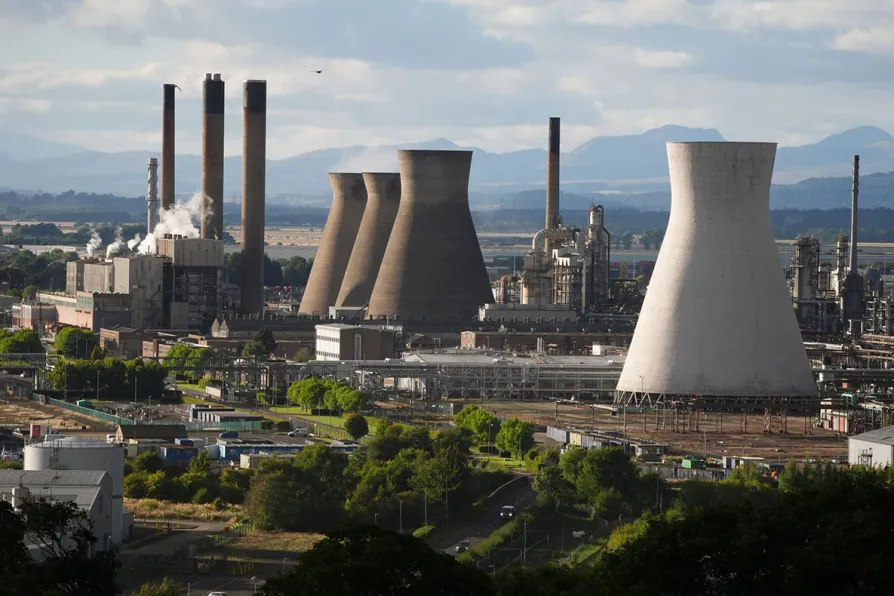
With attacks on industry, healthcare and education intensifying, JAMSHID AHMADI warns of a deliberate drive to cripple Iran and calls for urgent global action


 Latest editorial

Caught in a trap
VINCE MILLS looks at how UK Labour’s backpedalling on policy has left Scottish Labour with nothing to offer its own electorate
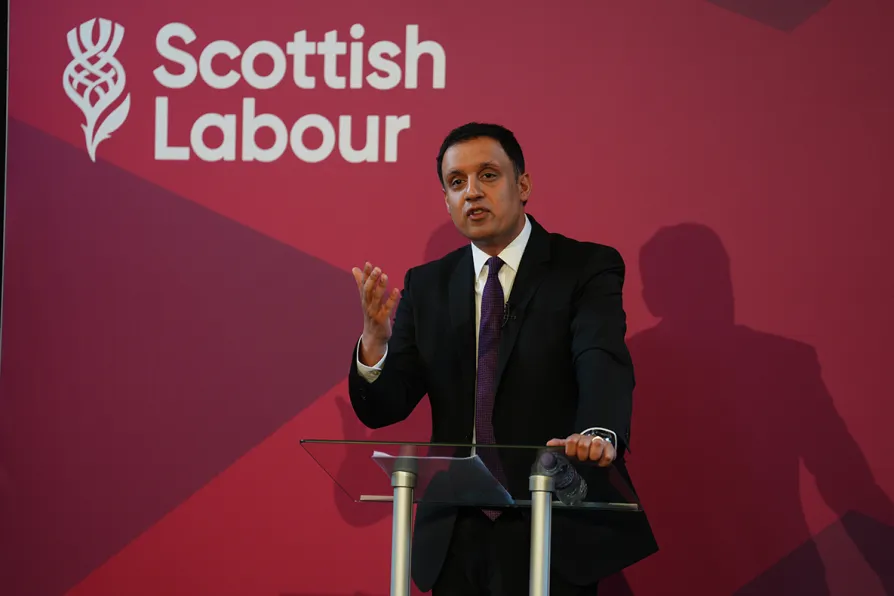
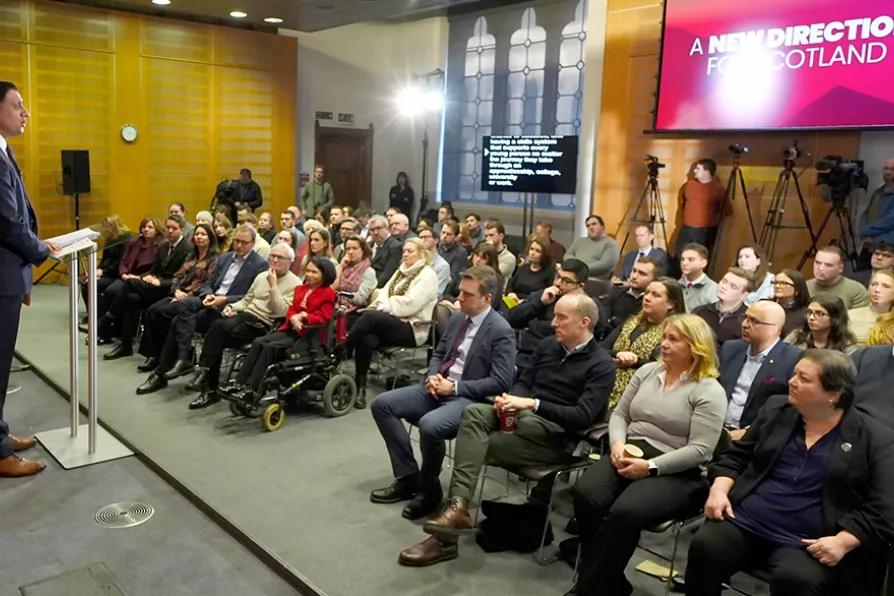 POURING FROM AN EMPTY CUP: Scottish Labour leader Anas Sarwar at The University of Glasgow calling for a new political direction in Scotland
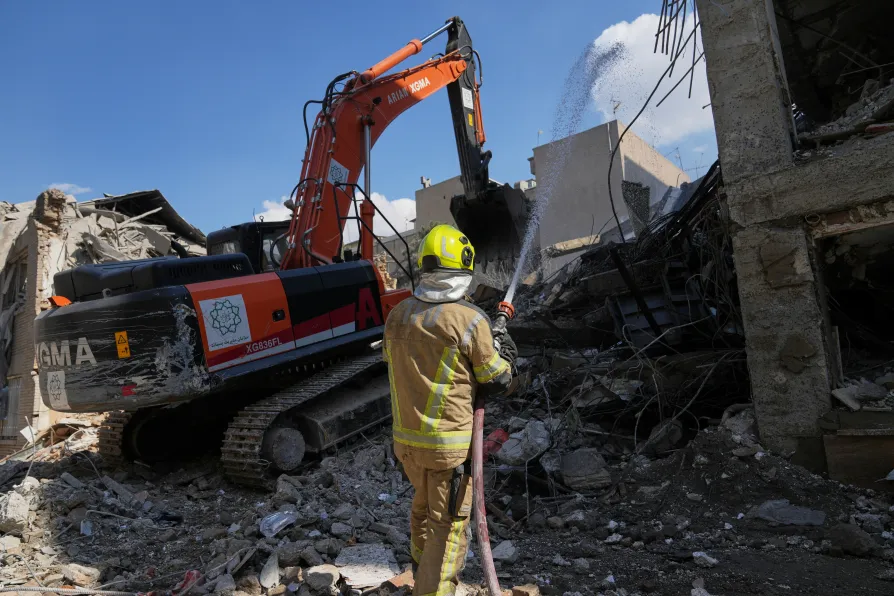
Argentinians commemorated the 50th anniversary of the military dictatorship that left 30,000 people killed or ‘disappeared.’ BERT SCHOUWENBURG reports
In Voices of Scotland YANA PETTICREW looks at the crippling deterioration of working-class art provision and support
As weapons return to Suffolk and defence spending soars, London CND is pressing local candidates to oppose nuclear expansion and support the UN ban treaty. SALLY SPIERS explains
One hundred years on from Britain’s only general strike, socialists will gather in London at the Morning Star’s annual conference to discuss how organised labour can once again become the engine of radical change. Editor BEN CHACKO encourages readers to come along and join the debate
In the year following Peterloo a mass strike erupted into armed revolt as Scotland’s workers demanded their rights, yet this uprising remains largely absent from popular history, writes KENNY MacASKILL





IT MUST have felt like a nightmare for Anas Sarwar last Sunday morning. The very week that the Scottish Labour Party is to meet and in effect launch its bid for power in the 2026 Scottish Parliament elections, the Sunday Times published a Norstat poll that would give Scottish Labour its worst result in the forthcoming elections since the inception of the Scottish parliament in 1999.
According to the poll, only 18 per cent of the Scottish electorate said they would vote for Labour, giving them 18 seats, four fewer than they currently have.
By contrast the SNP would win 55 seats, and the Greens 10, giving a narrow pro-independence majority of one. The good news is the Tories would lose 13 of their 31 MSPs, giving them, like Labour, 18 seats.

Similar stories
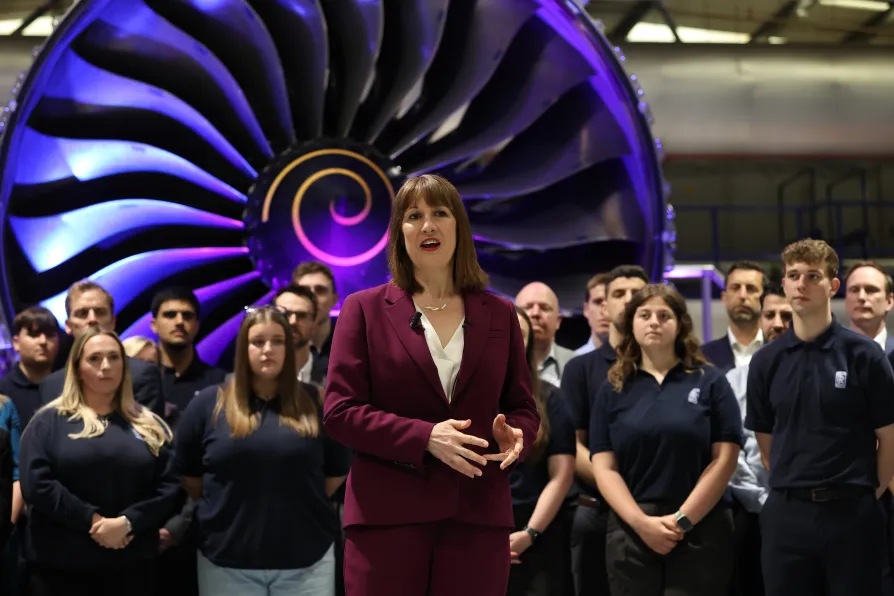
Having endured 14 years of Tory austerity followed by Starmerite cuts, young voters are desperate for change — but Anas Sarwar’s refusal to differentiate from Westminster means Scottish Labour risks electoral catastrophe, writes LAUREN HARPER

RUBY ALDEN GIBSON believes Scottish parliament has enough powers to curtail Westminster Labour’s savage attack on welfare