To rescue Kahlo from the clutches of the corporate art market, we need to acknowledge the overt and covert political dimensions of the work, demands GAVIN O’TOOLE


 Latest editorial
Uber-menshen
MAYER WAKEFIELD applauds the revival of an eerily prophetic drama
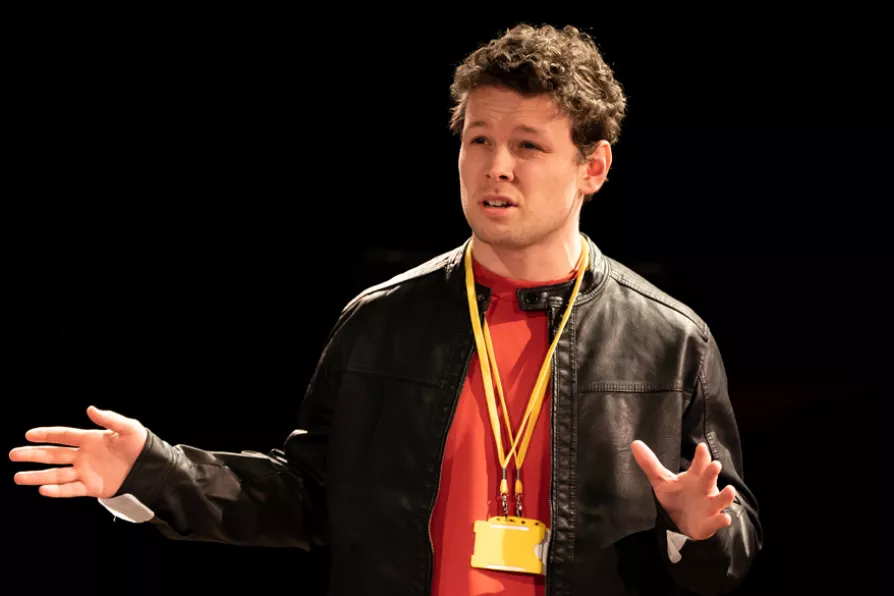 SCANDALOUS: Sean Delaney in Brilliant Jerks at Southwark Playhouse
[Pic: Nick Rutter ]
SCANDALOUS: Sean Delaney in Brilliant Jerks at Southwark Playhouse
[Pic: Nick Rutter ]
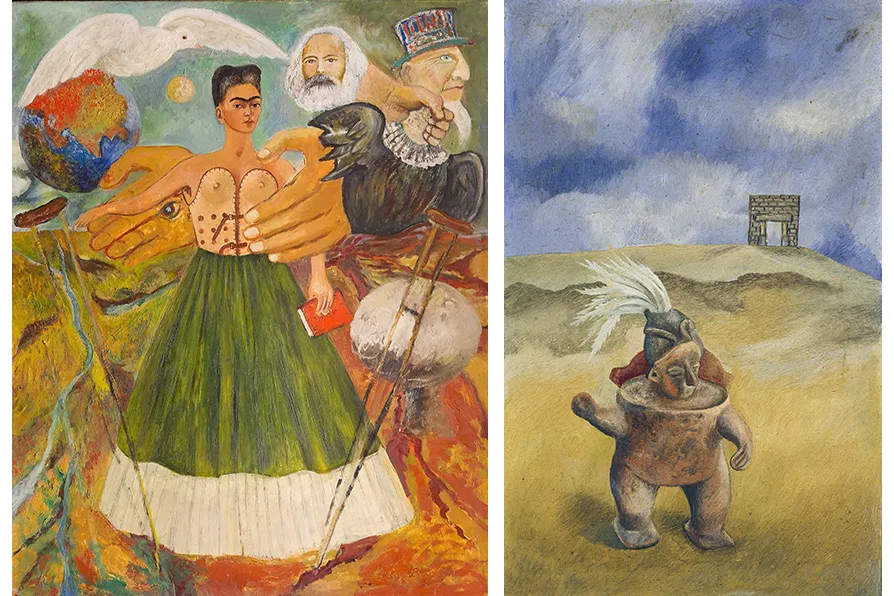
If you can see past the relentless commodification you will be rewarded by enormously powerful work, suggests JENNY MITCHELL
CHRIS SEARLE revels in the one-off collaboration between an American polymath and a British Muslim, and detects the presence of their revolutionary forebear
GORDON PARSONS revels in an ebullient production of Shakespeare’s magical comedy
BRENT CUTLER welcomes a thoughtful analysis of the Erdogan regime, viewed through the evolving history of a neighbourhood in Istanbul
GORDON PARSONS regrets the price, but is dazzled by an outstandingly ambitious study of the way art restoration in particular, and culture in general was weaponised by the Nazis





Brilliant Jerks
by Joseph Charlton
Southwark Playhouse
WHEN Joseph Charlton’s Brilliant Jerks was first performed at Vault Festival in 2018, Uber was less than a decade old, but its influence on the world was already enormous. Despite huge global resistance to its exploitative practices and a series of scandals, it is now an entrenched global brand. Katie-Ann McDonough’s revival feels like a warning we have failed to heed.
The plot melds three engrossing but uneven stories. Mia (Kiran Sonia Sawar) is a Glaswegian driver offering “bargain-bucket therapy” to stray passengers as they fall out of nightclubs or need a ferry to the airport. Sean (Sean Delaney) is an overly trusting coder, riding the wave of the company’s success and Tyler (Shubham Saraf) is the juvenile, status-obsessed CEO, hell-bent on taking over the world.
Between the three of them they also multi-role thirteen other characters in a whirlwind ninety minutes in which it’s not always easy to keep up, especially with costume changes kept to an absolute minimum.

Similar stories
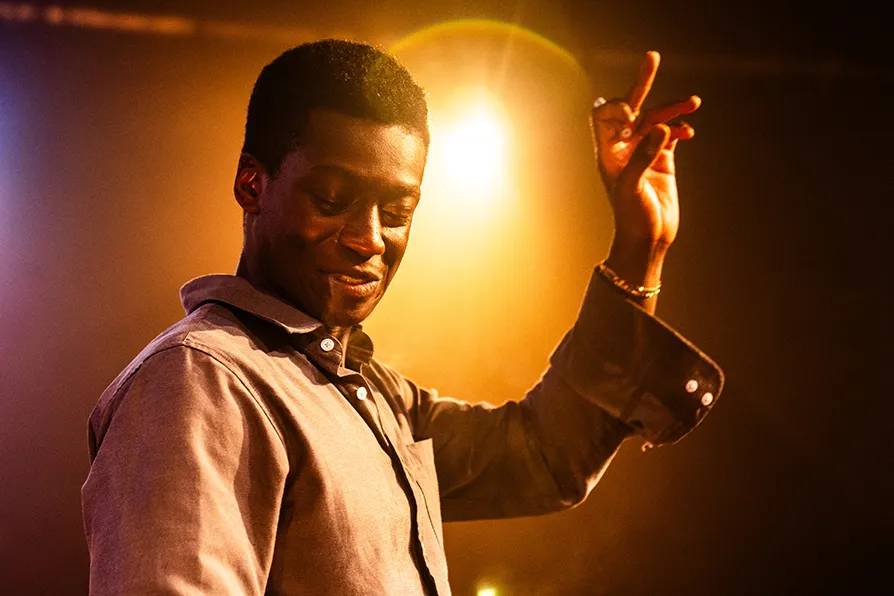
MAYER WAKEFIELD has reservations about a two-handed theatrical homage to jazz’s most mercurial musician
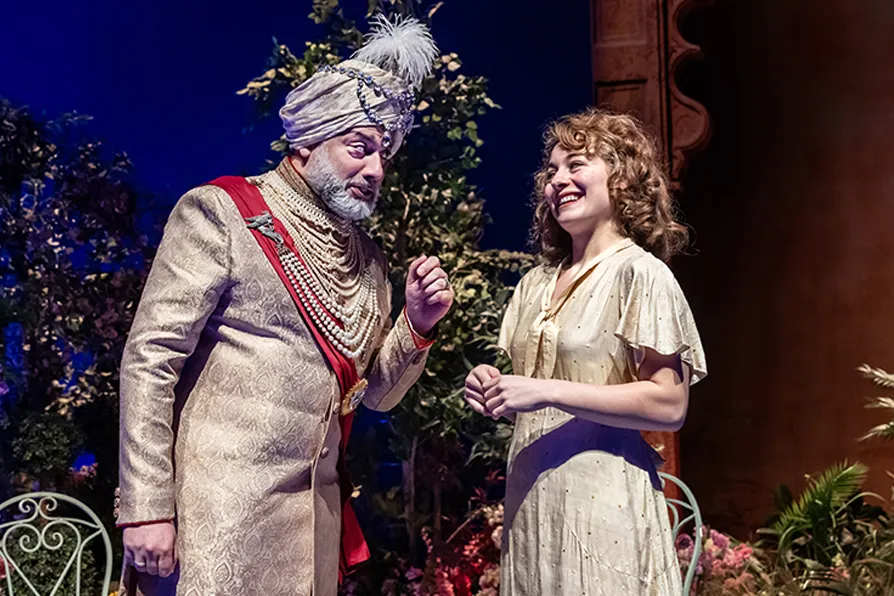
Although this production was in rehearsal before the playwright’s death, it allows us to pay homage to his life, suggests MARY CONWAY
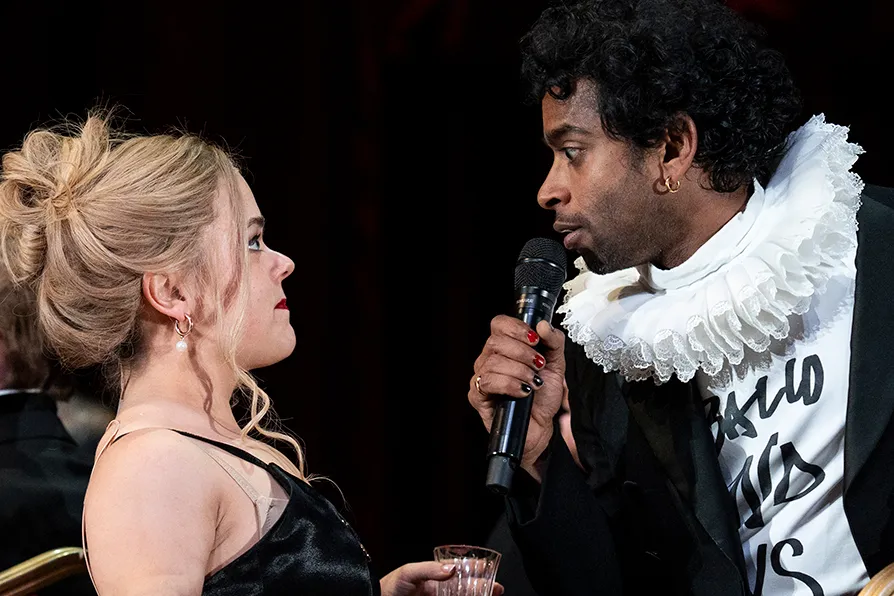
MAYER WAKEFIELD is gripped by a production dives rapidly from champagne-quaffing slick to fraying motormouth
![SISTERS IN HARMONY The Company of The ministry Of Lesbian Affairs [Pic Mark Senior]](https://dev.morningstaronline.co.uk/sites/default/files/styles/desktop/public/2025-07/The%20Company%20of%20The%20ministry%20Of%20Lesbian%20Affairs.jpg.webp?itok=47hfE2GG)
MAYER WAKEFIELD relishes a witty and uplifting rallying cry for unity, which highlights the erasure of queer women