To rescue Kahlo from the clutches of the corporate art market, we need to acknowledge the overt and covert political dimensions of the work, demands GAVIN O’TOOLE


 Latest editorial
A tender story of migration
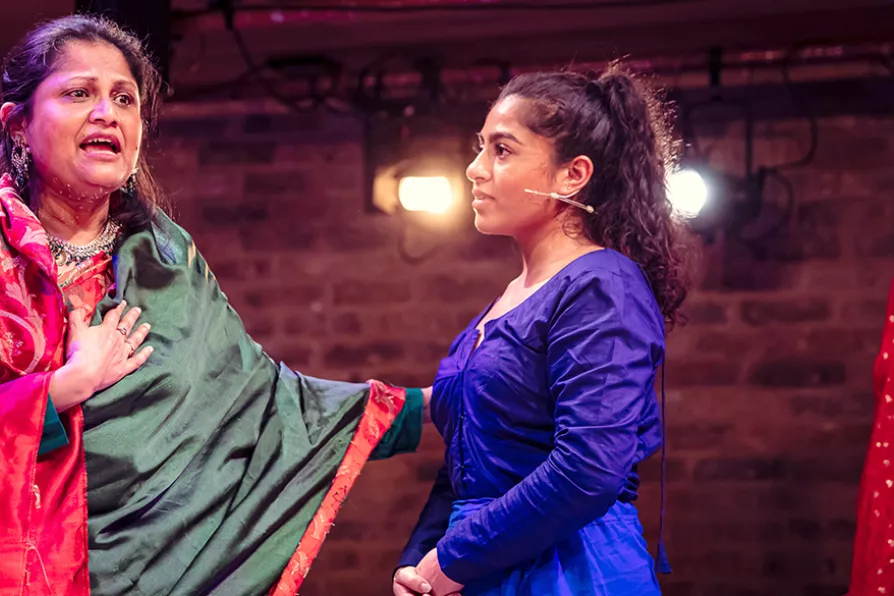 (L to R) Dawaat-Leesa Gazi and Halema Hussain
[Harry Elletson]
(L to R) Dawaat-Leesa Gazi and Halema Hussain
[Harry Elletson]
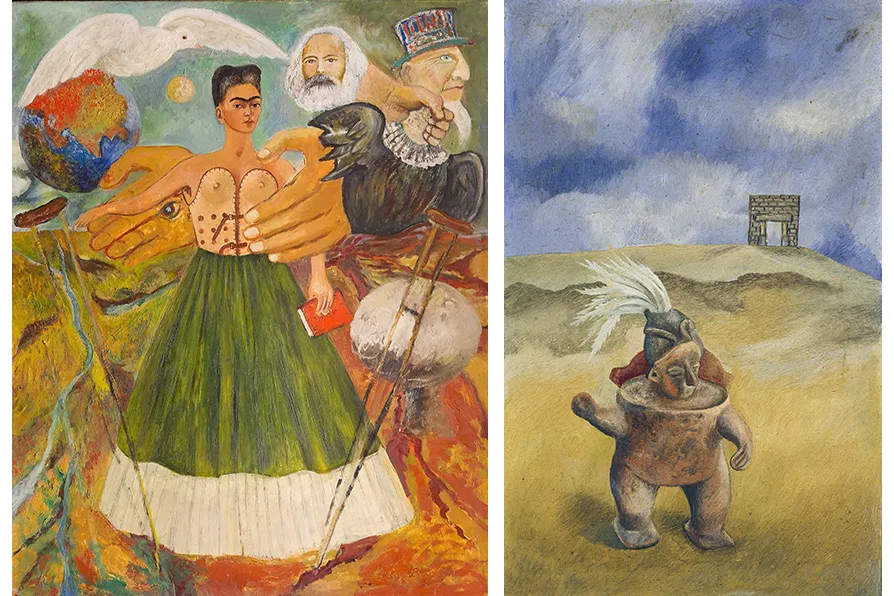
If you can see past the relentless commodification you will be rewarded by enormously powerful work, suggests JENNY MITCHELL
CHRIS SEARLE revels in the one-off collaboration between an American polymath and a British Muslim, and detects the presence of their revolutionary forebear
GORDON PARSONS revels in an ebullient production of Shakespeare’s magical comedy
BRENT CUTLER welcomes a thoughtful analysis of the Erdogan regime, viewed through the evolving history of a neighbourhood in Istanbul
GORDON PARSONS regrets the price, but is dazzled by an outstandingly ambitious study of the way art restoration in particular, and culture in general was weaponised by the Nazis





Dawaat
Tara Theatre, London
CONCEIVED to celebrate the 50th anniversary of the birth of Bangladesh in 1971, Dawaat is a moving playlet by three women of Bangladeshi heritage, centred around a divorcee (Leesa Gazi) and her grown-up girl (Halema Hussain) who are trying to come to terms with the daughter’s imminent departure from Britain to the US, where she has secured a dream job.
Real tears are shed by Gazi and Hussain, and there’s a heart-warming sense of tenderness in the simple moments they share, making food together and indulging in mutual sari-dressing as they prepare for a dawaat, or feast, while trying to accept that they will soon be parted.
In the background, or sometimes centre stage, Sohini Alam plays another mother figure, this time representing Bangladesh herself.
Singing traditional Bengali songs with a modern slant, Alam appears almost to sprinkle magic dust over mother and daughter, bringing them to the realisation that “watching the birds fly from the nest is also the story of Bangladesh” and that the spirit of the homeland “will accompany them to every corner and on every adventure.”
When the pair finally reconcile themselves to their fate, the stage – a circular dais in the centre of the theatre – becomes a large dinner table, where, in a parting act, the dawaat they have been preparing is dished out to selected members of the audience.
The ceremony adds an extra sense of touching cosiness to a performance in which, despite its homespun air, the acting, singing and direction (by Abduk Shayek) are highly professional and emotionally affecting.

Similar stories
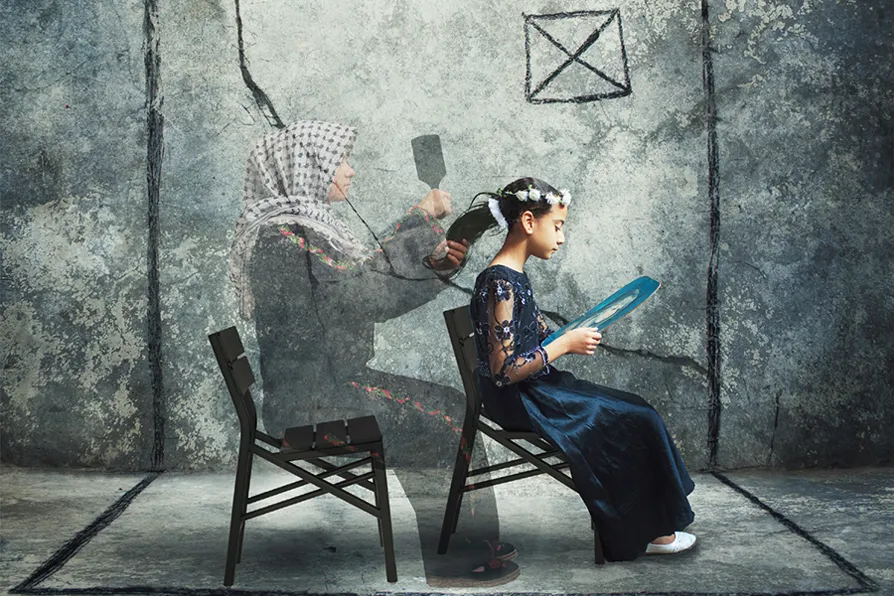
ANGUS REID applauds the potential of an ambitious show about Gaza, and encourages it to keep its nerve
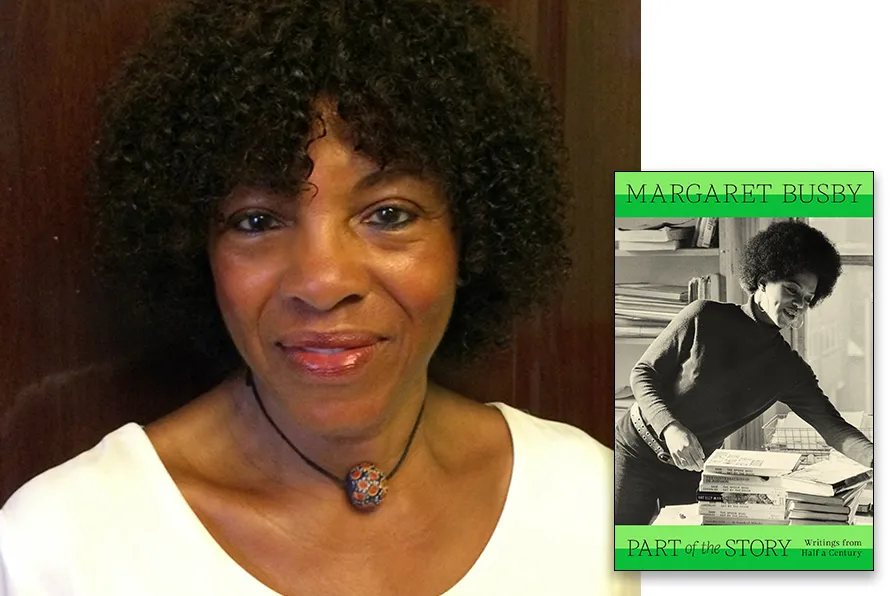
PETER MASON welcomes collected writings from Britain’s first black female publisher that focus on the place of black writers in literature
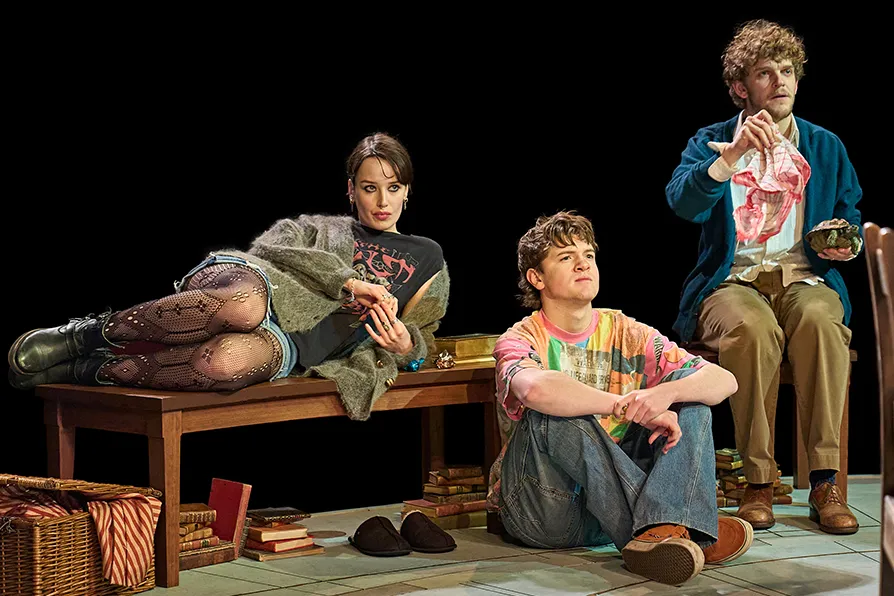
MARY CONWAY becomes impatient with the intellectual self-indulgence of Tom Stoppard in a production that is, nevertheless, total class
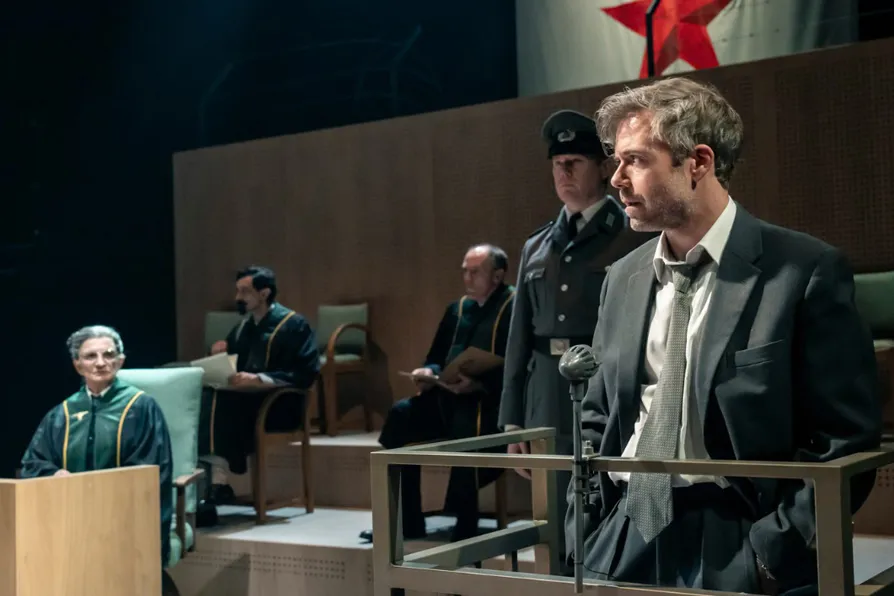
PETER MASON applauds a stage version of Le Carre’s novel that questions what ordinary people have to gain from high-level governmental spying