To rescue Kahlo from the clutches of the corporate art market, we need to acknowledge the overt and covert political dimensions of the work, demands GAVIN O’TOOLE


 Latest editorial
Swap rave for Ravel and breakbeat for Beethoven
You can enhance your keep-fit experience by adding classical music to your playlist, say COSTAS KARAGEORGHIS, DAWN ROSE and ELIAS MOUCHLIANITIS
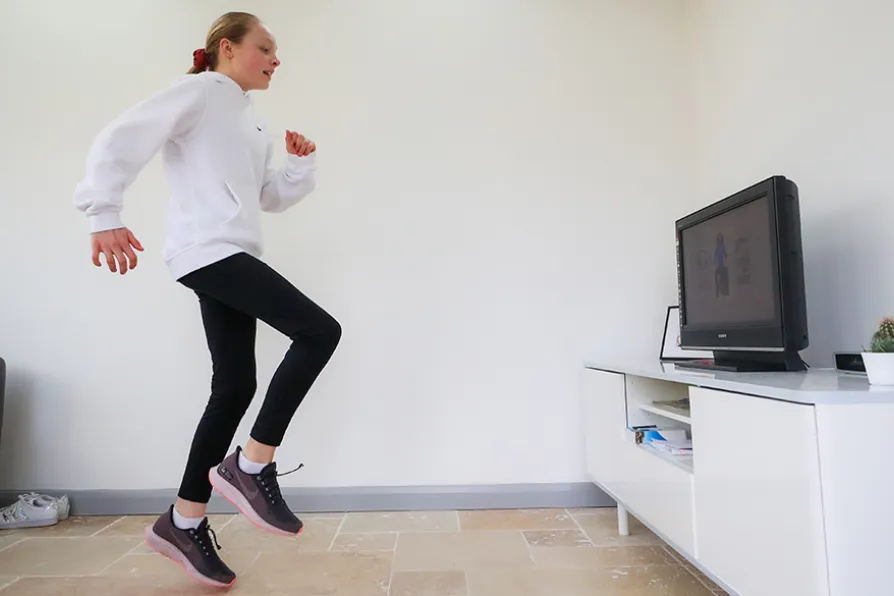 Swap rave for Ravel?

If you can see past the relentless commodification you will be rewarded by enormously powerful work, suggests JENNY MITCHELL
CHRIS SEARLE revels in the one-off collaboration between an American polymath and a British Muslim, and detects the presence of their revolutionary forebear
GORDON PARSONS revels in an ebullient production of Shakespeare’s magical comedy
BRENT CUTLER welcomes a thoughtful analysis of the Erdogan regime, viewed through the evolving history of a neighbourhood in Istanbul
GORDON PARSONS regrets the price, but is dazzled by an outstandingly ambitious study of the way art restoration in particular, and culture in general was weaponised by the Nazis





FOR many, an essential part of any exercise regime is the music that accompanies it. Whether you’re a runner, a rower or a bodybuilder, there’s a good chance you have a favourite selection of tunes and some headphones to help you through.
The right choice of music can inspire, energise and provide much-needed distraction. Elite athletes of every discipline are often seen deep in thought, their ears covered by snazzy headphones, in the moments ahead of a big match or race. So what is it about music that helps us to push our bodies towards or through physical discomfort?
We have been exploring this question using a variety of scientific methods. So far, most of our focus had been on various forms of popular music, including rock, dance, hip-hop and R’n’B, but recently we have been considering the benefits of classical music as an auditory aid to exercise.

Similar stories

STEVE JOHNSON relishes a celebration of the commonality of folk music and its links with the struggles of working people the world over
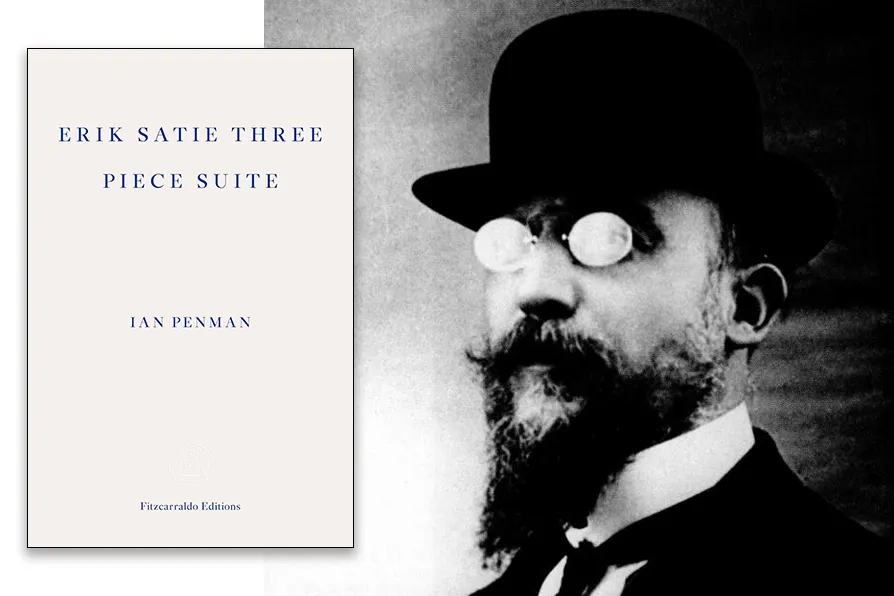
ANDY HEDGECOCK relishes an exuberant blend of emotion and analysis that captures the politics and contrarian nature of the French composer

From sexual innuendo about Blackpool Rock to Bob Dylan’s ‘God-almighty world,’ the corporation’s classist moral custodianship of pop music has created a roll call of censored artists anyone would feel honoured to join, writes NICK MATTHEWS
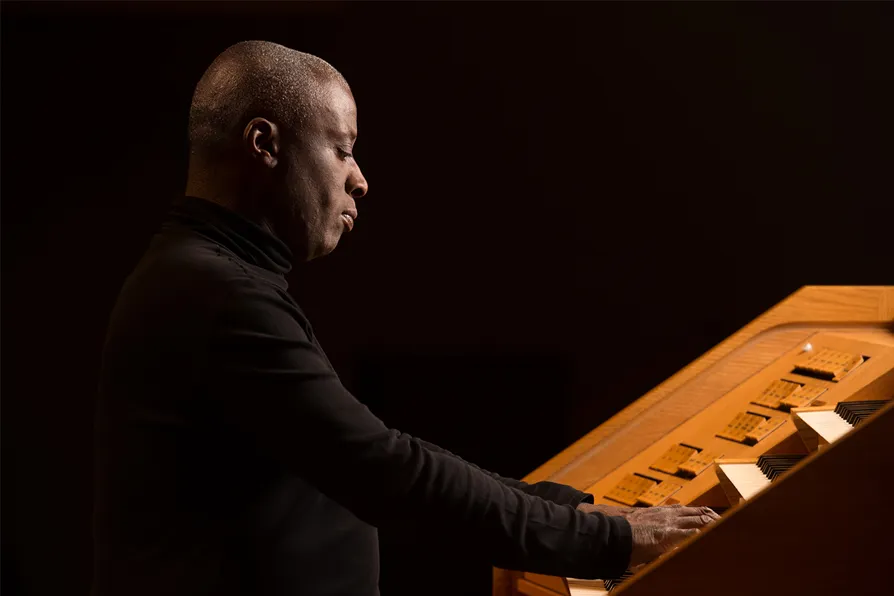
This is a concert of ambition and courage by organist and improviser Wayne Marshall, says SIMON DUFF