To rescue Kahlo from the clutches of the corporate art market, we need to acknowledge the overt and covert political dimensions of the work, demands GAVIN O’TOOLE


 Latest editorial
Being Human after 1492
Succinct account of colonialism’s history of blood, cruelty and greed
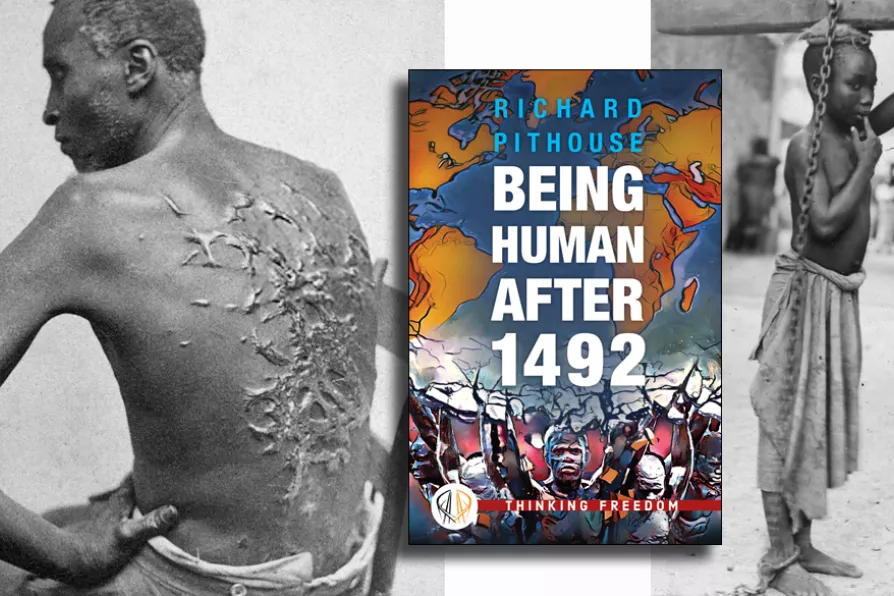 INHUMAN: (Right) Photograph, c1890) of an enslaved boy in Zanzibar, the log weighed 32 pounds; (left) photo of scars of a whipped Mississippi slave, photo 1863, Baton Rouge, US.
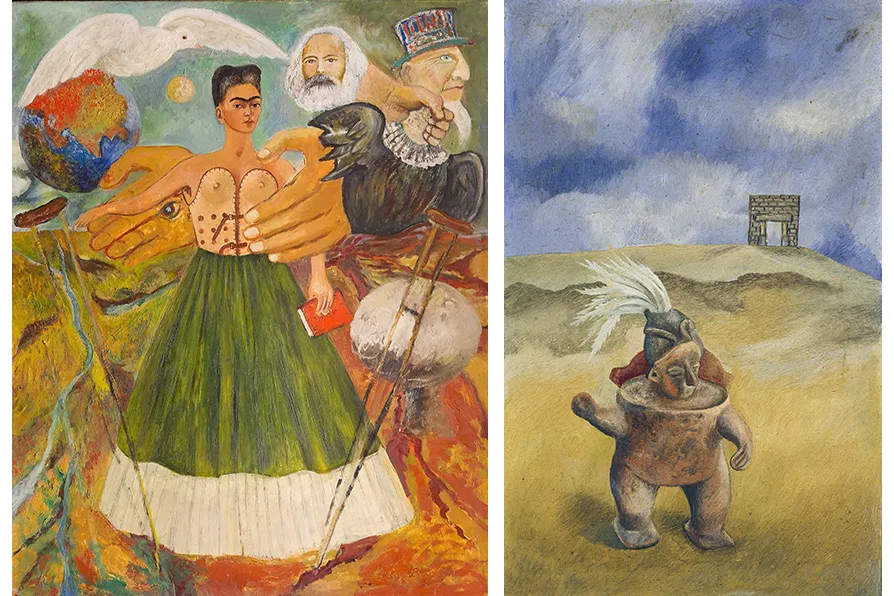
If you can see past the relentless commodification you will be rewarded by enormously powerful work, suggests JENNY MITCHELL
CHRIS SEARLE revels in the one-off collaboration between an American polymath and a British Muslim, and detects the presence of their revolutionary forebear
GORDON PARSONS revels in an ebullient production of Shakespeare’s magical comedy
BRENT CUTLER welcomes a thoughtful analysis of the Erdogan regime, viewed through the evolving history of a neighbourhood in Istanbul
GORDON PARSONS regrets the price, but is dazzled by an outstandingly ambitious study of the way art restoration in particular, and culture in general was weaponised by the Nazis





THIS intriguingly entitled pamphlet by Richard Pithouse is part of the Thinking Freedom series produced by New Frame, a South African-based social justice media project committed to “accurate, careful and credible news.”
As a literary form, the pamphlet has a long and important history, serving the purpose of informing the public directly of current issues and often attacking Establishment ideologies in ways delivered today through social media and Pithouse charts the historical inter-relationship of Christianity, colonialism, capitalism and racism through the ongoing establishment of European hegemony over the world.
He uses the stepping stones of key moments deriving from the very same month in 1492 when Columbus set off on the great New World treasure hunt — with Papal carte blanche — the Jews were driven out of Spain and the emergence of a European ideological project was established.
Similar stories
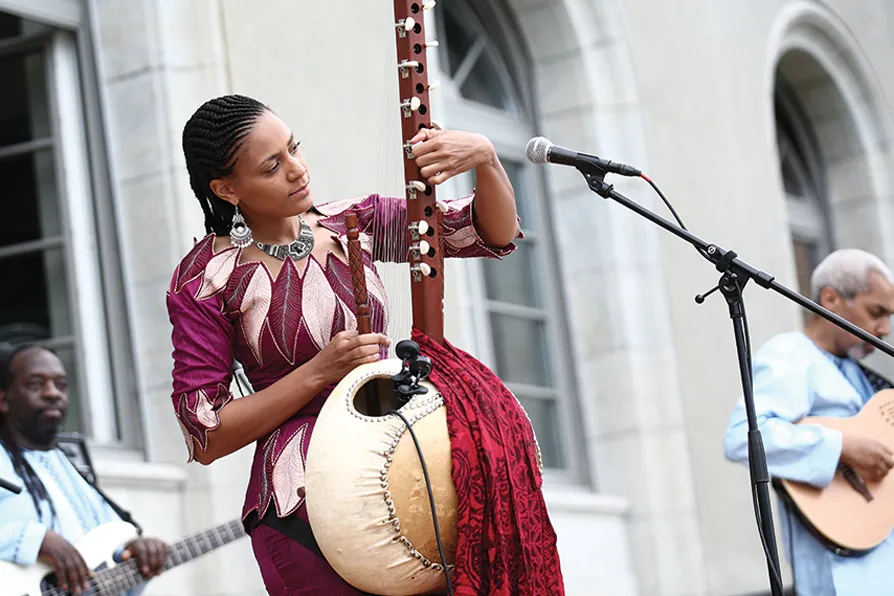
ROGER McKENZIE draws attention to the much-neglected oral traditions of the global South that define the identity – and therefore the liberation – of its custodians

Trump’s ‘Peace Council’ is not a peace project, but a war and colonial council that renews Western colonialism, writes SEVIM DAGDELEN
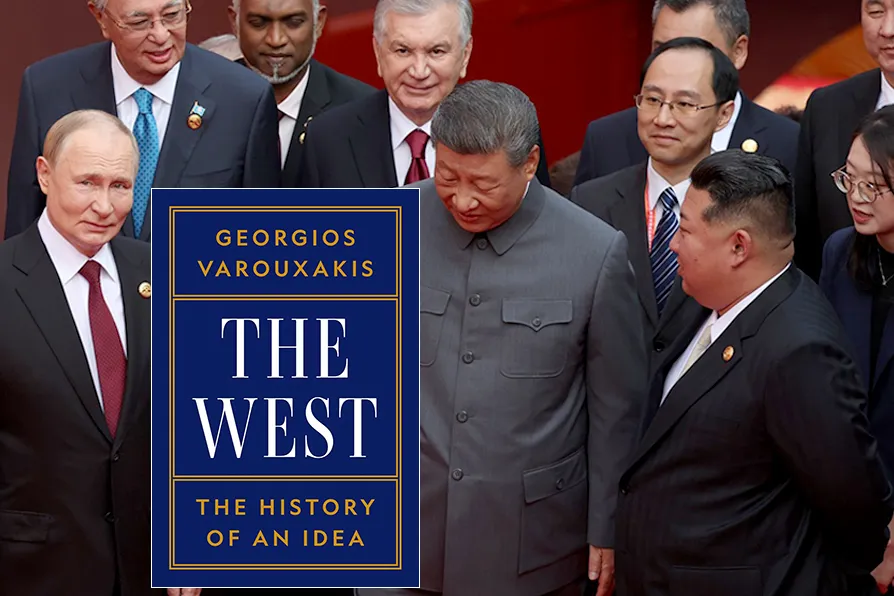
BRENT CUTLER is intrigued by the imperialist, supremacist and contradictory history of a word that is used all too easily
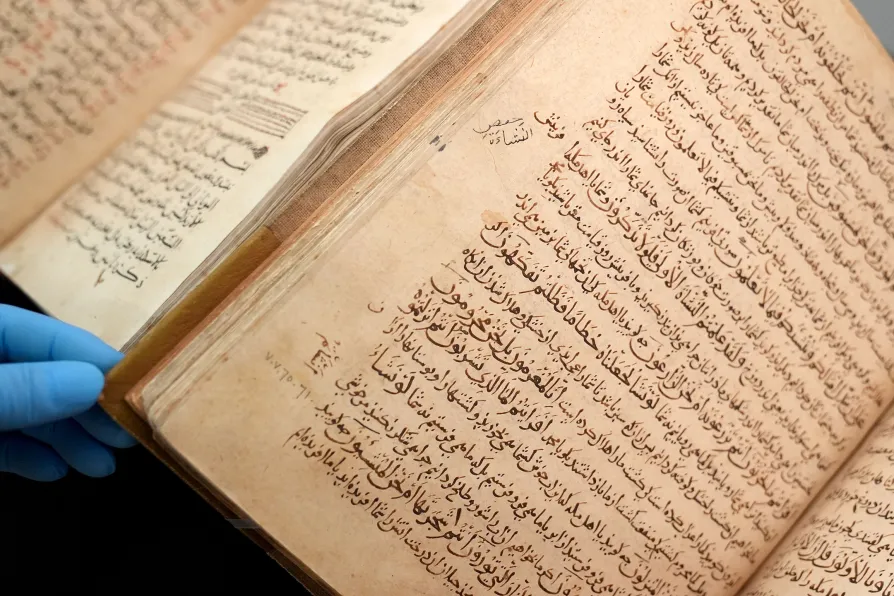
GORDON PARSONS is enthralled by an erudite and entertaining account of where the language we speak came from