To rescue Kahlo from the clutches of the corporate art market, we need to acknowledge the overt and covert political dimensions of the work, demands GAVIN O’TOOLE


 Latest editorial
Squid
In search of answers to what makes the mysterious cephalopod tick
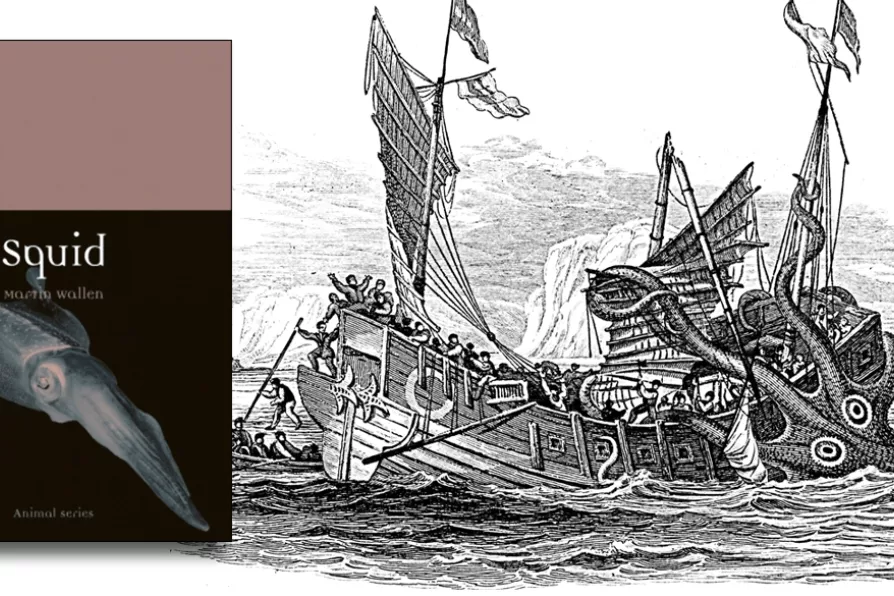 STUFF OF NIGHTMARES: A kraken attacking a merchant ship, 1810, by Pierre Denys de Montfort
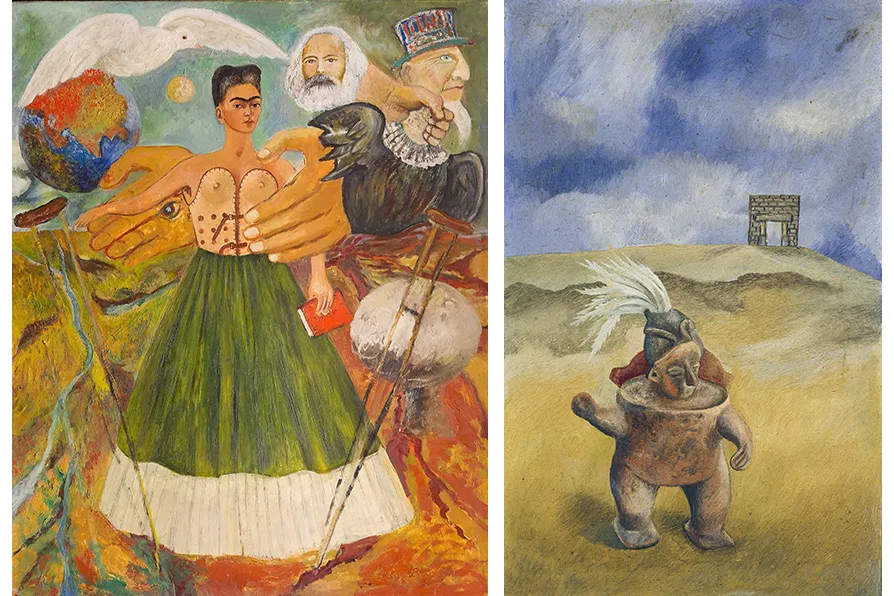
If you can see past the relentless commodification you will be rewarded by enormously powerful work, suggests JENNY MITCHELL
CHRIS SEARLE revels in the one-off collaboration between an American polymath and a British Muslim, and detects the presence of their revolutionary forebear
GORDON PARSONS revels in an ebullient production of Shakespeare’s magical comedy
BRENT CUTLER welcomes a thoughtful analysis of the Erdogan regime, viewed through the evolving history of a neighbourhood in Istanbul
GORDON PARSONS regrets the price, but is dazzled by an outstandingly ambitious study of the way art restoration in particular, and culture in general was weaponised by the Nazis





REAKTION Books has carved out a niche in the market with its fascinating animal series. Since launching some 20 years ago, it’s applied a natural sciences and humanities approach to explore everything from elephants to ants, looking at how the species have been impacted by humans around the world. It’s a method that’s continued by Martin Wallen in Squid.
He brings an academic lens to the subject, tracing the deep-sea terror of kraken mythology through to the contemporary scientific understanding of the cephalopod, two perspectives brought together by an exploration of how they’re represented in art and literature.
Supported by intriguing titbits of information about their biology, Wallen frequently stresses the “unknowability” of squid to science — their oesophagus passes through their brain, their movement and vision are simultaneous kinetically and their eating habits are fearsome — they “prey on almost anything that does not eat them first.” This unknowability inspires fear in the way they could prosper at the expense of humans.

Similar stories

As Palestine Action prisoners go weeks without food, alleging dangerous neglect and detention without trial, campaigners warn that a near-total media blackout is hiding a crisis that could turn fatal – and fuel a growing wave of public anger. ELIZABETH SHORT reports
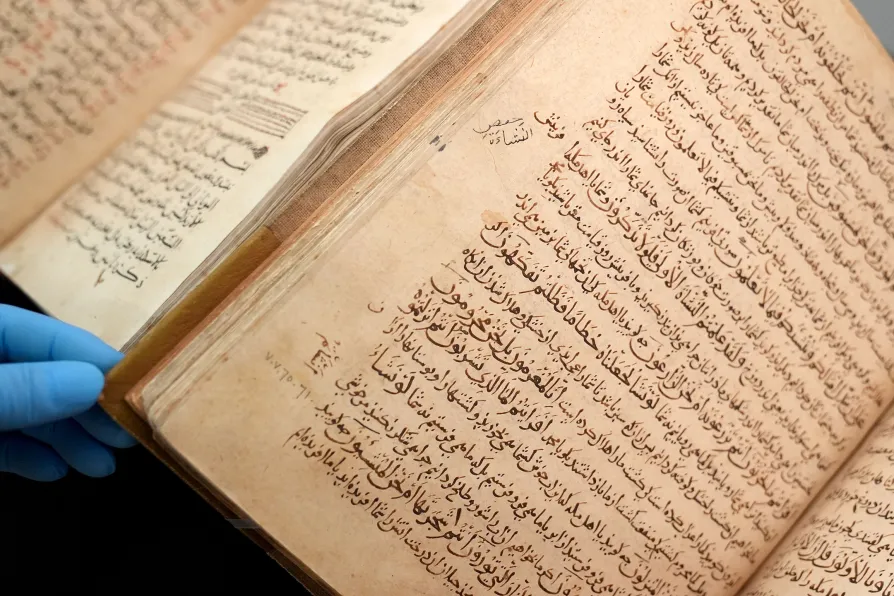
GORDON PARSONS is enthralled by an erudite and entertaining account of where the language we speak came from
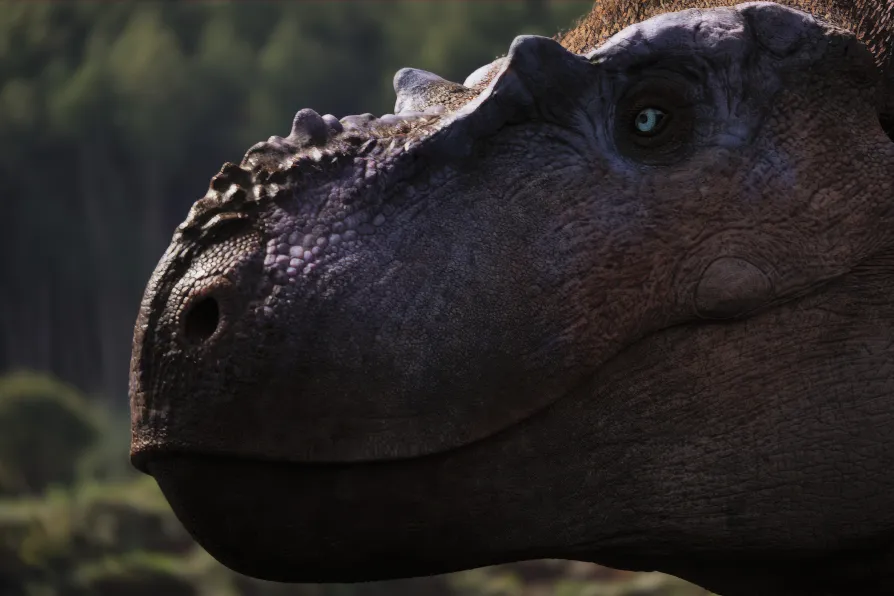
200 years since the first dinosaur was described and 25 after its record-breaking predecessor, the BBC has brought back Walking with Dinosaurs. BEN CHACKO assesses what works and what doesn’t
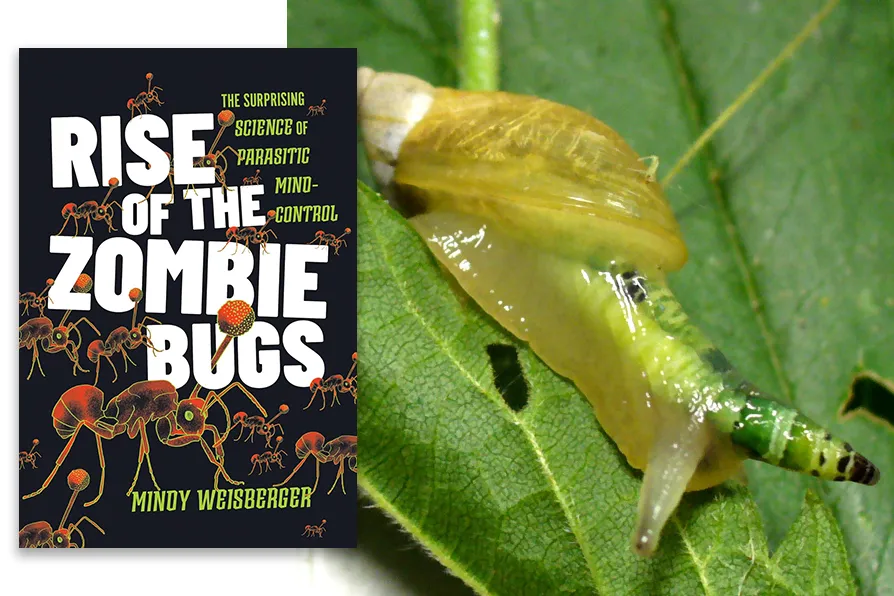
ALEX DITTRICH hitches a ride on a jaw-dropping tour of the parasite world