To rescue Kahlo from the clutches of the corporate art market, we need to acknowledge the overt and covert political dimensions of the work, demands GAVIN O’TOOLE


 Latest editorial
A poignant remembrance of things past
 FM Dostoevsky Academic Drama Theatre in Nizhny Novgorod, designed by V Somov, built in 1987
[Arseniy Kotov]
FM Dostoevsky Academic Drama Theatre in Nizhny Novgorod, designed by V Somov, built in 1987
[Arseniy Kotov]
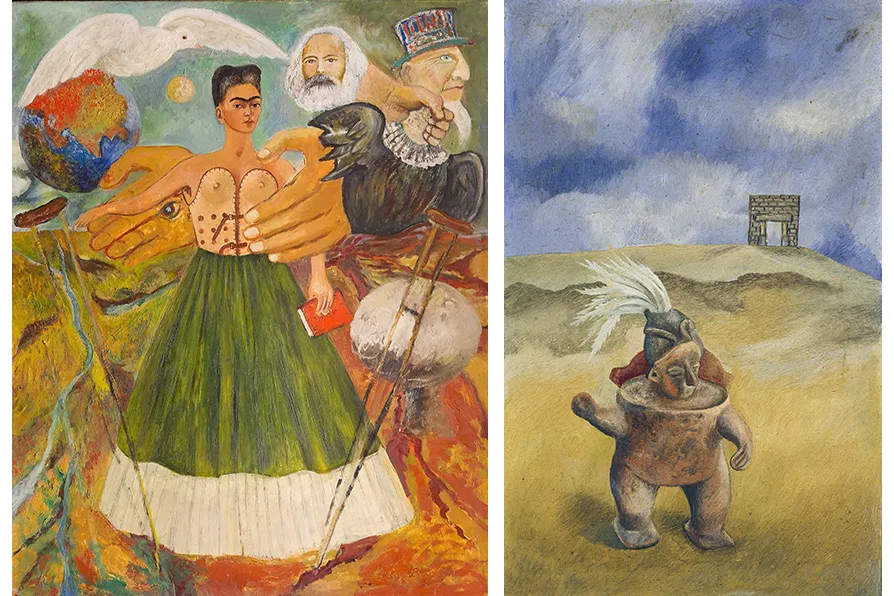
If you can see past the relentless commodification you will be rewarded by enormously powerful work, suggests JENNY MITCHELL
CHRIS SEARLE revels in the one-off collaboration between an American polymath and a British Muslim, and detects the presence of their revolutionary forebear
GORDON PARSONS revels in an ebullient production of Shakespeare’s magical comedy
BRENT CUTLER welcomes a thoughtful analysis of the Erdogan regime, viewed through the evolving history of a neighbourhood in Istanbul
GORDON PARSONS regrets the price, but is dazzled by an outstandingly ambitious study of the way art restoration in particular, and culture in general was weaponised by the Nazis





SOVIET CITIES Labour Life Leisure
by Arseniy Kotov
FUEL £24.95
“I WAS born in 1988 and have no experience of life in the USSR, but looking at its architecture it is clear that it was a great civilisation with a genuine intention to build a fairer society,” writes Arseniy Kotov in the introduction to his fascinating photographic record of the Soviet Union interrupted.
Kotov denotes the ever-present art on the facades of buildings, particularly housing estates, with motives from socialist life and regrets the demise of the architecturally legendary palaces of culture — vibrant communal hubs with workshops, lectures, performances — these days transformed into indoor markets where now, its once gainfully employed visitors and participants, eke a meagre living.

Similar stories
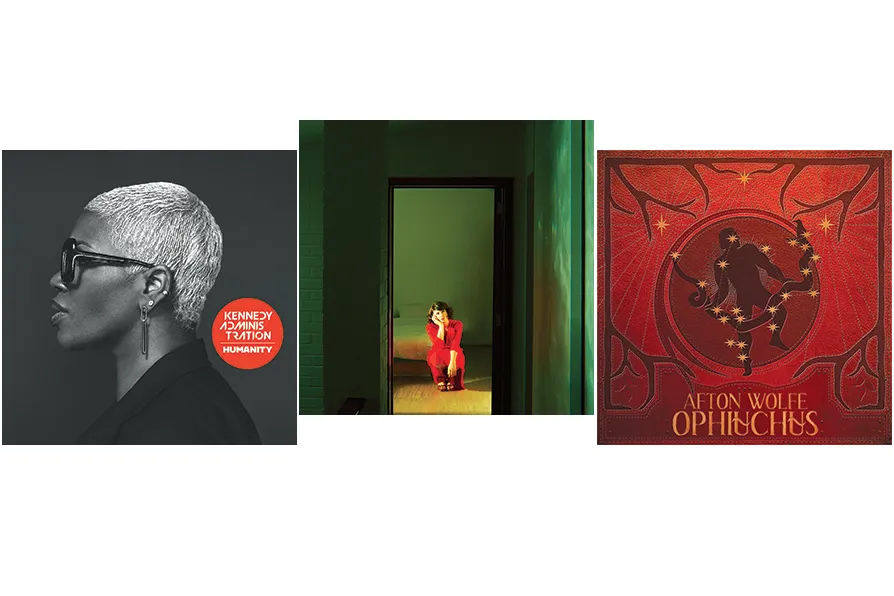
New releases from Kennedy Administration, Melanie Pain, and Afton Wolfe
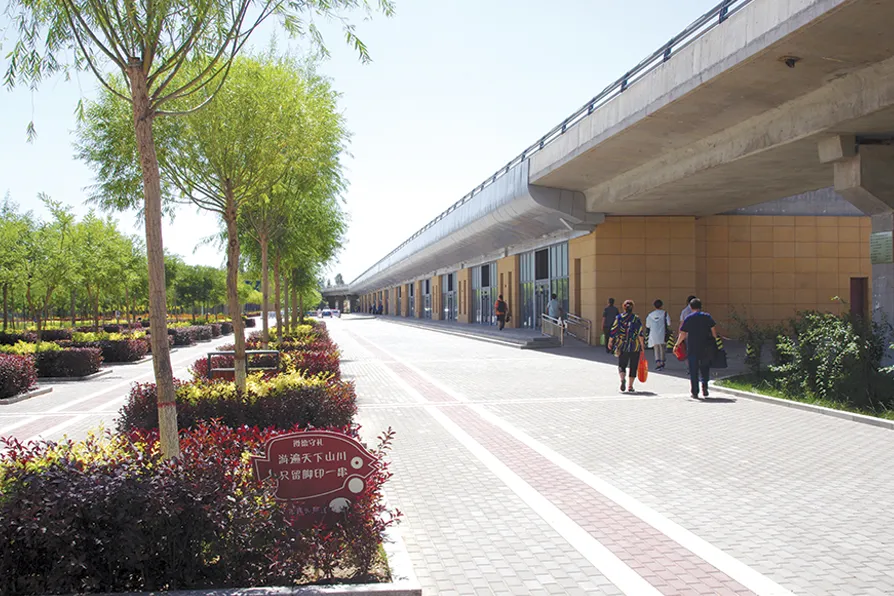
PAWEL WARGAN juxtaposes the thriving industrial centre Jiayuguan in China, with the prevailing images of decaying East European great industrial cities
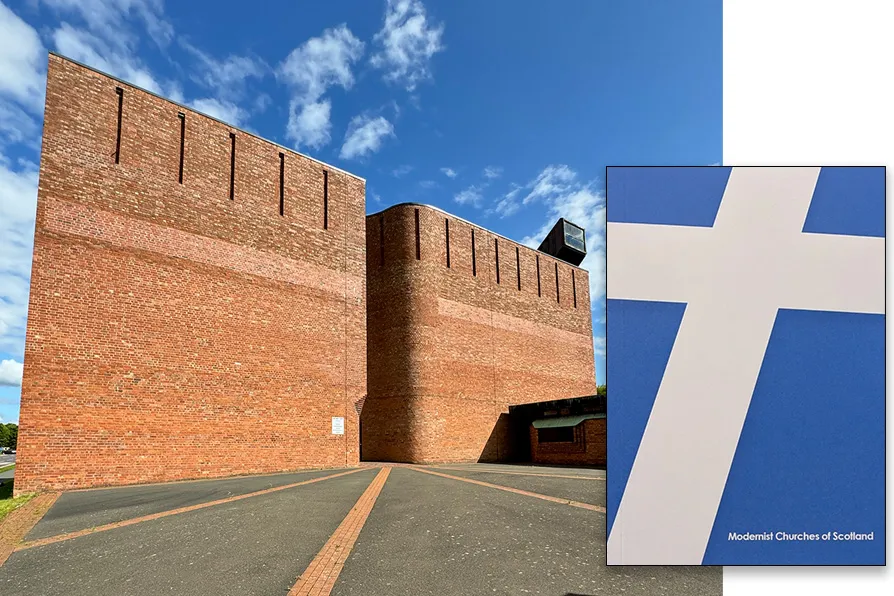
HENRY BELL notes the curious confluence of belief, rebuilding and cheap materials that gave rise to an extraordinary number of modernist churches in post-war Scotland