To rescue Kahlo from the clutches of the corporate art market, we need to acknowledge the overt and covert political dimensions of the work, demands GAVIN O’TOOLE


 Latest editorial
The perils of carrying our deficiencies into any ‘brave new world’
 OUT OF SYNC: Lennie James as Salter the father and Paapa Essiedu as one of the three sons
[Manuel Harlan]
OUT OF SYNC: Lennie James as Salter the father and Paapa Essiedu as one of the three sons
[Manuel Harlan]
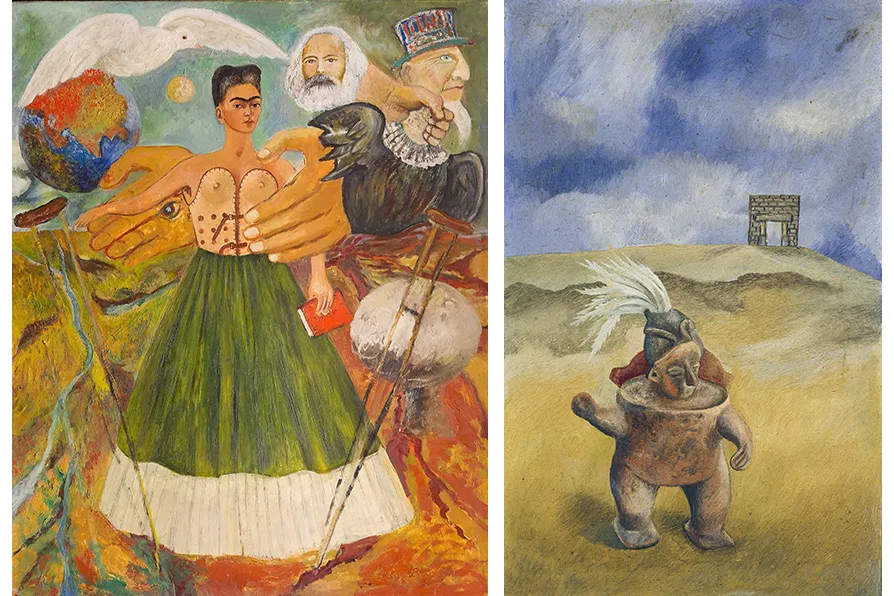
If you can see past the relentless commodification you will be rewarded by enormously powerful work, suggests JENNY MITCHELL
CHRIS SEARLE revels in the one-off collaboration between an American polymath and a British Muslim, and detects the presence of their revolutionary forebear
GORDON PARSONS revels in an ebullient production of Shakespeare’s magical comedy
BRENT CUTLER welcomes a thoughtful analysis of the Erdogan regime, viewed through the evolving history of a neighbourhood in Istanbul
GORDON PARSONS regrets the price, but is dazzled by an outstandingly ambitious study of the way art restoration in particular, and culture in general was weaponised by the Nazis





A Number
Old Vic
CLONING has often been thought a subject best left for sci-fi, but at the turn of the 21st century — when Caryl Churchill’s play A Number was first staged — the prospect of humans being cloned was raised after a Finnish-Dorset sheep named Dolly became the first mammal to be cloned from an adult cell.
Now 20 years later, and the politics of our DNA has taken centre stage again with companies like 23andMe offering a full breakdown of your genetic makeup from a saliva sample. As if Silicon Valley doesn’t have enough of our data.
But if A Number is on one level a warning sign about the drawbacks of human cloning, it is many other things beside. It’s also a timeless analysis of nature vs nurture, and the complex relationship between a father and son.

Similar stories
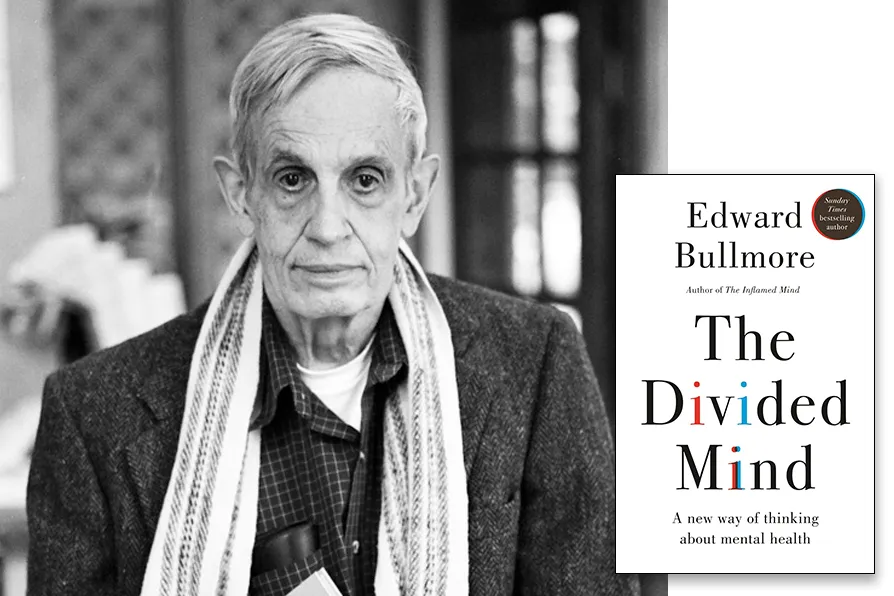
RICHARD SHILLCOCK examines an enjoyable, but philosophically conventional book, and urges Marxists to employ their capacity to embrace the totality in any explanation
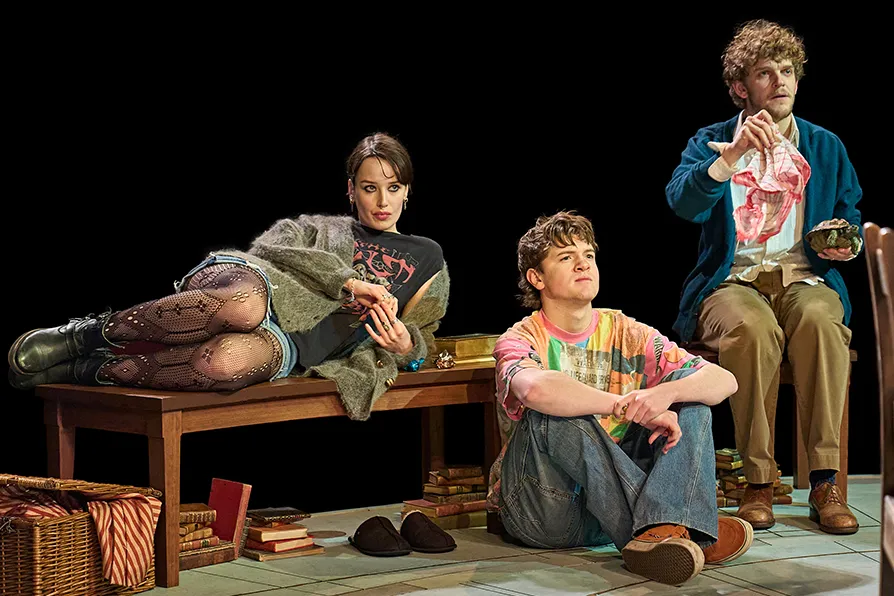
MARY CONWAY becomes impatient with the intellectual self-indulgence of Tom Stoppard in a production that is, nevertheless, total class
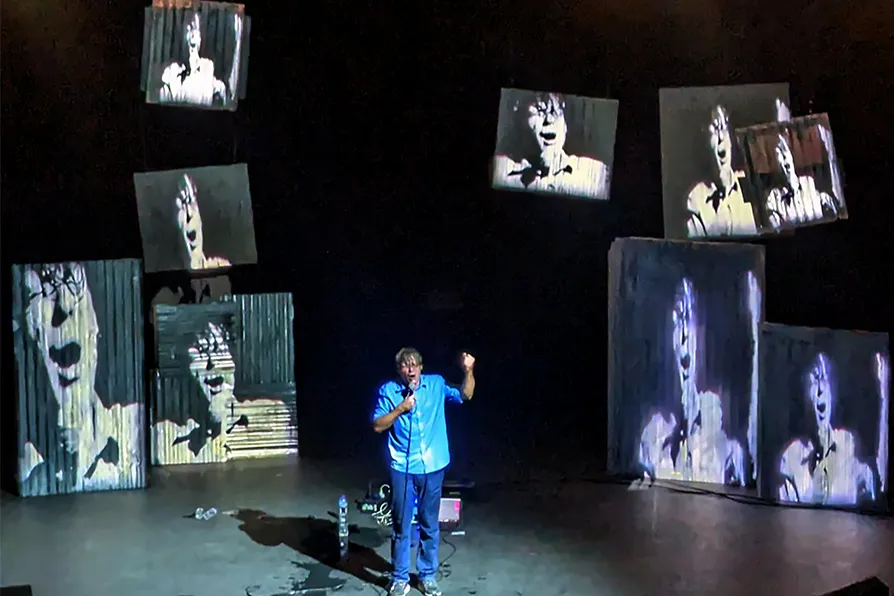
WILL STONE is frustrated by a performance that chooses to garble the lyrics and drown the songs in reverb
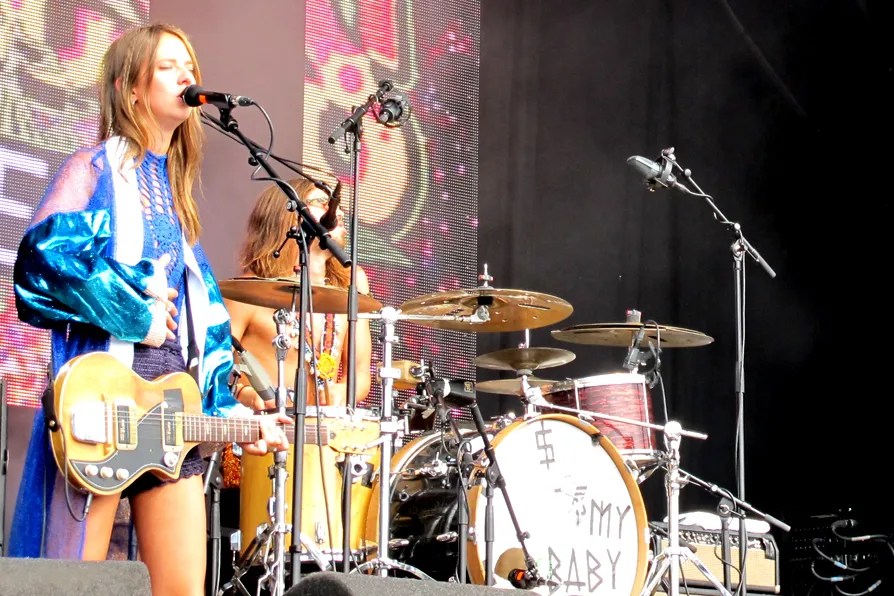
WILL STONE in entertained, and some, by the Irishman Shobsy and the Dutch/Kiwi combo My Baby