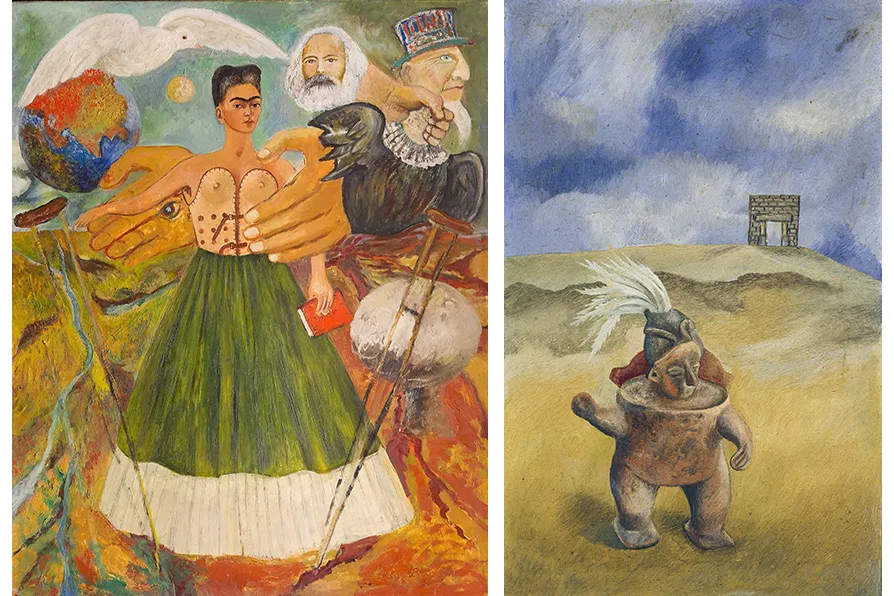
To rescue Kahlo from the clutches of the corporate art market, we need to acknowledge the overt and covert political dimensions of the work, demands GAVIN O’TOOLE


 Latest editorial
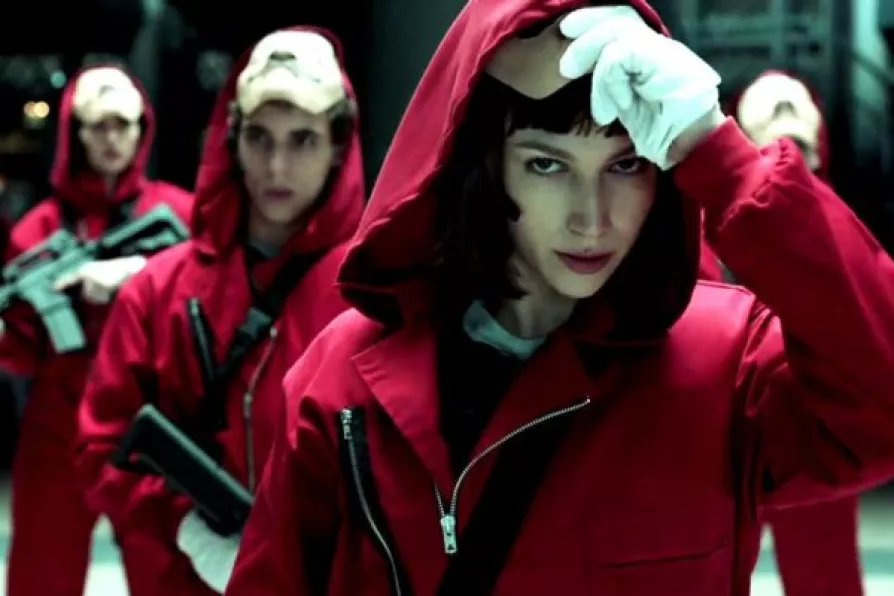
Online watch: Money Heist
Printing money takes on a whole new meaning in Nextflix's surprise smash-hit
If you can see past the relentless commodification you will be rewarded by enormously powerful work, suggests JENNY MITCHELL
CHRIS SEARLE revels in the one-off collaboration between an American polymath and a British Muslim, and detects the presence of their revolutionary forebear
GORDON PARSONS revels in an ebullient production of Shakespeare’s magical comedy
BRENT CUTLER welcomes a thoughtful analysis of the Erdogan regime, viewed through the evolving history of a neighbourhood in Istanbul
GORDON PARSONS regrets the price, but is dazzled by an outstandingly ambitious study of the way art restoration in particular, and culture in general was weaponised by the Nazis





IN ITS run on Spanish TV, Netflix’s Money Heist was more appropriately titled La Casa de Papel — “House of Paper” — which brings to mind Marx’s characterisation of capitalism as a house of cards.
The first season, to the surprise even of Netflix, was the top ratings hit on the service for a show whose language is not English. The series was the most popular last year in Western Europe and one of the most popular globally.
Why the phenomenal success? The answer lies in the major change Money Heist makes to a long and honourable genre, in which thieves often operate in enclaves of marginalised or working-class bands formed to steal money from an impregnable fortress — think The Asphalt Jungle, Rififi, or The Lavender Hill Mob.

Similar stories
DENNIS BROE observes how cutbacks, mergers and AI create content detached from both reality and history itself

DENNIS BROE points out that two popular TV series promote police violence and disguise it as ‘fun’

CJ ATKINS commemorates one of the most dramatic moments in working-class history

DENNIS BROE finds much to praise in the new South African Netflix series, but wonders why it feels forced to sell out its heroine