To rescue Kahlo from the clutches of the corporate art market, we need to acknowledge the overt and covert political dimensions of the work, demands GAVIN O’TOOLE


 Latest editorial
The New Abject
Real and abstract revulsion compelling themes of dread-zone anthology
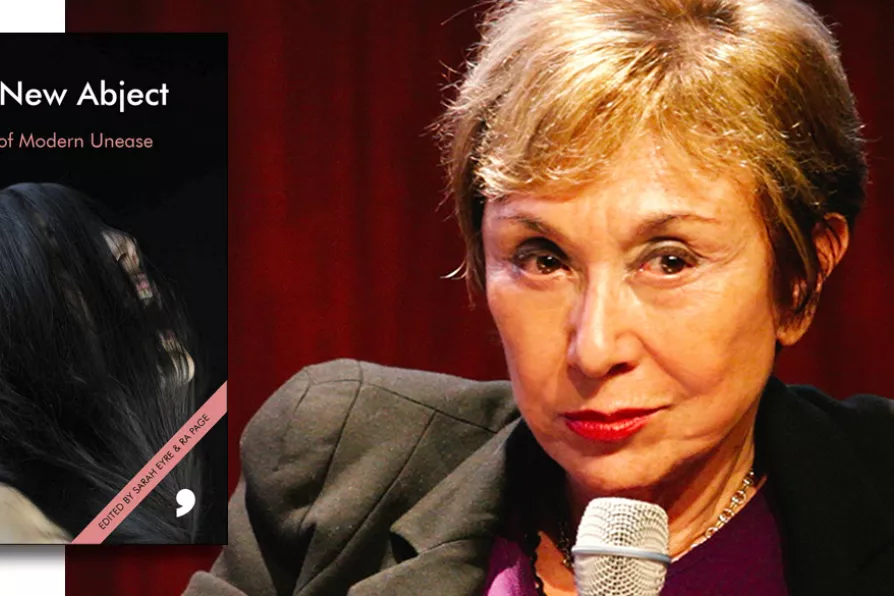 ORACLE OF ABJECTION: Julia Kristeva
[Guiness88/Creative Commons]
ORACLE OF ABJECTION: Julia Kristeva
[Guiness88/Creative Commons]
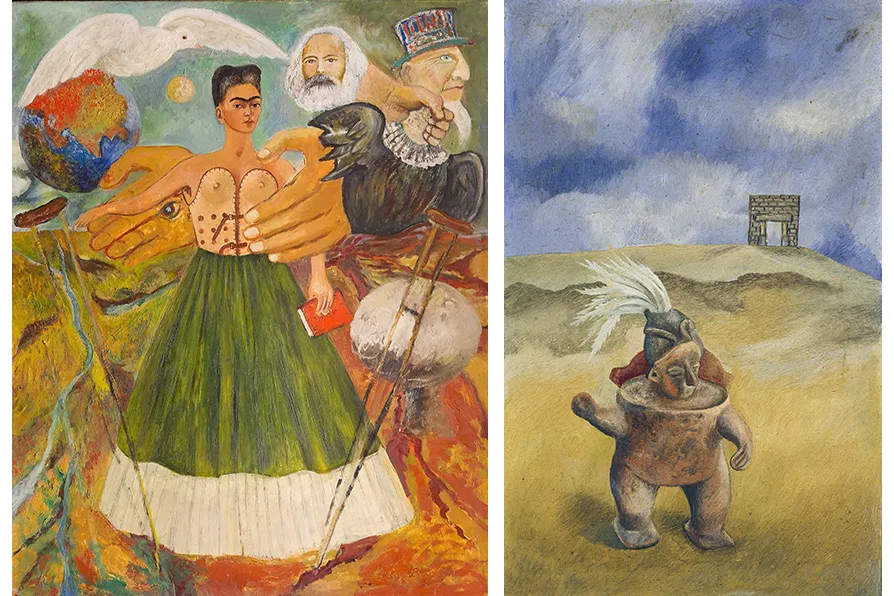
If you can see past the relentless commodification you will be rewarded by enormously powerful work, suggests JENNY MITCHELL
CHRIS SEARLE revels in the one-off collaboration between an American polymath and a British Muslim, and detects the presence of their revolutionary forebear
GORDON PARSONS revels in an ebullient production of Shakespeare’s magical comedy
BRENT CUTLER welcomes a thoughtful analysis of the Erdogan regime, viewed through the evolving history of a neighbourhood in Istanbul
GORDON PARSONS regrets the price, but is dazzled by an outstandingly ambitious study of the way art restoration in particular, and culture in general was weaponised by the Nazis





ACCORDING to critic and psychoanalyst Julia Kristeva, abjection involves either a confrontation with our sense of physical being or a separation between the self and a rejected “other.” Objects of revulsion can be tangible, such as faeces and bodily fluids, but some forms of dread are abstract and ambiguous.
The New Abject collection of horror stories draws on the broad nature of Kristeva’s definition, which has inspired a loosely related set of tales that deal with the things that make us shudder and retch.

Similar stories
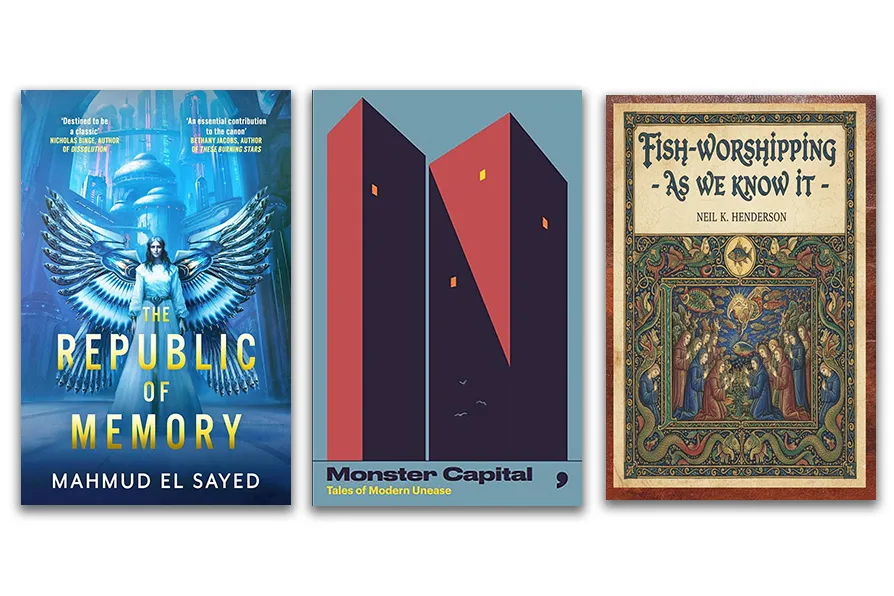
Do frozen colonists carry the virus of empire? Why is monstrosity a great way to describe capital? Was God a dustman?
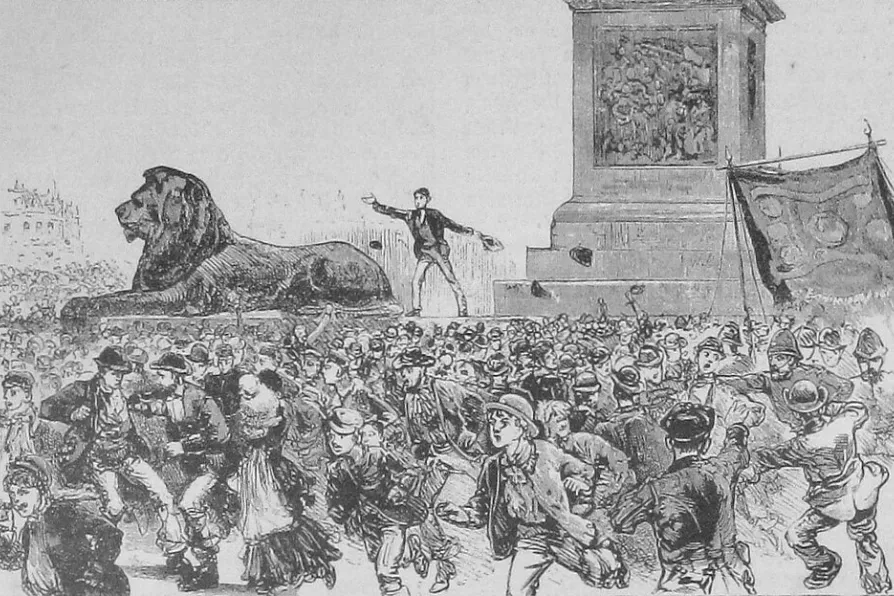
STEPHEN ARNELL looks back to when protesters took to the streets in London demand to Irish liberty, fair pay and free speech — and wonders what’s changed in 138 years


ANDY HEDGECOCK recommends that these beautifully written diaries from Gaza be essential reading for thick-skinned MPs