To rescue Kahlo from the clutches of the corporate art market, we need to acknowledge the overt and covert political dimensions of the work, demands GAVIN O’TOOLE


 Latest editorial
The mill stone around contemporary Britain’s neck
A wealth of information is let down by the final conclusions, writes WILL PODMORE
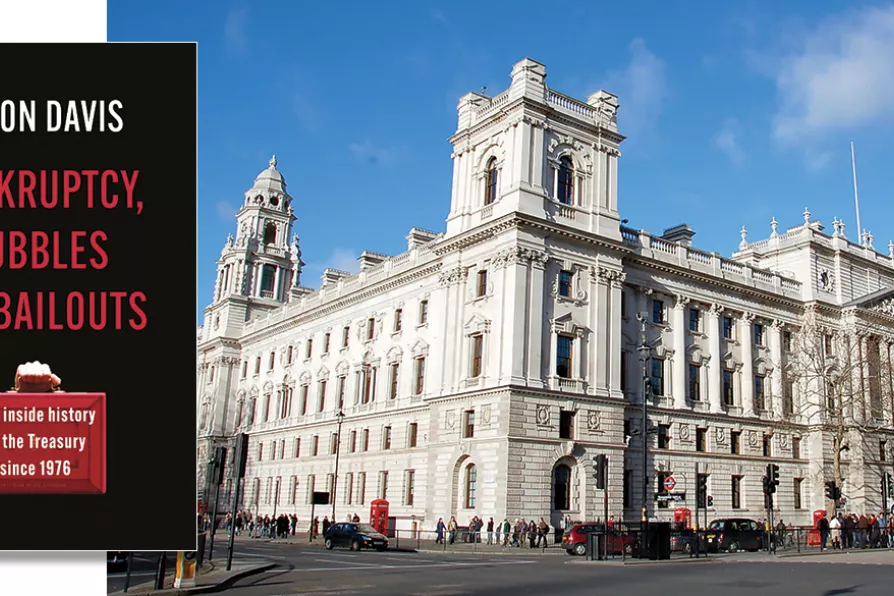 DOGMATIC MONOLITH: The Treasury building in London
[James Stringer/CC]
DOGMATIC MONOLITH: The Treasury building in London
[James Stringer/CC]

If you can see past the relentless commodification you will be rewarded by enormously powerful work, suggests JENNY MITCHELL
CHRIS SEARLE revels in the one-off collaboration between an American polymath and a British Muslim, and detects the presence of their revolutionary forebear
GORDON PARSONS revels in an ebullient production of Shakespeare’s magical comedy
BRENT CUTLER welcomes a thoughtful analysis of the Erdogan regime, viewed through the evolving history of a neighbourhood in Istanbul
GORDON PARSONS regrets the price, but is dazzled by an outstandingly ambitious study of the way art restoration in particular, and culture in general was weaponised by the Nazis





Bankruptcy, bubbles and bailouts: The inside history of the Treasury since 1976
by Aeron Davis
Manchester University Press £16.99
THIS is a splendid survey of a key department of state. The Treasury dominates the state machine.
What is its purpose? The record shows that it consistently opposes our national industries, regional development, central planning, and much-needed infrastructure projects.
By contrast it always gives foreign companies incentives to move to Britain — regional development aid, free enterprise zones, free ports. It backs international finance against national industry.
Similar stories
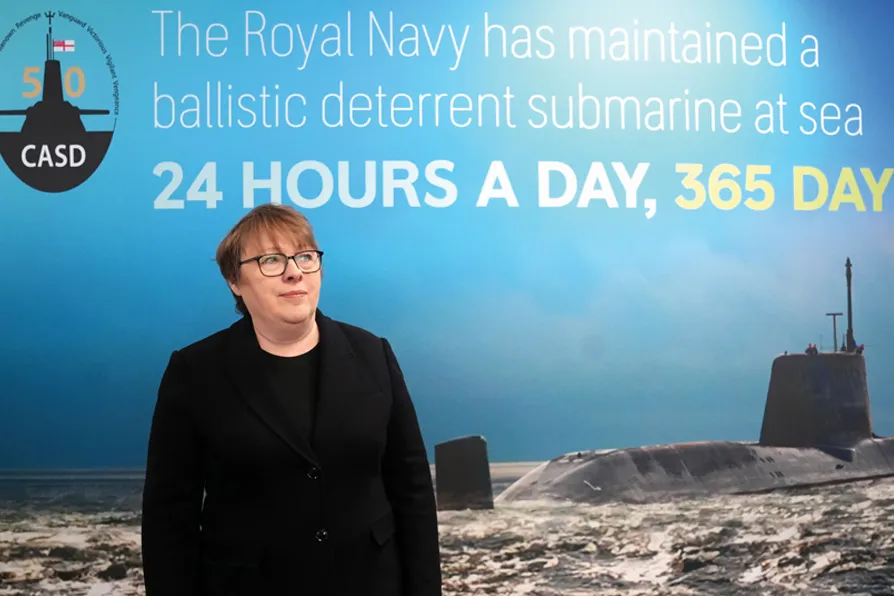
Expanding Britain’s nuclear capability increases the risk of nuclear confrontation. It does not keep us safe – it makes us a target, argues CAROL TURNER

The HS2 debacle exposes what happens when public infrastructure is handed to private contractors – especially when set against China’s state-led high-speed rail success, says CARLOS MARTINEZ
If the government really wanted to address public finances, improve living standards and begin economic recovery, it would increase its borrowing for investment, argues MICHAEL BURKE
CAROL WILCOX argues for the proper implementation of the land value tax, which could see unused plots sold off and landlords priced out of landlordism, potentially resolving the housing and planning crises