Newly revealed documents reveal that MI5 taught Brazilian secret police the techniques deployed by the 1964-85 military dictatorship in horrific prisons like Rio de Janeiro’s House of Death. SARA VIVACQUA reports


 Latest editorial

Merkel’s ‘snow queen’ and Bremen hopes
VICTOR GROSSMAN reports from Germany where the left are in little shape to challenge the increasing militarisation pushed by the moribund coalition of conservatives and social democrats
 German chancellor Angela Merkel
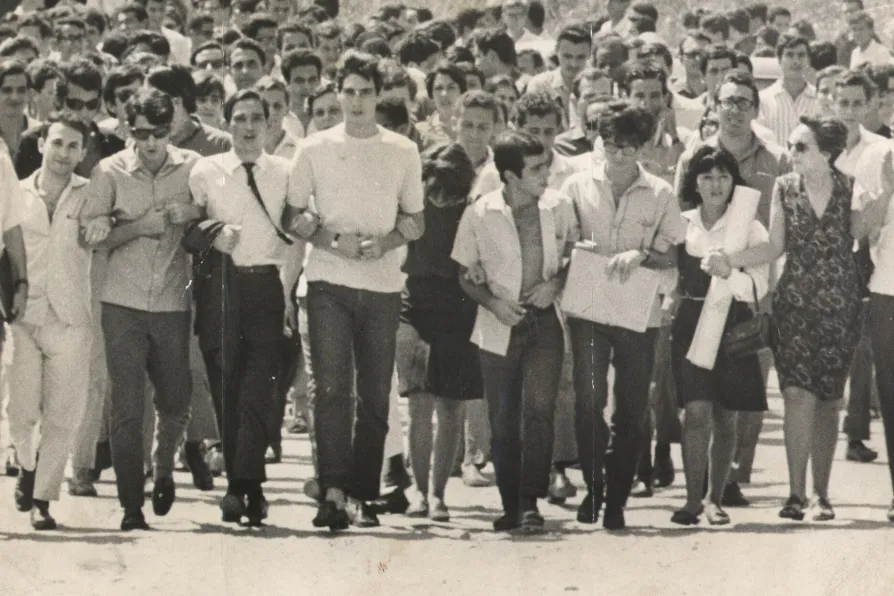
CHRISTOPHE DOMEC speaks to the France Insoumise politician facing constant persecution from French authorities
It can be hard to discern conspiracy theory from reality and under the Trump regime the two might just be the same thing, writes Linda Pentz Gunter
ALAN SIMPSON says responses to the Golders Green attacks risk deepening divides across our country
Capturing the general strikes history is a vital part of our struggles today, posits HENRY FOWLER
On a tumultuous day in Welsh politics DAVID NICHOLSON looks at the key issues for progressives in Wales to grapple with the rise of the far right





THE two vessels which headed every federal German government since 1949 are being sucked into a political maelstrom.
Elections to the European Union‘s Parliament in May gave the “Christian Union” a measly, chilly 28.9 per cent.
Though still Germany’s biggest, its keel is wobbling. With mumbling about Angela Merkel’s views and health (sharp eyes and tongues have twice noted her hands trembling), the hunt is on for a new captain, with no promising candidates in sight.
Its coalition partner, the Social Democrats (SPD), whose turbulent, rarely valiant history traces back to 1869, suffered far deeper immersion in that EU election whirlpool, with only 15.8 per cent. Recent polls give them 13 per cent.

Similar stories

NICK WRIGHT returns to Berlin and finds a city in darkness and political turmoil
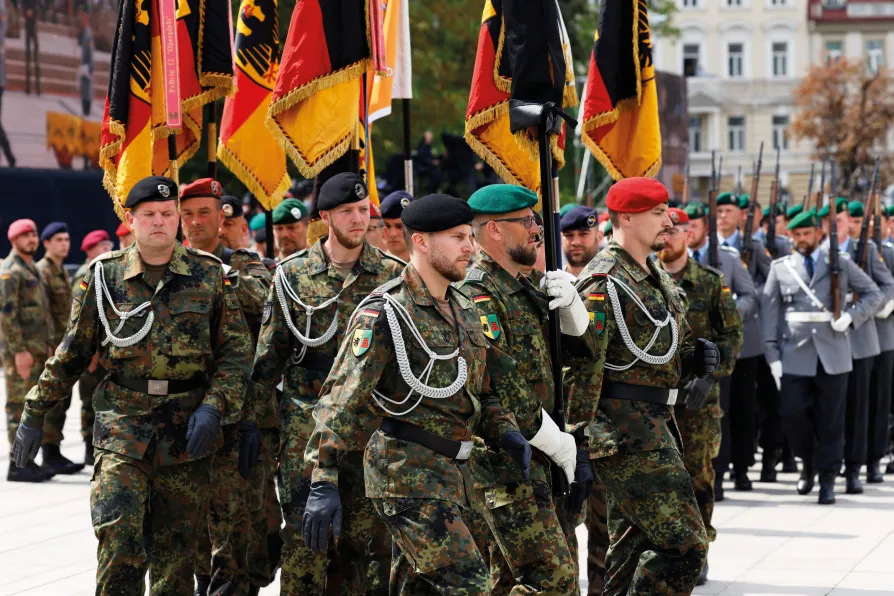
In the first half of a two-part article, PETER MERTENS looks at how Nato’s €800 billion ‘Readiness 2030’ plan serves Washington’s pivot to the Pacific, forcing Europeans to dismantle social security and slash pensions to fund it
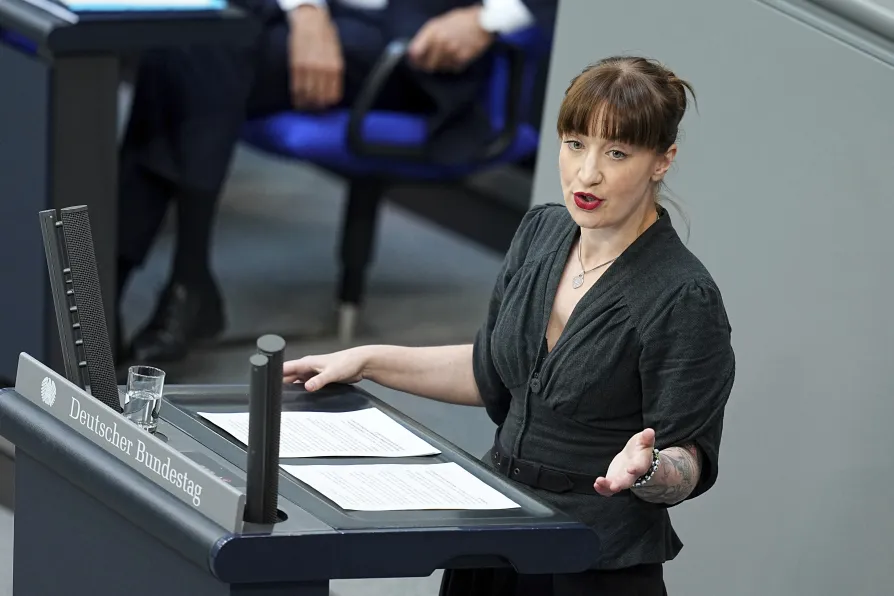
In part two of May’s Berlin Bulletin, VICTOR GROSSMAN, having assessed the policies of the new government, looks at how the opposition is faring

In part one of his Berlin bulletin, VICTOR GROSSMAN assesses the economic and political difficulties facing the new Merz government — and a regrettable ruling-class consensus on the solutions