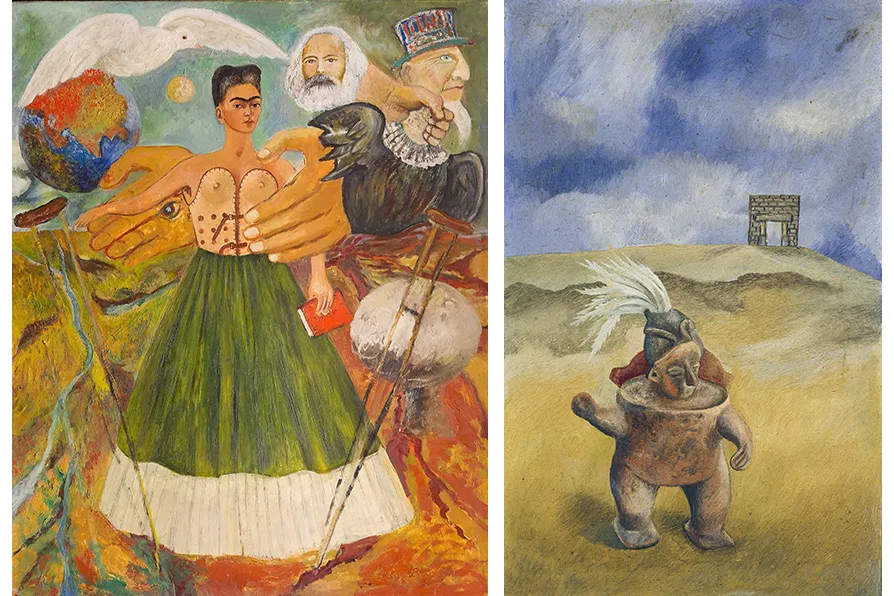
To rescue Kahlo from the clutches of the corporate art market, we need to acknowledge the overt and covert political dimensions of the work, demands GAVIN O’TOOLE


 Latest editorial
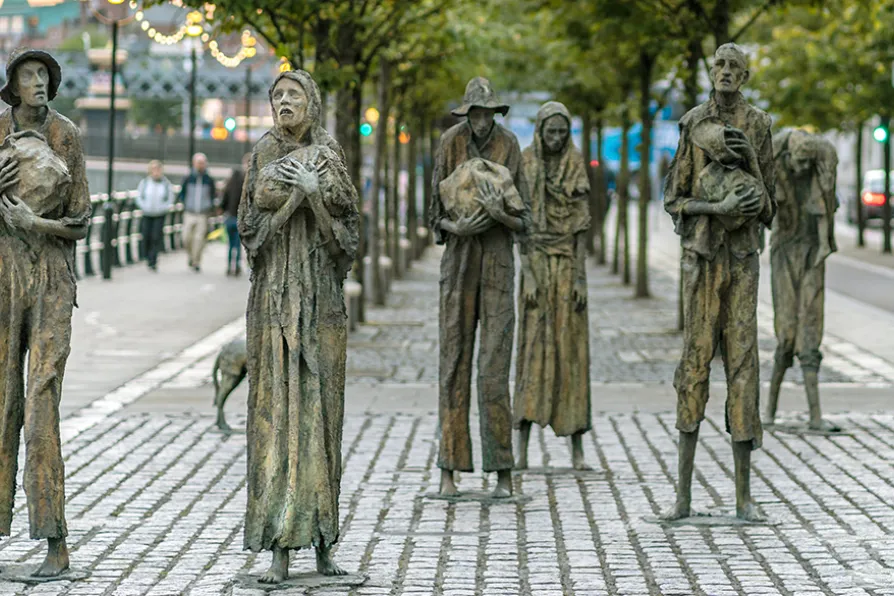
Irish Famine Memorial, Custom House Quay Dublin
If you can see past the relentless commodification you will be rewarded by enormously powerful work, suggests JENNY MITCHELL
CHRIS SEARLE revels in the one-off collaboration between an American polymath and a British Muslim, and detects the presence of their revolutionary forebear
GORDON PARSONS revels in an ebullient production of Shakespeare’s magical comedy
BRENT CUTLER welcomes a thoughtful analysis of the Erdogan regime, viewed through the evolving history of a neighbourhood in Istanbul
GORDON PARSONS regrets the price, but is dazzled by an outstandingly ambitious study of the way art restoration in particular, and culture in general was weaponised by the Nazis





THE POTATO famine in Ireland began in September 1846 and its consequences were so shattering that it is ingrained in the Irish psyche to this very day.
More than a million people died over the following few years, when hunger and disease became omnipresent. Up to a quarter of the population emigrated, mostly to North America.
Although potato blight was the direct cause of the crop failure of Ireland’s staple food, there was also a political dimension which exacerbated the tragedy.
Similar stories
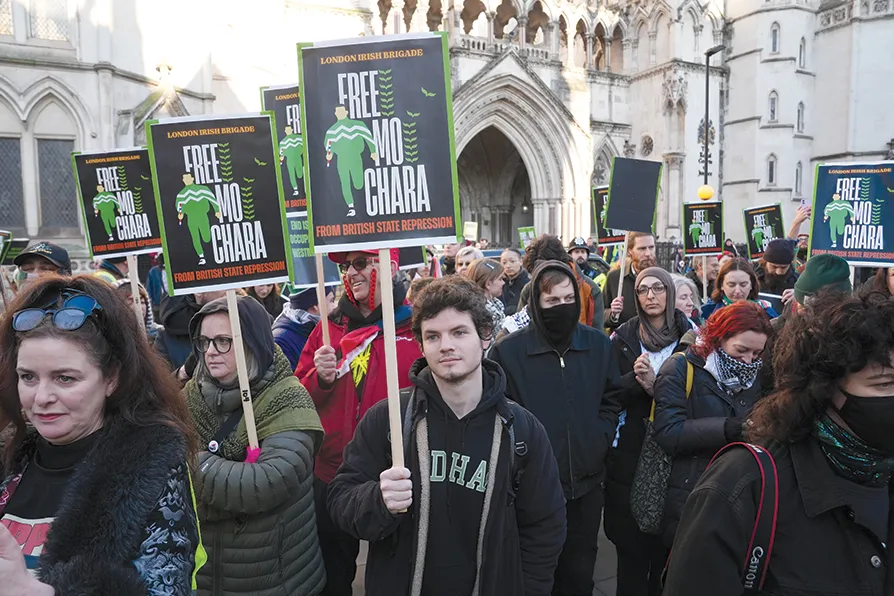
AARON SMITH discusses why the Protestant diaspora are still part of Yeats’s ‘Indomitable Irishry’, and an integral part of any future united Ireland.
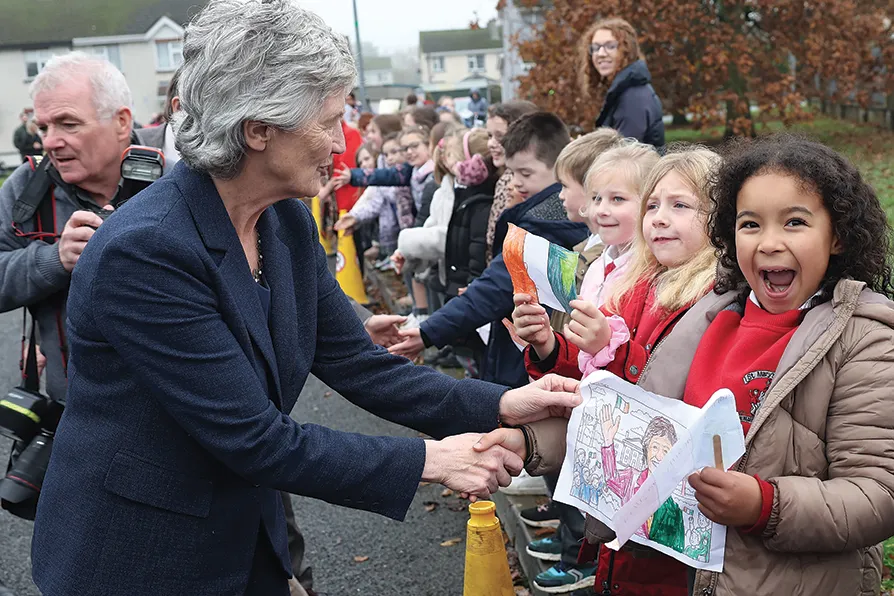
The unifying victory of Irish progressive forces in the presidential campaign should be a salutary lesson to the left in this country, argues MARY GRIFFITHS CLARKE