New releases from Steve Swallow, Neil Young & The Chrome Hearts, and Ady Johnson


 Latest editorial
How the World Works by Paul Cockshott
Bracing overview of human labour from prehistory to the present

When the ravages of Alzheimer’s leave an elderly woman marooned in painful memories of October 1950, her grandchild comes up with a creative strategy.
New releases from Simone White, Brass Funkeys, and Souad Massi
SUE TURNER is compelled by a history that shows how far a country can turn in on itself to collude with abuses of power
RON JACOBS is persuaded by the parallel drawn between Charles Manson and Donald Trump
In this comparison of Britain pre- and post Thatcher, WILL POMORE applauds the analysis, but distrusts the solutions offered
MARIA DUARTE defends a solid, late-career Spielberg conspiracy flick that calls for empathy in a hostile world





HOW the World Works author Paul Cockshott, with his background in computer science and Marxist economics, is well placed to put economic computability into historical materialism and he does so through his account of the historical progression from pre-class society through slave, peasant, capitalist and socialist economies to a consideration of what sort of constraints will define the economies of the future.
Throughout, the author uses the abstractions of technology and population to make quantitative assessments of what was necessary and what was possible in a given society. At each point, he asks what technology was available, how much could it achieve, how many people did it require and how many could it feed and house?

Similar stories
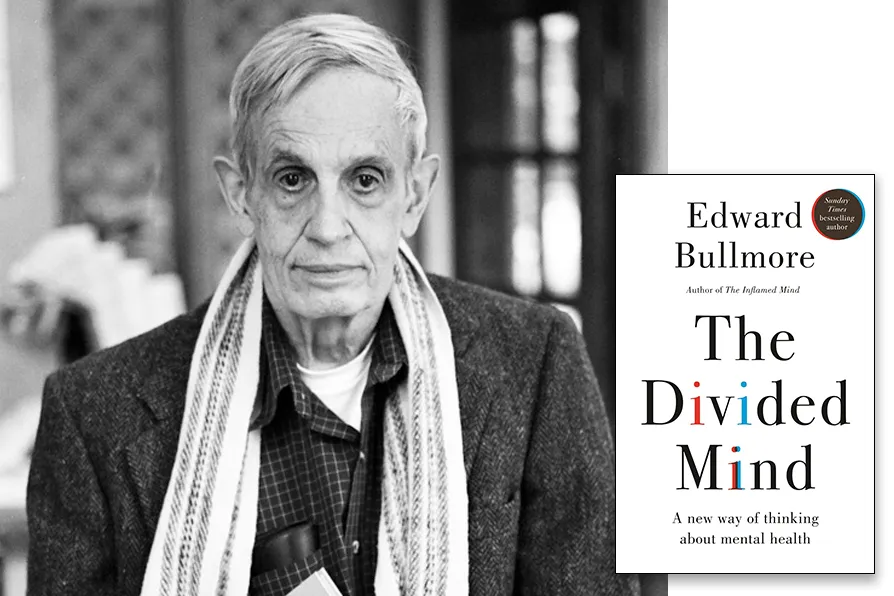
RICHARD SHILLCOCK examines an enjoyable, but philosophically conventional book, and urges Marxists to employ their capacity to embrace the totality in any explanation
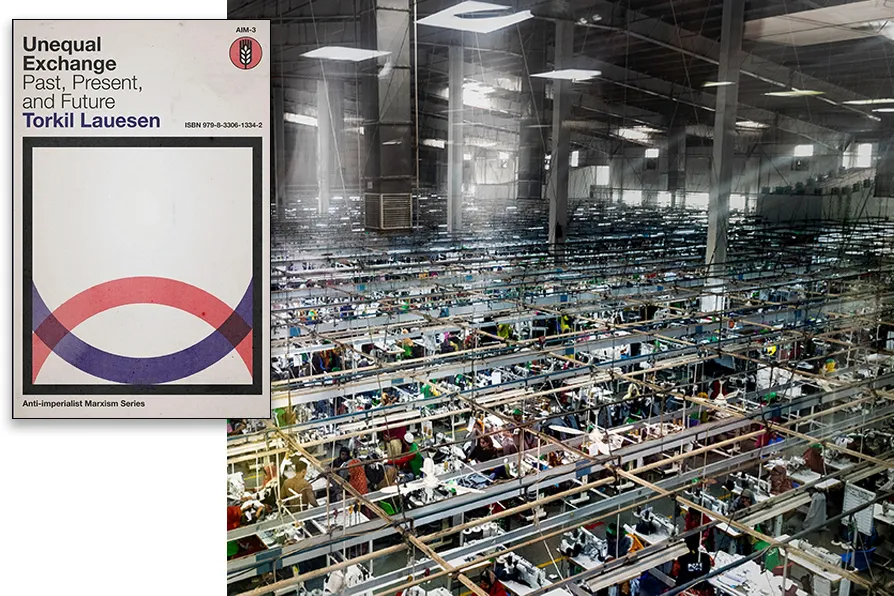
MARTIN GRAHAM welcomes, with reservations, a scholarly addition to the unfinished business of understanding how capital works on a world scale
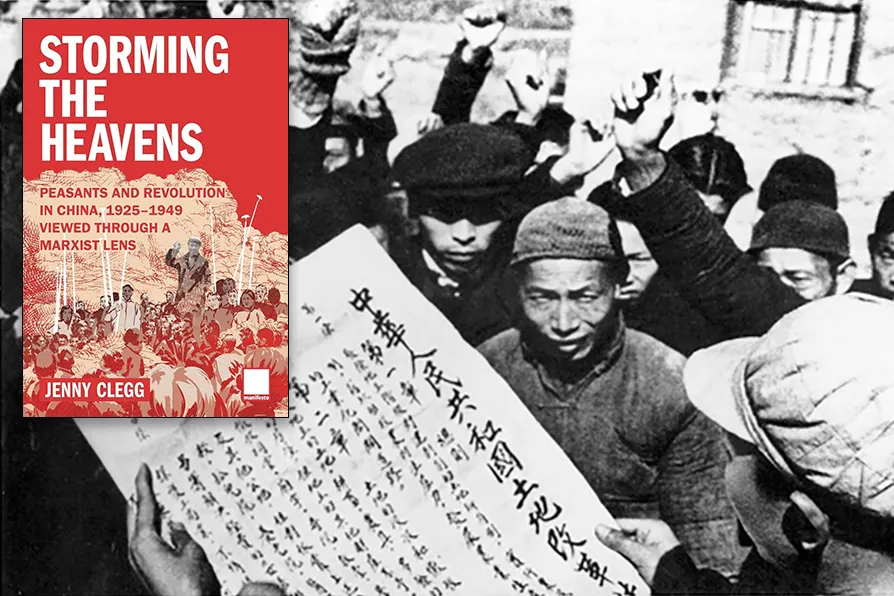
BEN CHACKO welcomes a masterful analysis that puts class struggle back at the heart of our understanding of China’s revolution
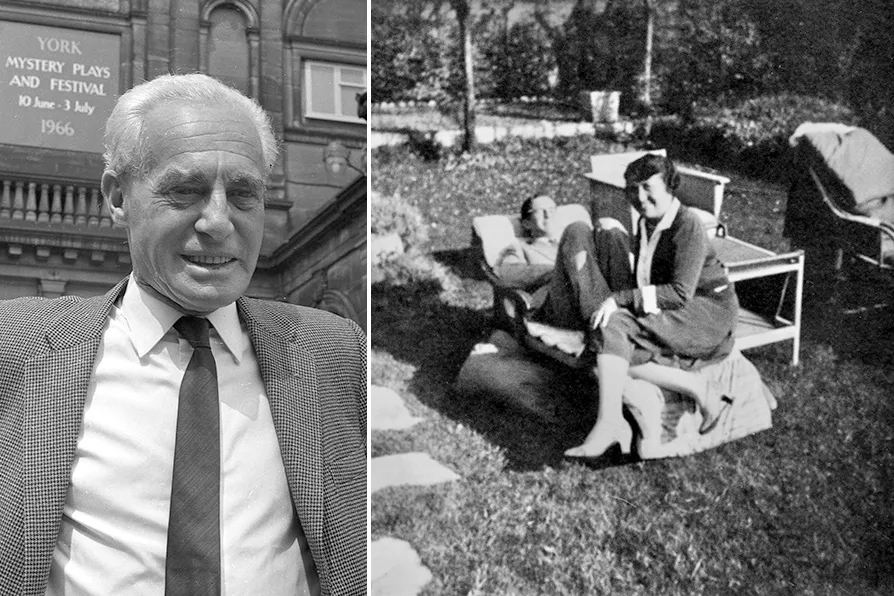
The creative imagination is a weapon against barbarism, writes KENNY COYLE, who is a keynote speaker at the Manifesto Press conference, Art in the Age of Degenerative Capitalism, tomorrow at the Marx Memorial Library & Workers School in London