To rescue Kahlo from the clutches of the corporate art market, we need to acknowledge the overt and covert political dimensions of the work, demands GAVIN O’TOOLE


 Latest editorial
Holocaust Memorial, Judenplatz, Vienna
Concrete reminder of nazi atrocities against Jews during WWII
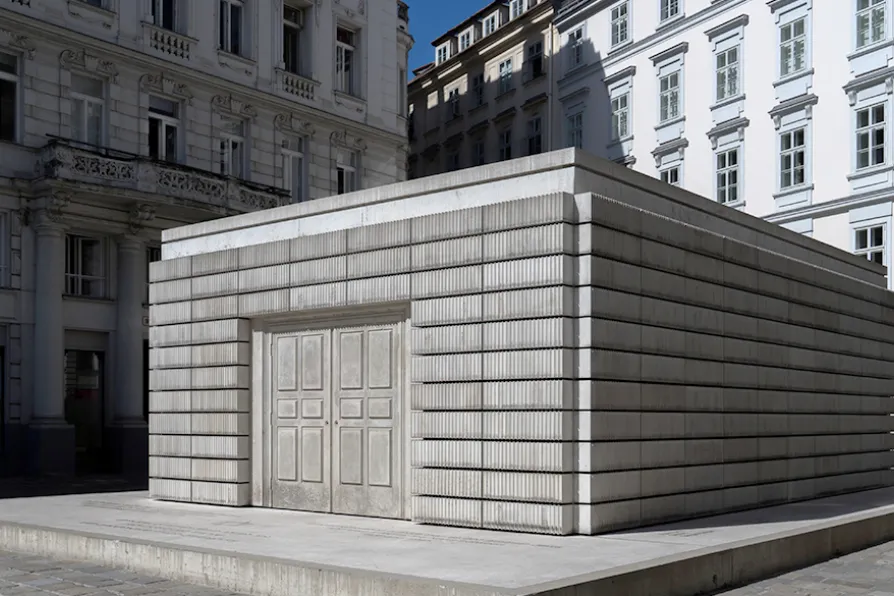 [Thomas Ledl/Creative Commons]
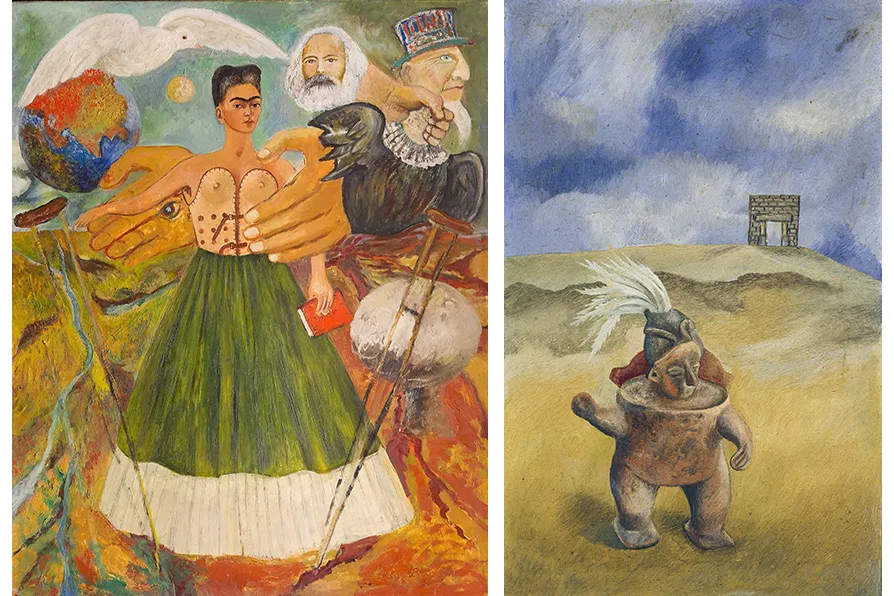
If you can see past the relentless commodification you will be rewarded by enormously powerful work, suggests JENNY MITCHELL
CHRIS SEARLE revels in the one-off collaboration between an American polymath and a British Muslim, and detects the presence of their revolutionary forebear
GORDON PARSONS revels in an ebullient production of Shakespeare’s magical comedy
BRENT CUTLER welcomes a thoughtful analysis of the Erdogan regime, viewed through the evolving history of a neighbourhood in Istanbul
GORDON PARSONS regrets the price, but is dazzled by an outstandingly ambitious study of the way art restoration in particular, and culture in general was weaponised by the Nazis





RIGHT in the heart of Vienna sits Judenplatz (Jewish Square), an area where Jews began to settle in about 1150.
Eight hundred lived there by 1400, including merchants, bankers and scholars. But the pogroms instigated by Duke Albrecht V in 1421, culminating in the last 200 being burned alive on a pyre, obliterated the Jewish presence for the next two centuries.
That obliteration resumed just over 500 years after Judenplatz got its name and eight months after Austria’s Anschluss (“reunification”) with Nazi Germany.
Similar stories
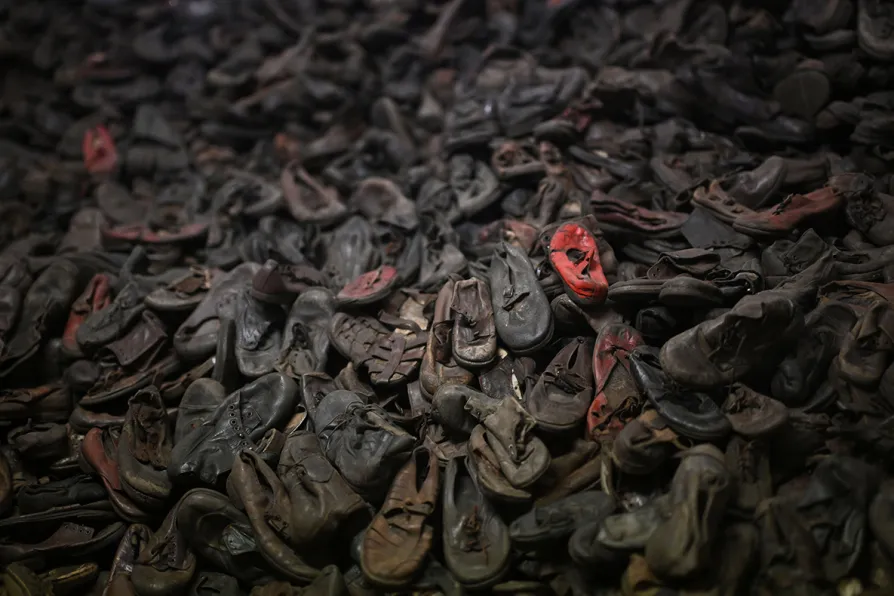
On May 16 1944, Romani families in Auschwitz-Birkenau armed themselves with stones, tools, and sheer collective will, forcing the SS to retreat – leaving a legacy of defiance that speaks directly to the fascisms of today, says VICTORIA HOLMES
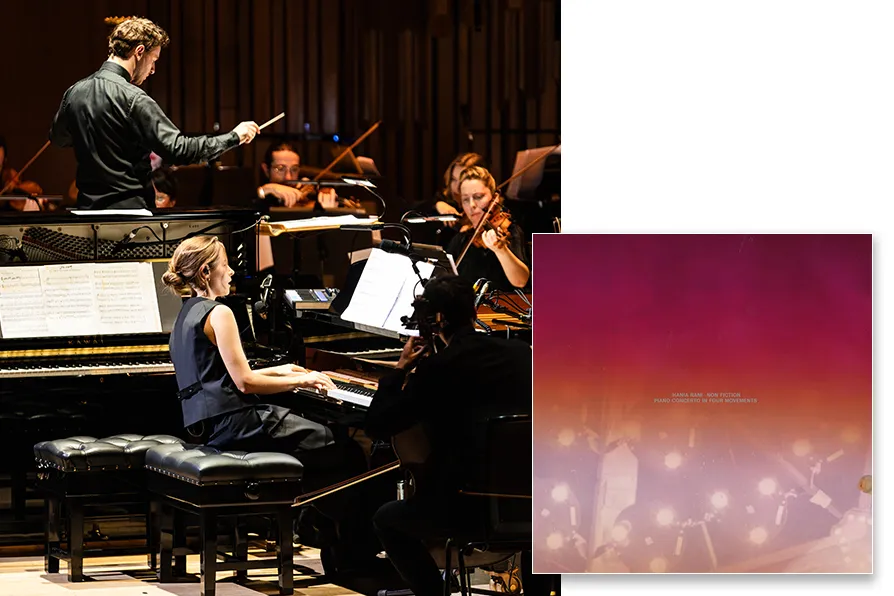
WILL STONE witnesses an experimental piano concerto inspired by the work of a young Jewish victim of the Nazis
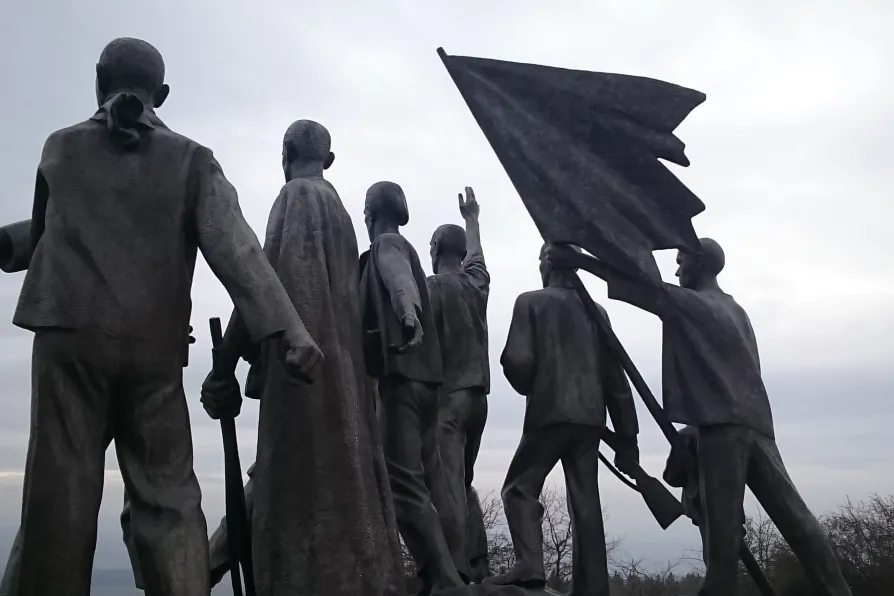
The decision highlights the tension between freedom of expression and the state’s role in shaping historical memory at former concentration camps, reports LEON WYSTRYCHOWSKI