Green Party deputy leader MOTHIN ALI, who will speak at the International Anti-War Conference in London on June 20, says Britain needs to rethink its priorities – and its allies


 Latest editorial
Burning issues
A new study has found that forests destroyed by wildfires emit carbon long after the flames die, with implications for post-fire management, write NATASCHA KLJUN and JULIA KELLY
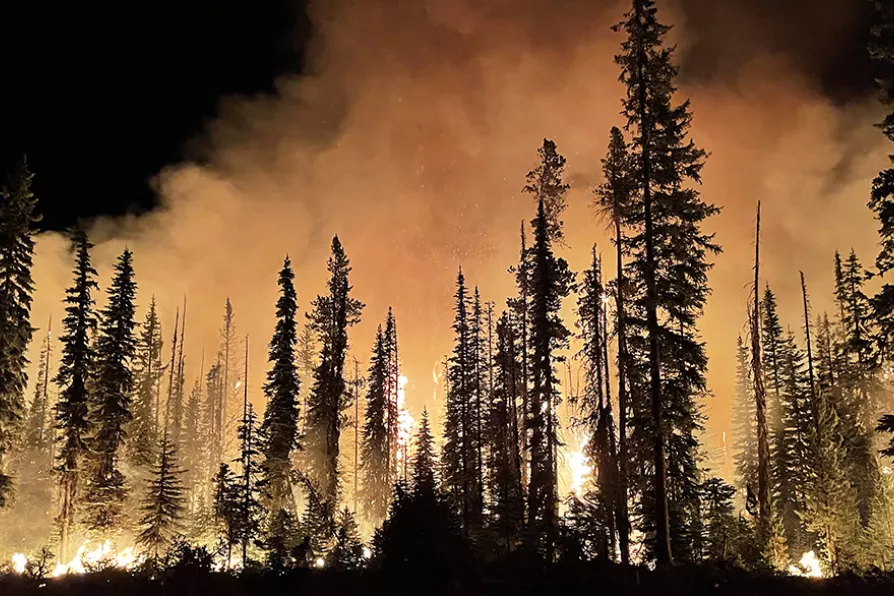 ONLY THE BEGINNING: Forest fire at Umatilla National Forest, Pacific Northwest Region in 2021
[Brendan O'Reilly/CC]
ONLY THE BEGINNING: Forest fire at Umatilla National Forest, Pacific Northwest Region in 2021
[Brendan O'Reilly/CC]

From Global Counsel to Arden, SOLOMON HUGHES finds firms linked to discredited politicians are still calling the shots in Britain
KEVIN COURTNEY explains why Reform UK is no friend to workers or trade unions, but just another party of the super-rich
EMMA DENT COAD explains why she is stepping down from the council after 20 years and how the legacy of the fire still haunts the area
While international attention focuses on ceasefire frameworks, Israel is openly advancing plans for a permanent expansion of its control over Gaza, writes RAMZY BAROUD
Researchers PAUL HOLDEN and JESSICA MURRAY are calling for whistleblowers and documentary records to uncover how Labour Together helped build the parliamentary majority that now dominates the Labour Party





EVEN in Earth’s high northern-latitude forest, climate change is predicted to make wildfires more frequent and severe.
Earth’s far north hosts the boreal forest, a vast green belt that stretches from North America to Siberia. The boreal forest is one of the world’s largest CO₂ sinks. Over the past few thousand years it has removed around one trillion tonnes of carbon from the air, storing it in the trees and soil. Because of the large amount of carbon stored in the boreal forest, fires here can release much more CO₂ into the air than forest fires elsewhere, amplifying climate change.

Similar stories
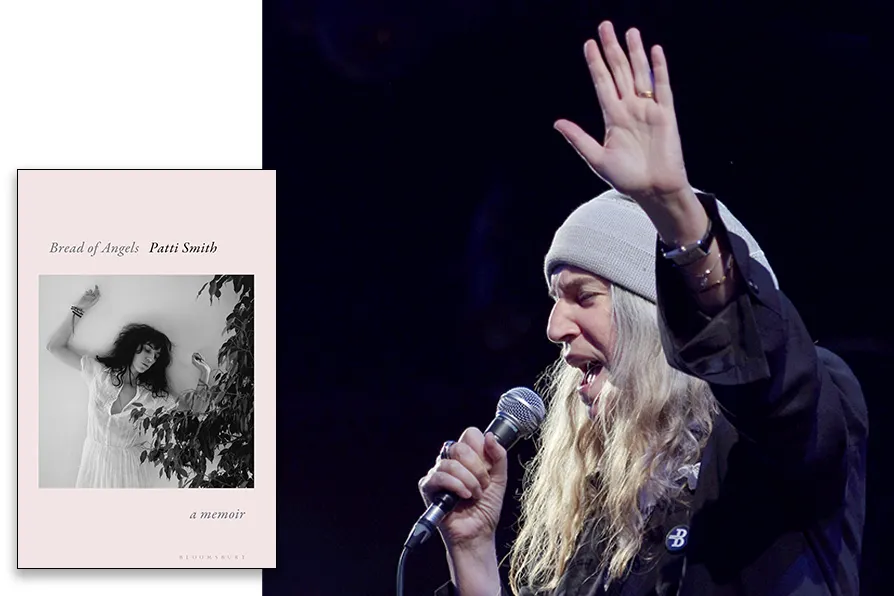
JULIA TOPPIN recommends Patti Smith’s eloquent memoir that wrestles with the beauty and sorrow of a lifetime
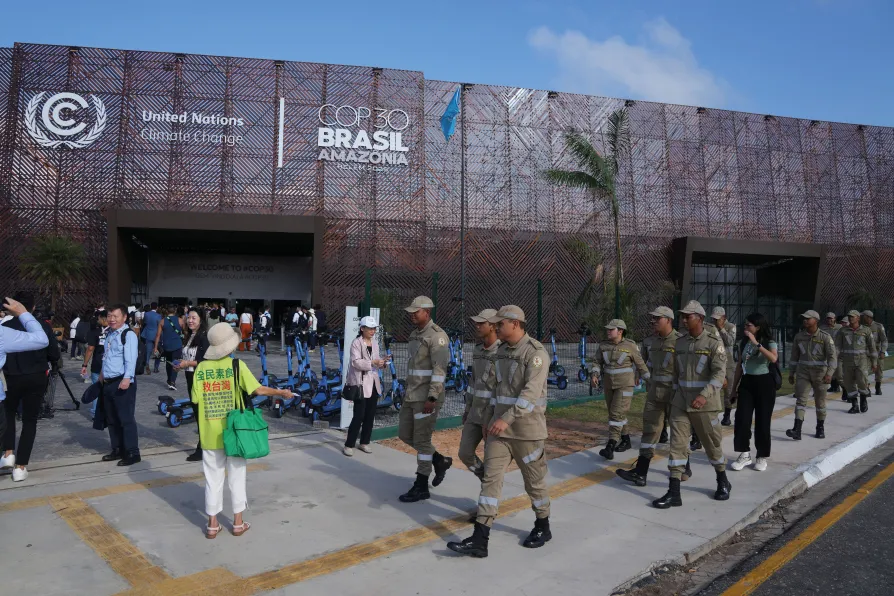
Reaching co-operation is supposed to be the beginning, not the end, of global climate governance, argues LISA VANHALA
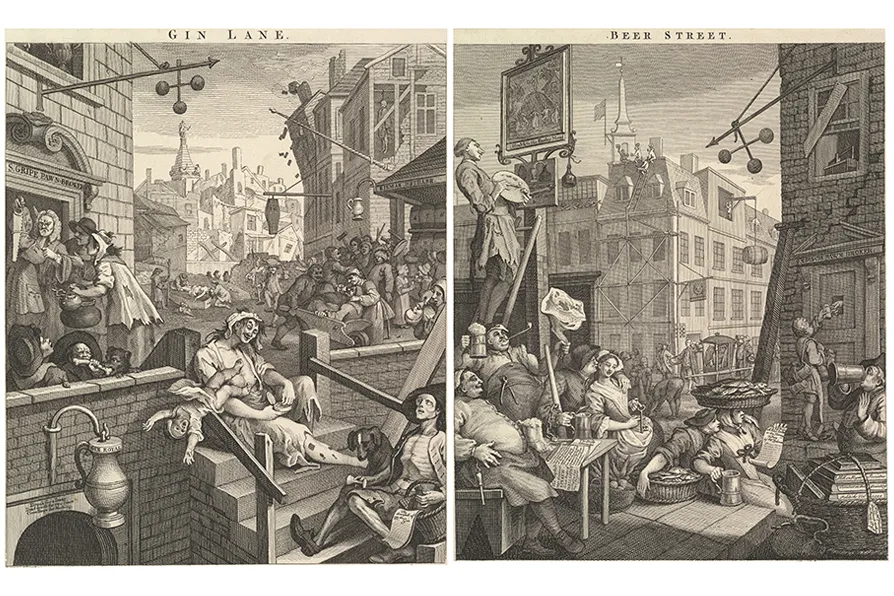
Gin Lane by William Hogarth is a critique of 18th-century London’s growing funeral trade, posits DAN O’BRIEN

BLANE SAVAGE recommends the display of nine previously unseen works by the Glaswegian artist, novelist and playwright