To rescue Kahlo from the clutches of the corporate art market, we need to acknowledge the overt and covert political dimensions of the work, demands GAVIN O’TOOLE


 Latest editorial
A bonanza of the best LatinX literature
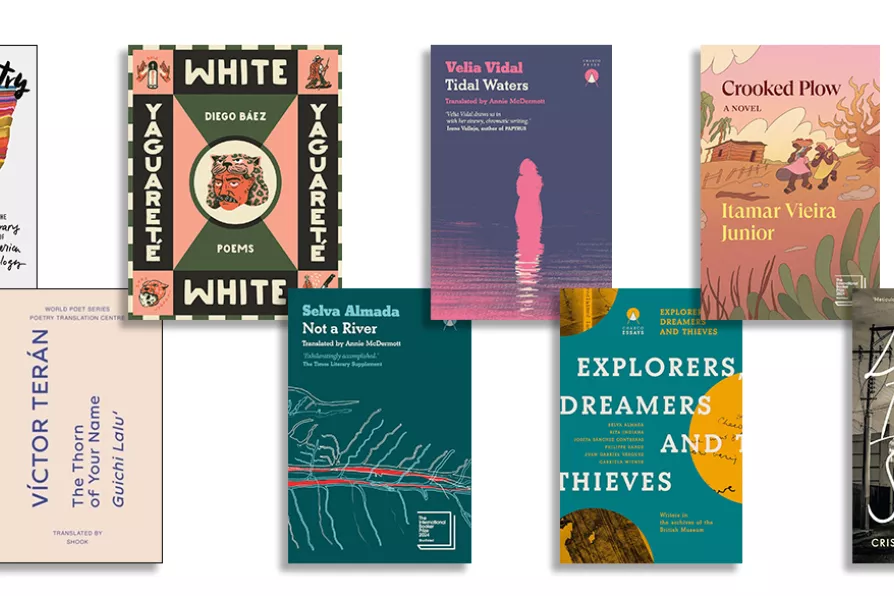
LEO BOIX selects the best books of fiction, poetry, and non-fiction written by Latinx and Latin American authors published this year
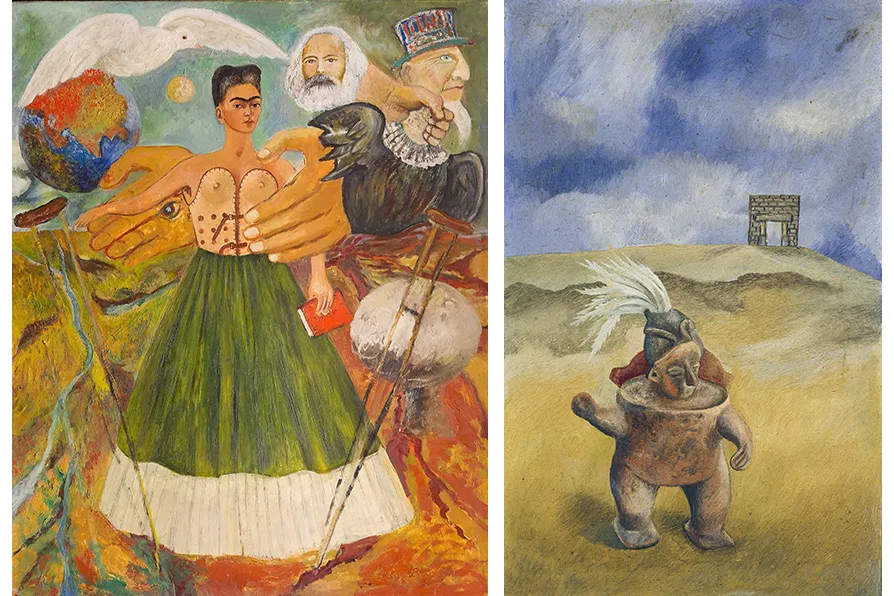
If you can see past the relentless commodification you will be rewarded by enormously powerful work, suggests JENNY MITCHELL
CHRIS SEARLE revels in the one-off collaboration between an American polymath and a British Muslim, and detects the presence of their revolutionary forebear
GORDON PARSONS revels in an ebullient production of Shakespeare’s magical comedy
BRENT CUTLER welcomes a thoughtful analysis of the Erdogan regime, viewed through the evolving history of a neighbourhood in Istanbul
GORDON PARSONS regrets the price, but is dazzled by an outstandingly ambitious study of the way art restoration in particular, and culture in general was weaponised by the Nazis





The year 2024 has proven remarkable for Latinx and Latin American fiction, poetry, and non-fiction, featuring an extensive range of literary works that have exceeded all expectations.
Latino Poetry: The Library of America Anthology, edited by Rigoberto Gonzalez (Library of America, £30), is the first to encompass Latinx poetry from colonial to contemporary works. Featuring over 180 poets and an insightful introduction by Gonzalez, this collection showcases diverse voices, themes, languages, and stories. “‘Latino’ is a complex term with no single narrative. This anthology transcends stereotypes, reflecting the richness of Latino poetry,” writes Gonzalez. Highlights include poems by Ernesto Cardenal, Cecilia Vicuna, and Javier Zamora. In Zamora's poignant El Salvador, he expresses: “Tonight, how I wish/ you made it easier to love you, Salvador. Make it easier/ to never have to risk our lives.”
An exceptional anthology.

Similar stories
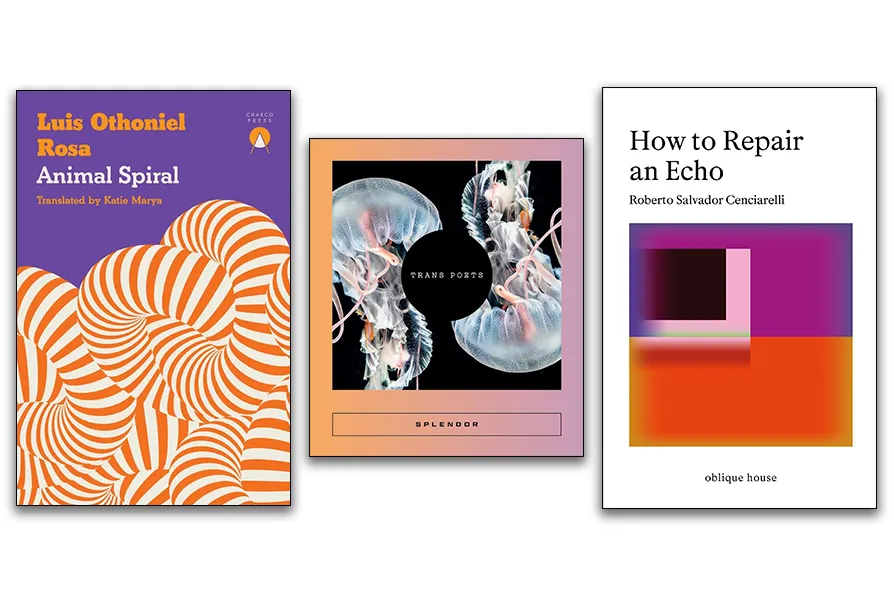
From post-human revolution in Puerto Rico to trans poetics and queer mythmaking, these three books that imagine new ways of being together
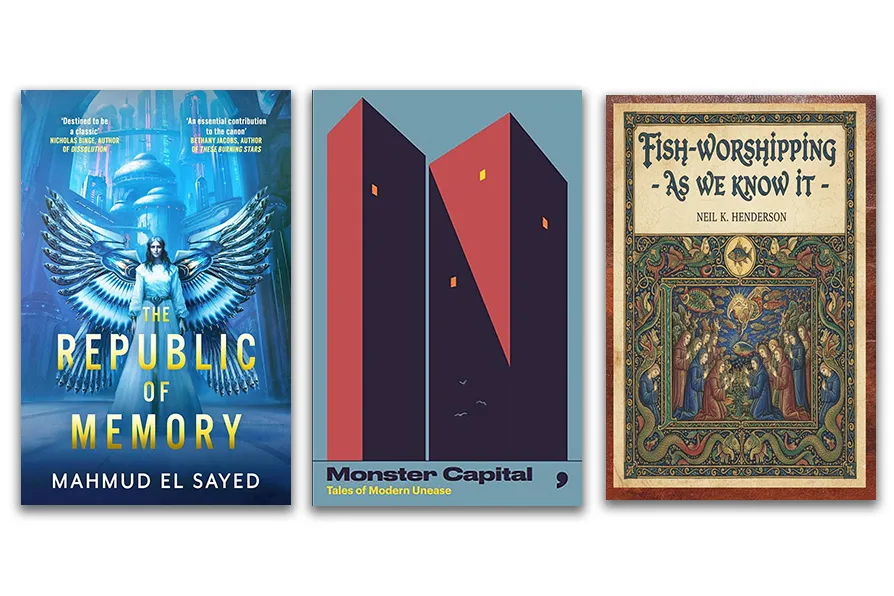
Do frozen colonists carry the virus of empire? Why is monstrosity a great way to describe capital? Was God a dustman?
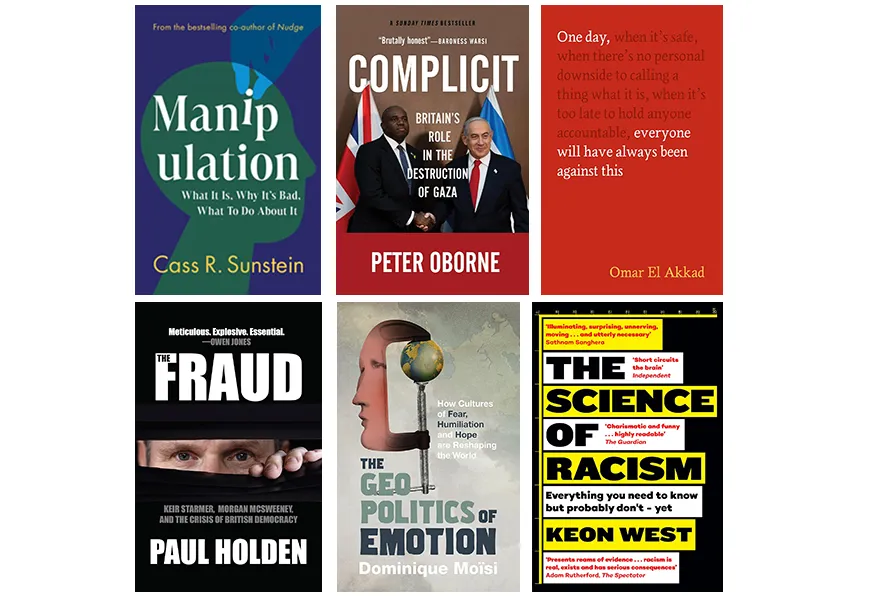
Looking for moral co-ordinates after a tough year for rational political thinking and shared human morality
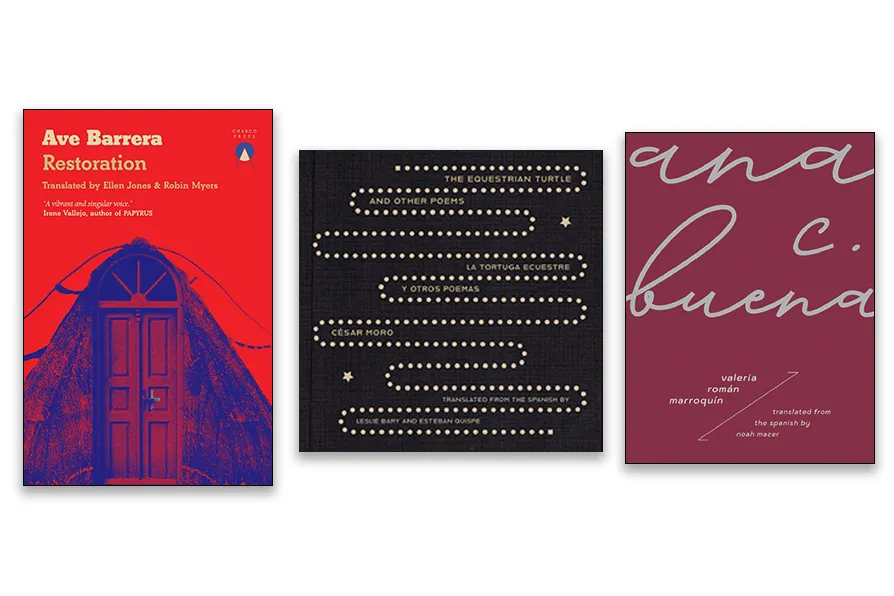
A ghost story by Mexican Ave Barrera, a Surrealist poetry collection by Peruvian Cesar Moro, and a manifesto-poem on women’s labour and capitalist havoc by Peruvian Valeria Roman Marroquin