All the evidence shows voters want Labour to shift to the left — but initial signs from Andy Burnham are worrying on that front, cautions DIANE ABBOTT


 Latest editorial
Barriers still remain for women in the media
From sexual harassment, to ageism, to having your ideas discounted by men, it’s tough being a female journalist today, says LYNNE WALSH
ANDY McDONALD MP says Labour must show it is capable of delivering real improvements in people’s lives — bold action is required
ANGUS REID and ANDREW JOHNSTONE report on an initiative that we must take this summer
ALLISON FEWTRELL on what Plaid Cymru's historic election victory means for the communities being failed by Wales’s housing crisis, and four things the new government can do right now
France Insoumise MP JEROME LEGAVRE speaks to Christophe Domec on building the Europe-wide peace movement that came together in the International Conference Against War last weekend
At last weekend’s International Conference Against War, LINDA PENTZ GUNTER talks to the Palestinian physician and politician about the struggles ahead to achieve a truly free Palestine





THERE are few things that sink the heart of an ageing feminist more than seeing youngsters going though the same old discrimination.
Girls and young women are keen to try journalism as a career. Good. They’re getting places on college and university courses. Good. Apprenticeships are not available, as they were in my day (Oh, heck, I’m only a few sentences in, and I’ve said ‘in my day.’ I’d hoped to avoid that.) Not so good. But girls see media work as worthwhile and exciting. Very good.
But too many women do not stay in the trade. Many are leaving, and there’s insufficient data to tell us why. Some would leap to the conclusion that women take time off from their careers, to make babies.
Well, yes, in some cases, naturally. That’s not the all-embracing answer, though. There are other reasons; they’re deeper, darker, and we need to understand them.
I asked a lot of female journos how they felt about their chosen profession. The responses varied, according to generation, area of work and personal experience.
Main comments: some had bad experiences when they’d gone on maternity leave. It hadn’t been easy, returning to work, and some had found their responsibilities — or their place in the pecking order of commissions and bylines — had been lost.
Some had suffered sexual harassment, and been through the whole ragbag of emotions and reactions, with many being unaware that this could, or should, be reported.
Ageism loomed large. Women with decades in the job spoke of their experience as having less currency than men’s.
Personally, I’ve lost count of the times it’s been assumed that I’m returning to work after raising a family. The truth, of a child-free 40 years of work, re-learning my trade through every gift and curse of technology, seems to come as a shock.
A few young female students at a local university made an interesting point, that they were ignored when challenging male colleagues on news values.

Similar stories
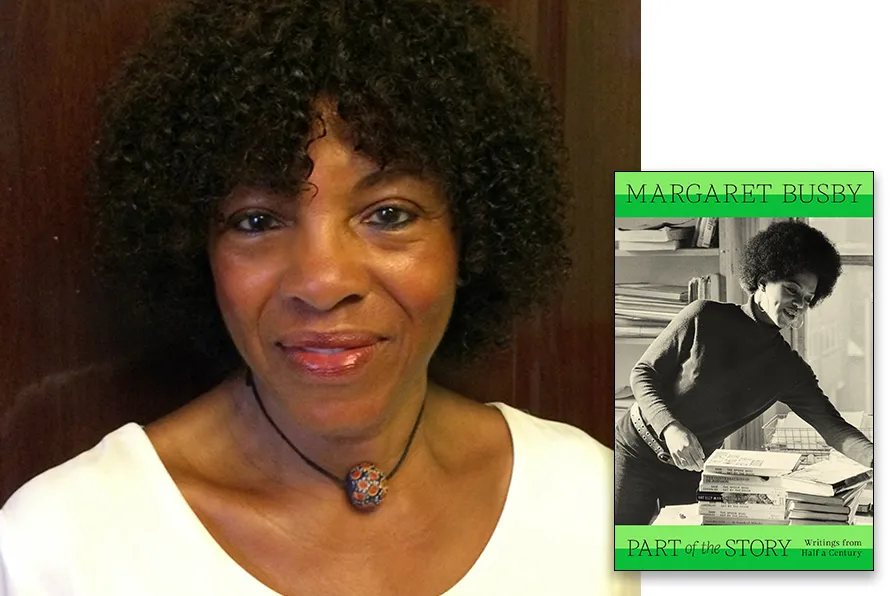
PETER MASON welcomes collected writings from Britain’s first black female publisher that focus on the place of black writers in literature
ANNA FISHER explores what would it mean for women’s equality and public safety if Britain embraces full commercialisation of the sex trade
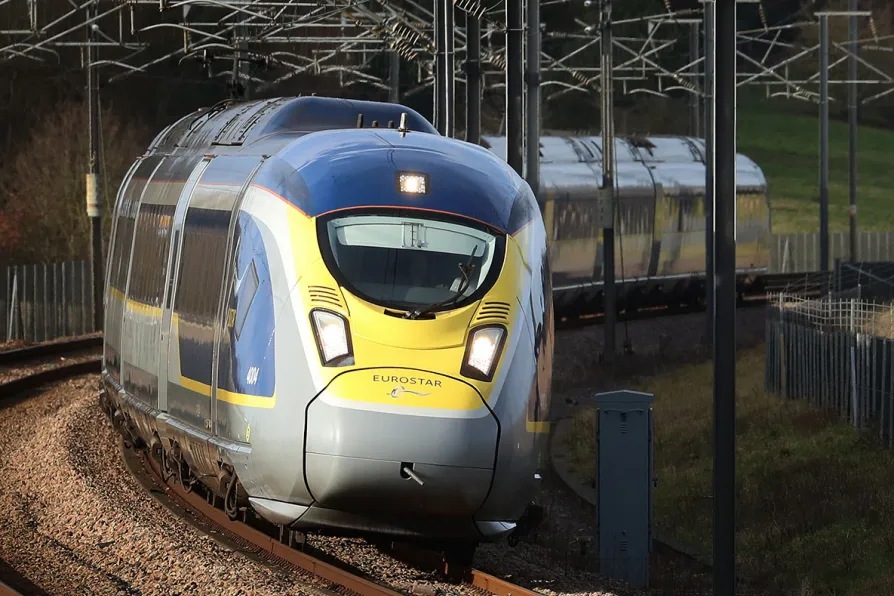
Sexual harassment on Britain’s railways is rising sharply, according to the British Transport Police, yet too many women still feel reporting is futile. LYNNE WALSH asks why the burden of safety all too often remains on women themselves
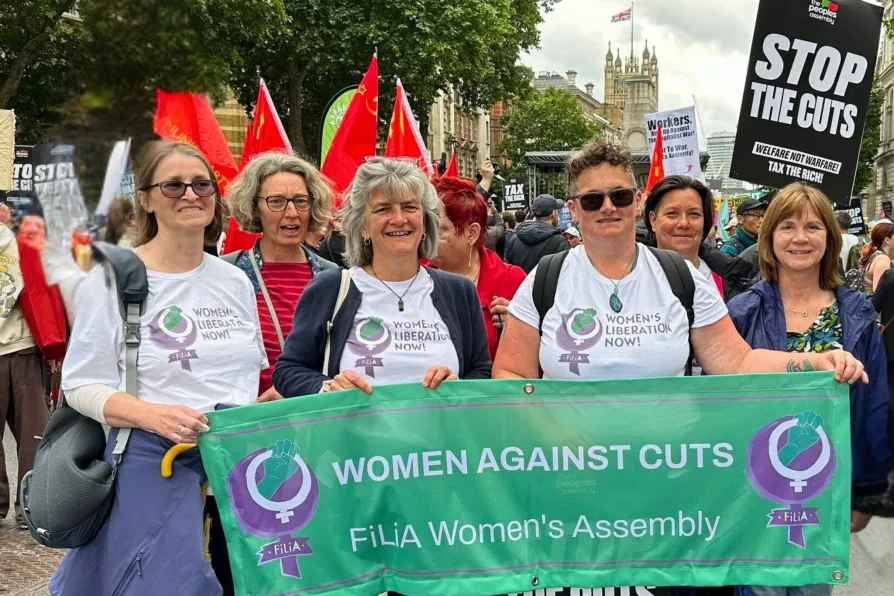
Women are a vital part of the labour movement and have much to contribute, but there’s far more to be done to make sure that our sisters’ voices are truly heard, says PHILIPA HARVEY