To rescue Kahlo from the clutches of the corporate art market, we need to acknowledge the overt and covert political dimensions of the work, demands GAVIN O’TOOLE


 Latest editorial
Wound Up
By John Foggin
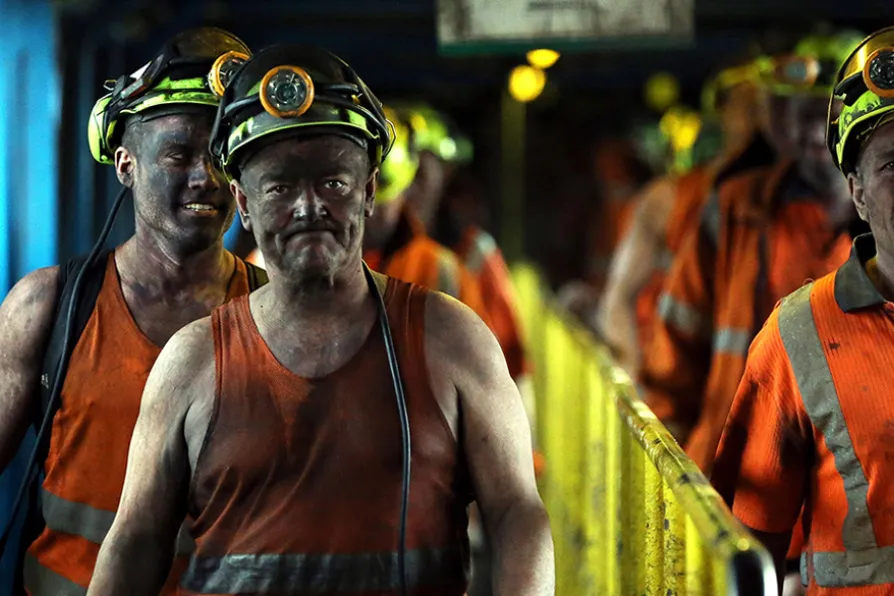 Miners come off the last shift at Kellingley Colliery in Knottingley, North Yorkshire on the final day of production, December 18 2015
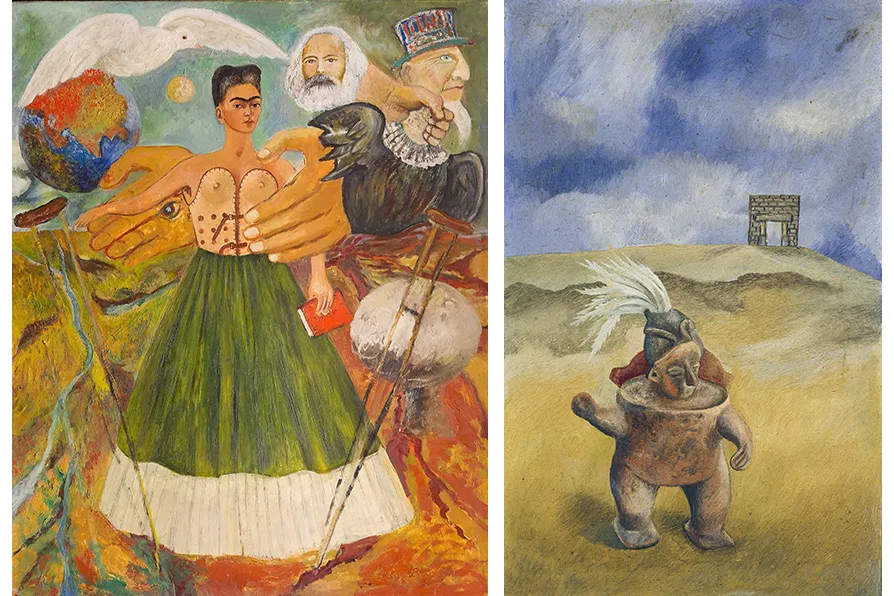
If you can see past the relentless commodification you will be rewarded by enormously powerful work, suggests JENNY MITCHELL
CHRIS SEARLE revels in the one-off collaboration between an American polymath and a British Muslim, and detects the presence of their revolutionary forebear
GORDON PARSONS revels in an ebullient production of Shakespeare’s magical comedy
BRENT CUTLER welcomes a thoughtful analysis of the Erdogan regime, viewed through the evolving history of a neighbourhood in Istanbul
GORDON PARSONS regrets the price, but is dazzled by an outstandingly ambitious study of the way art restoration in particular, and culture in general was weaponised by the Nazis





Last shift, winding up.
Half a million years a metre,
faster than light they come
out of the sparkling dust
of ancient ferns, of seeds, of crinoids
pressed thin as frostleaves in the seam;
out of an ancient England,
a polar world of icecaps rising,
falling; a tropic land under a moon
come close and huge;
an England slipping north
on the shift of continents,
up through compacted tailing
of the silt and grit of worn-down ranges,
winding up into light,
into the sky of England, now.
Time travellers, they come blinking
at exploding flowers of flashbulb fire;
minstrel-eyed, with red wet mouths,
black faces estuaried with sweat.
They walk heavily like warriors.
Slab-muscled, in filthy orange vests,
steel booted, in buckled metal greaves,
webbing belts, and battery packs
and helmets, here they come.
They could have fought
at Towton, Adwalton Moor, Orgreave.
They check out their brass tokens
For the last time; officially they are alive.
They will check in their gear,
sit in the hot rain of the shower,
and if they weep, no-one will see.
They will not say much.
They have been wound up out of history
into this moment. Into England now.
Of the future they can say nothing at all.

Similar stories
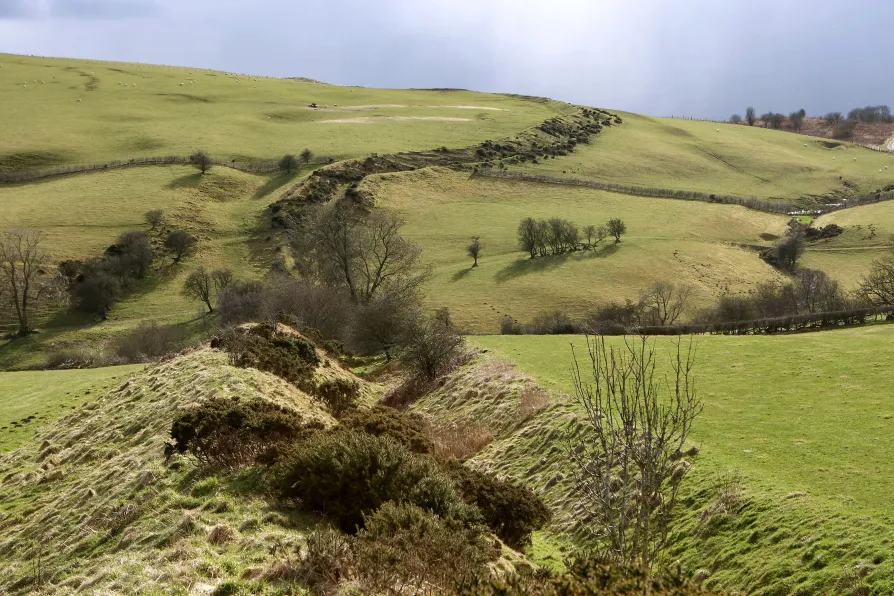
In his fortnightly Borderlands column, MARK SEDDON visits overgrown forts along Offa’s Dyke and reflects on wars past and present
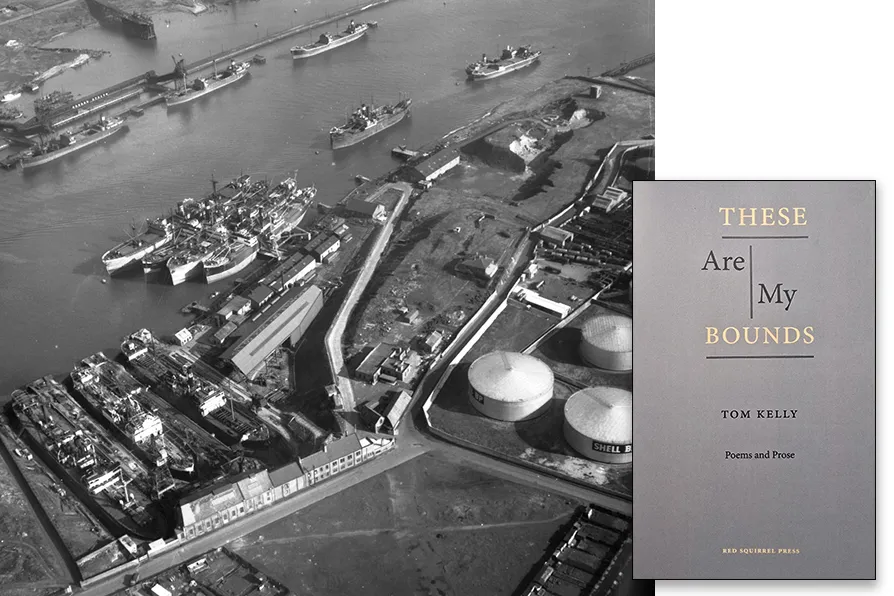
ALAN MORRISON recommends a consummate, heart-warming collection about a working-class upbringing in the industrial north-east
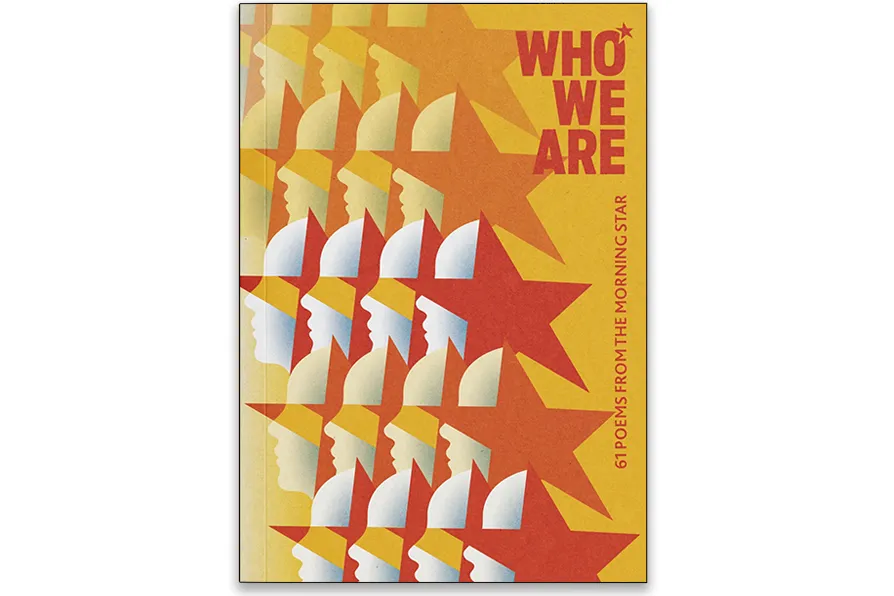
ANDY CROFT welcomes the publication of an anthology of recent poems published by the Morning Star, and hopes it becomes an annual event
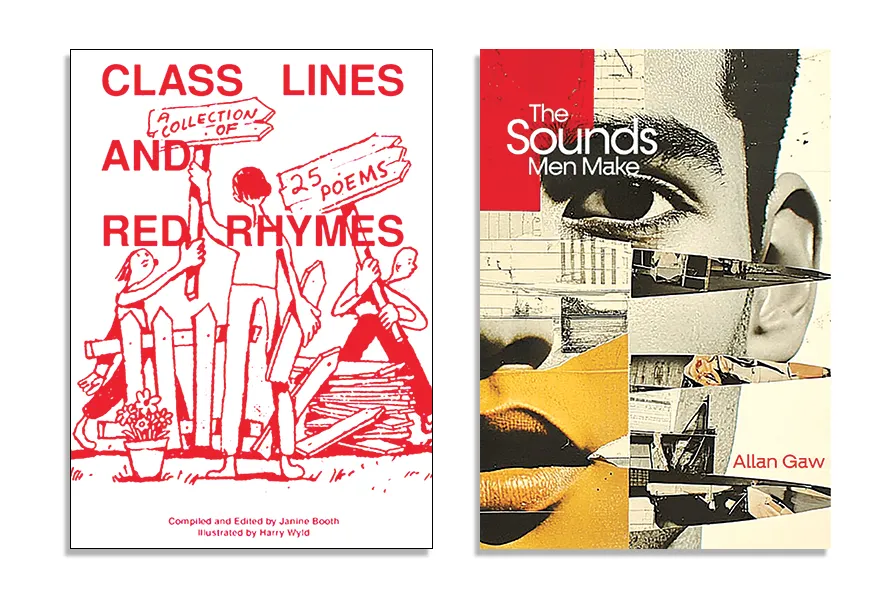
RUTH AYLETT reviews two collections of outright political poetry