
The Morning Star publishes the speech by writer and editor JULIA BARD of the Jewish Socialists’ Group given at the paper’s annual conference at the weekend


‘Netanyahu made me do it’
It’s myopic to suggest that fascist ideology has been ‘imported’ into Britain and could not possibly be home-grown, argues JULIA BARD
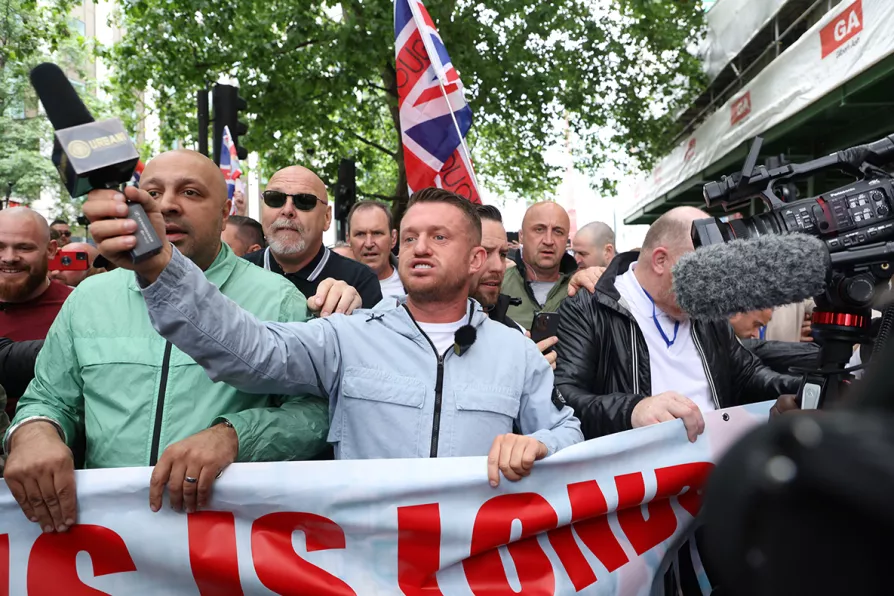
 Tommy Robinson (centre), whose real name is Stephen Yaxley Lennon, leads a march through London to Parliament Square, June 1, 2024
Engels’ essay on our origins and distinctiveness built on Darwin’s own exploration of human evolution and has provided a framework for exploration and research which has stood the test of time, declares the Marx Memorial Library and Workers’ School
ANSELM ELDERGILL looks at the legality of the wars in the Middle East and the means used to fight them. It is said that truth is the first casualty of war, so what is the truth with regard to the legality of America’s and Israel’s wars in Iran, Palestine and Lebanon?
Long before modern labour movements, England’s farmworkers fought back against their oppression – and for some, like Elizabeth Studham, the price was exile to Australia. MAT COWARD tells the story
As world leaders posture and local politicians bore, voters are left with a grim choice: despair, disengage — or start imagining something better, says MATT KERR
CARLOS MARTINEZ reports on China’s role in helping Cuba develop self-sufficiency in renewable energy, which would shield it from the sort of pain Donald Trump is inflicting with his oil blockade





THE press and social media are awash with attempts to analyse far-right figurehead Tommy Robinson’s mass mobilisations over the last few months and the riots in the wake of the murder of three children in Southport. There’s a lot we don’t know about the perpetrators of the violence, but there’s also a lot we do know about the far-right and fascist ideologues who supported them.
What we should know from the history of the last century is that the rise of fascism is not easy to make sense of because its explanations for people’s problems, conflicts and fears relate to their real, everyday lives in shifting contexts. Nevertheless, some groups have an interest in treating fascism as though it is detached from “normal” life — a foreign import, like dragon’s teeth planted by outsiders, whose violent consequences we are left to reap.
In the current outbreak of violence, mainstream spokespeople for the state, like former MI6 spy, Christopher Steele, blame money, misinformation and the Russians. Supposedly dissident commentators, like David Miller and Lowkey, blame money, manipulation and the Israelis.
Similar stories

SYMON HILL looks at Tommy Robinson’s bid to use Christmas to spread division and hate — and reminds us that’s the opposite of Jesus’s message
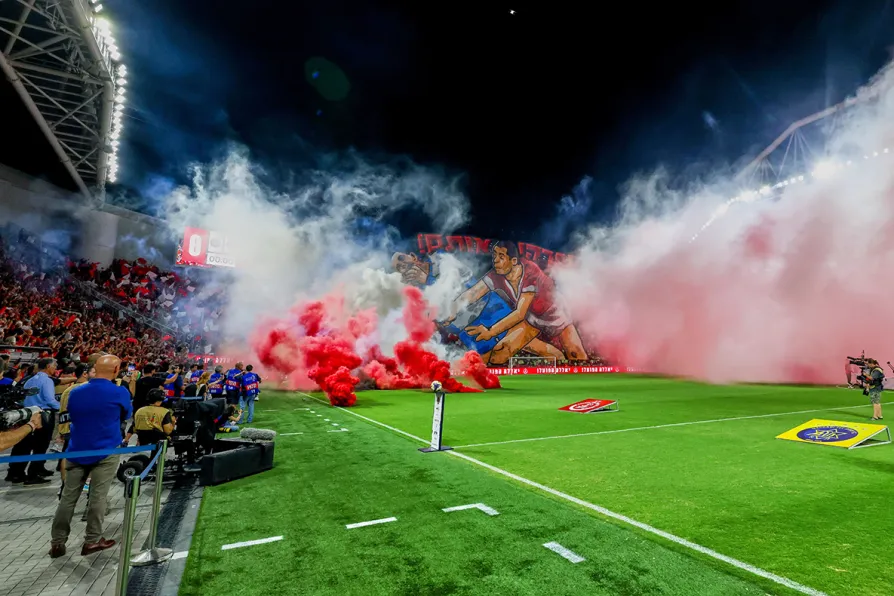
The ban on Maccabi Tel Aviv fans was based on evidence of a pattern of violence and hatred targeting Arabs and Muslims, two communities that have a large population in Birmingham — overturning the ban was tacit acceptance of the genocidal ideology the fans espouse, argues CLAUDIA WEBBE
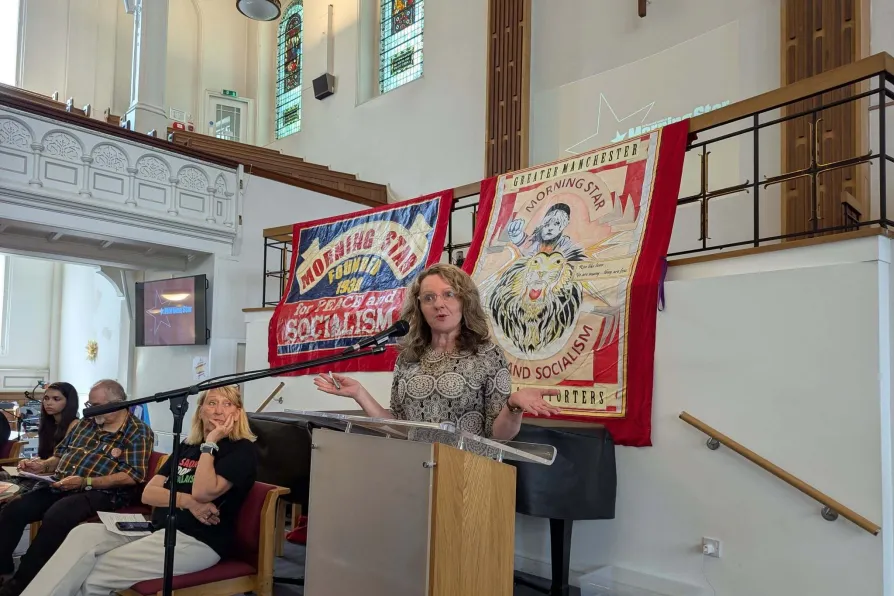
LYNNE WALSH reports from the Morning Star’s Race, Sex and Class Liberation conference last weekend, which discussed the dangers of incipient fascism and the spiralling drive to war
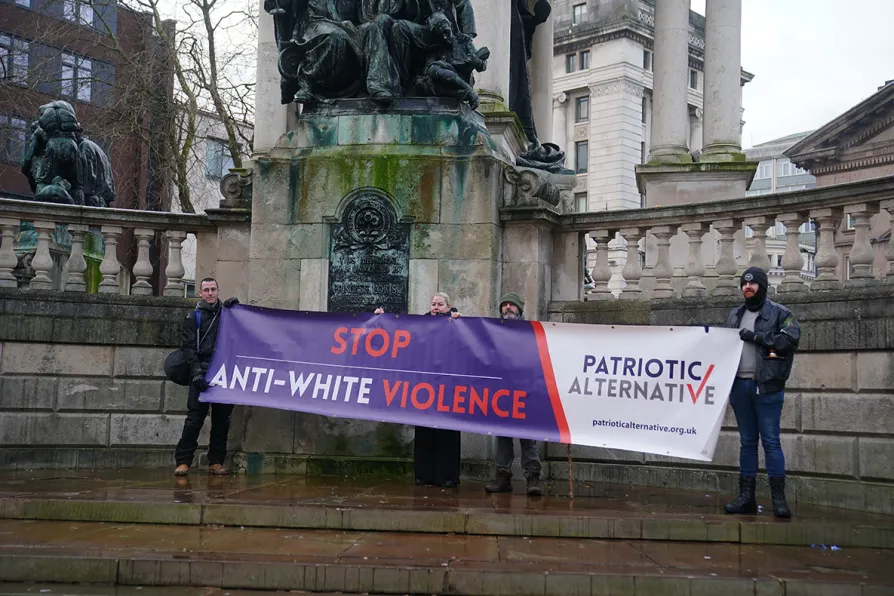
TONY CONWAY assesses the lessons of the 1930s and looks at what is similar, and what is different, about the rise of the far right today