To rescue Kahlo from the clutches of the corporate art market, we need to acknowledge the overt and covert political dimensions of the work, demands GAVIN O’TOOLE


 Latest editorial
What it is to be human
A retrospective of artist Marlene Dumas’s work at Tate Modern is a challenging exploration of birth, sexuality and death, says Christine Lindey
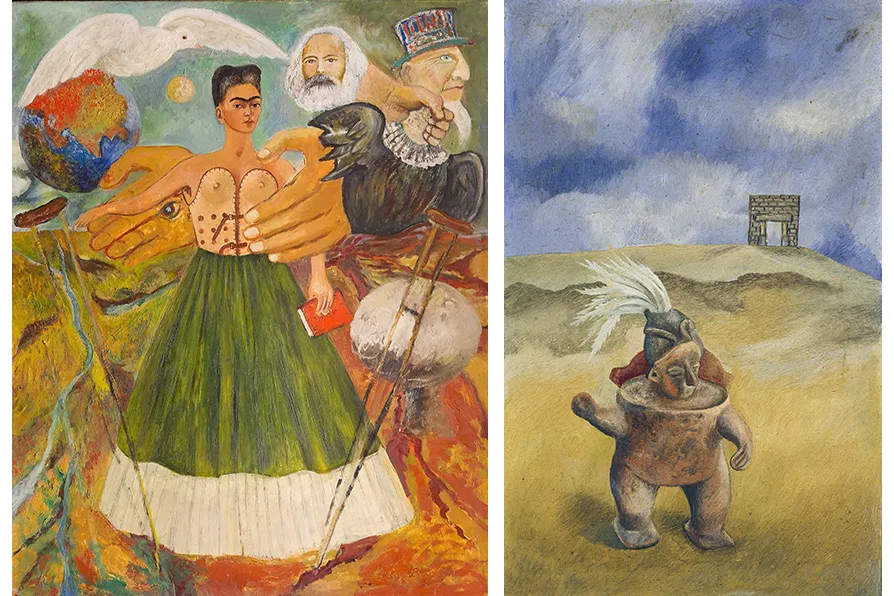
If you can see past the relentless commodification you will be rewarded by enormously powerful work, suggests JENNY MITCHELL
CHRIS SEARLE revels in the one-off collaboration between an American polymath and a British Muslim, and detects the presence of their revolutionary forebear
GORDON PARSONS revels in an ebullient production of Shakespeare’s magical comedy
BRENT CUTLER welcomes a thoughtful analysis of the Erdogan regime, viewed through the evolving history of a neighbourhood in Istanbul
GORDON PARSONS regrets the price, but is dazzled by an outstandingly ambitious study of the way art restoration in particular, and culture in general was weaponised by the Nazis





In 1839 when Louis Daguerre introduced the invention of photography to an astonished assembly of artists and scientists, a leading painter declared: “From today painting is dead.” It survived, although in the 1970s conceptual artists declared painting irrelevant to an age saturated in lens-based imagery.
Marlene Dumas’s retrospective exhibition at Tate Modern proves them all wrong, yet it continues the uninterrupted dialogue between painting and photography initiated by Daguerre.
Dumas was born in 1953 to white Afrikaans-speaking farmers in Kuils-rivier, near Cape Town, five years after the establishment of apartheid. After a straight-laced education in a girls’ boarding school she studied fine art in Cape Town in the early 1970s. Her social and cultural horizons widened but there was little original art to be seen and she was taught the Western aesthetic, then dominated by art theory and conceptual art, from art books and journals.

Similar stories
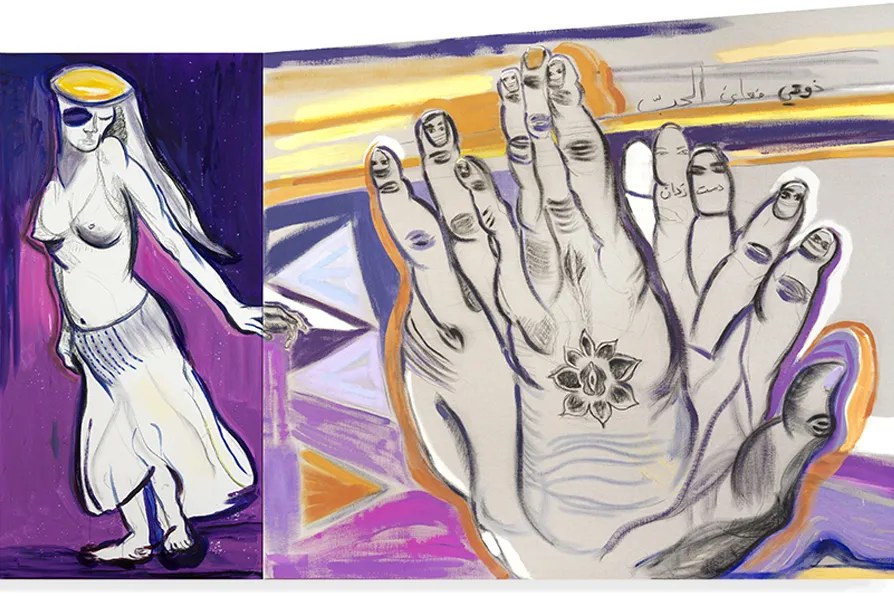
SIMON PARSONS applauds an artist who rescues and rehumanises stories of women, the victims of violence, from a feminist perspective
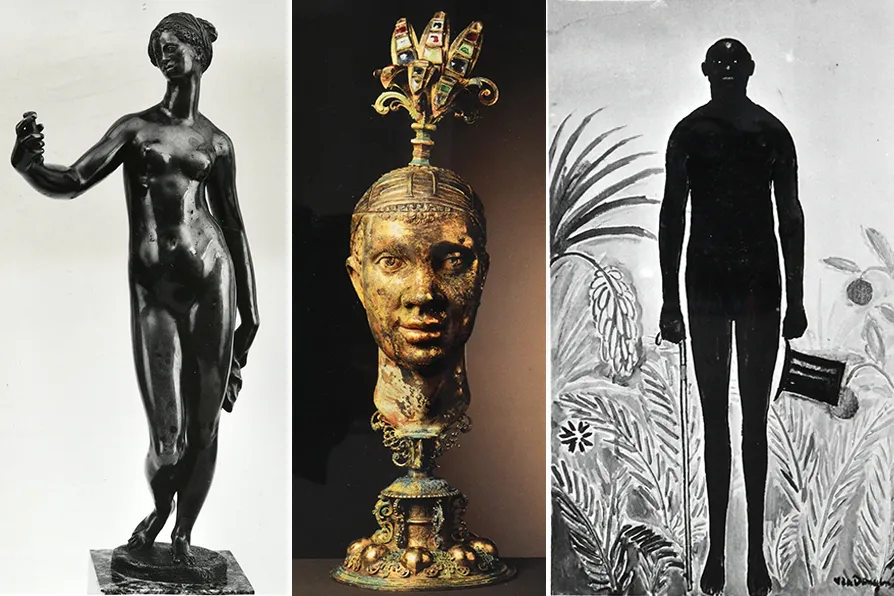
KEVIN DONNELLY accepts the invitation to think speculatively in contemplation of representations of people of African descent in our cultural heritage
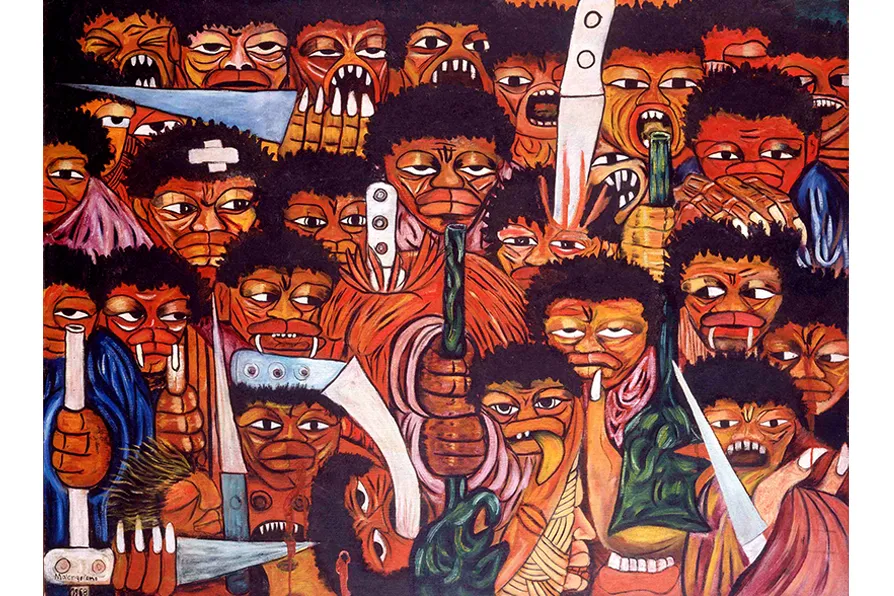
JOHN GREEN welcomes a remarkable study of Mozambique’s most renowned contemporary artist
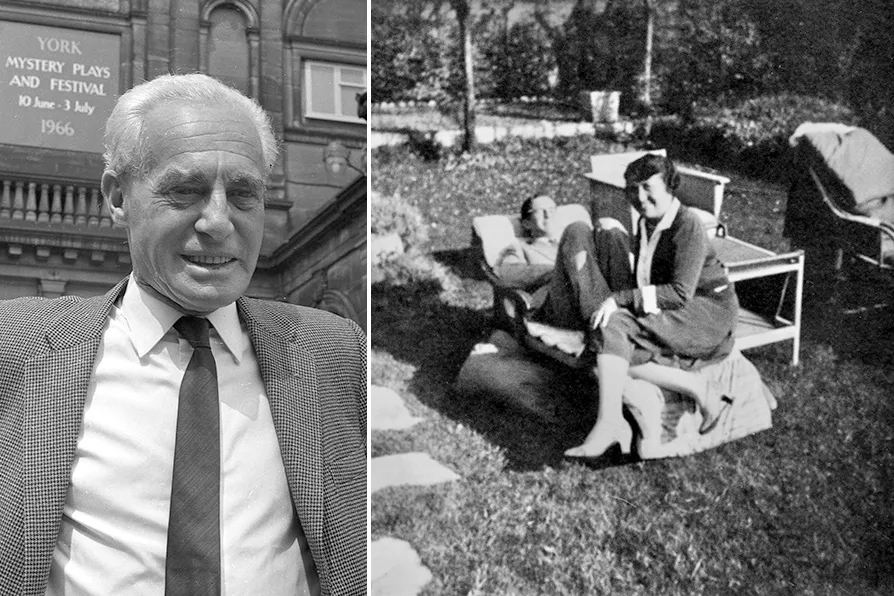
The creative imagination is a weapon against barbarism, writes KENNY COYLE, who is a keynote speaker at the Manifesto Press conference, Art in the Age of Degenerative Capitalism, tomorrow at the Marx Memorial Library & Workers School in London