To rescue Kahlo from the clutches of the corporate art market, we need to acknowledge the overt and covert political dimensions of the work, demands GAVIN O’TOOLE


 Latest editorial
Film round up: February 3
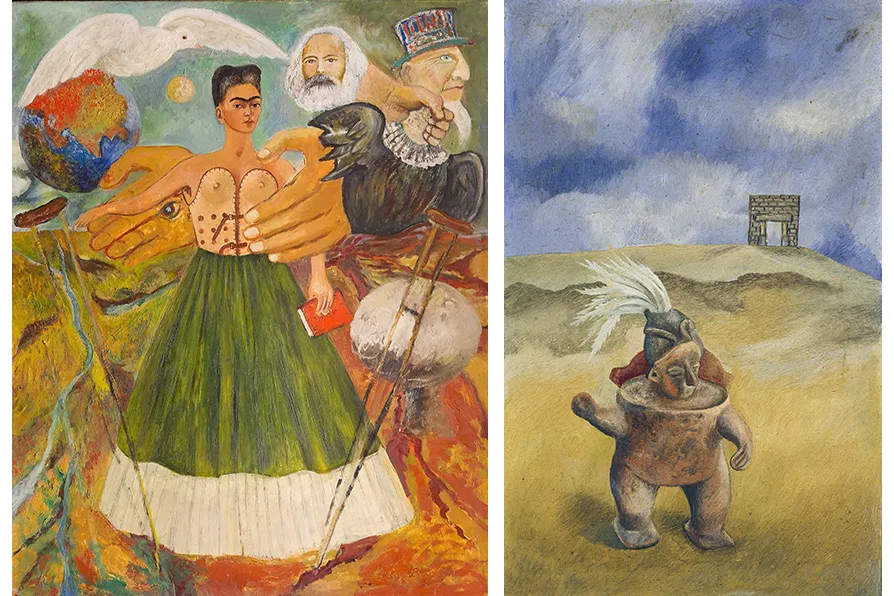
If you can see past the relentless commodification you will be rewarded by enormously powerful work, suggests JENNY MITCHELL
CHRIS SEARLE revels in the one-off collaboration between an American polymath and a British Muslim, and detects the presence of their revolutionary forebear
GORDON PARSONS revels in an ebullient production of Shakespeare’s magical comedy
BRENT CUTLER welcomes a thoughtful analysis of the Erdogan regime, viewed through the evolving history of a neighbourhood in Istanbul
GORDON PARSONS regrets the price, but is dazzled by an outstandingly ambitious study of the way art restoration in particular, and culture in general was weaponised by the Nazis





Toni Erdmann (15)
Directed by Maren Ade
5/5
TOWARD the end of the 19th century, Berlin saw the first cinema screening for a paying audience, paving the way for expressionist classics like Nosferatu, The Cabinet of Dr Caligari and Metropolis, possibly German cinema’s most notable cinematic contribution since that time.
Given this edgy genre background, a German comedy sounds like a contradiction in terms.
Which makes writer-director Maren Ade’s Toni Erdmann all the more impressive and deserving of its Oscar nomination for best foreign language picture, since it combines sharp and affecting characterisation with comedy genuinely arising out of human interaction rather than mere gag creation.
The storyline, revamping that well-worn cinematic trope of unlikely reconciliation between estranged family members, has perfectly played protagonists — practical-joker father Winfried (Peter Simonischek), a music teacher, and his somewhat po-faced career-woman daughter Ines (Sandra Huller), working on a major corporate project in Bucharest.
Emotions come into conflict when, after his beloved dog dies, Winfried turns up in Bucharest where, sporting fake false teeth, a weird wig and claiming to be a life coach, he bonds with Ines. She alters her lifestyle and, among other unlikely emotional changes, celebrates her birthday with a nude party.
At close on three hours, Toni Erdmann is lengthy but it never seems so. The characters emotionally engage, there are fine performances and the story’s funny, moving and credible.
Alan Frank
Tower
Directed by Keith Maitland
4/5
On AUGUST 1 1966 a lone gunman embarked on a killing spree at the University of Texas in Austin. He shot 16 people dead, including an unborn baby, and injured more than 30 others.
It has been described as the day Americans lost their innocence as they experienced their first mass shooting.
The sniper opened fire from the campus’s iconic clock tower and continued gunning down victims over the course of 96 minutes and all the horrors, fears and confusion that ensued are captured in this powerful documentary through the use of animation, first-hand testimony and archive footage.
It is a remarkable visual feat, putting the viewer in the middle of a horrific situation as it unfolds. You hear and see eye-witnesses, along with heroes and survivors, describe in detail what transpired.
The animated characters voiced by actors later transform into real-life people 50 years on as they recall their ordeal and recount the acts of heroism.
A surreal and unconventional documentary which packs a huge emotional punch.
Maria Duarte
Resident Evil: The Final Chapter (15)
Directed by Paul WS Anderson
3/5
IF YOU missed the previous five movies in the Resident Evil videogame-based action shocker series, worry not.
Screenwriter-director Paul WS Anderson’s simplistic more-of-the-same run-out, starting a mere three weeks after its predecessor in the franchise, again pitches Milla Jovovich’s feisty super-soldier Alice against the evil Umbrella Corporation and its voracious post-apocalyptic zombie hordes.
Trump supporters will be shocked seeing the crumbling White House, where Alice wakes after Shawn Roberts’s evil Wesker betrays her again, sparking a tsunami of noisy violent action. She boldly goes where she has gone before to save mankind from extermination by Umbrella’s toxic airborne virus.
Jovovich — athletic, lethal and lovely — triumphs against zombies, human enemies and a villain who admits returning from the dead after she killed him. Combat, not logic, is what matters here.
Excellent special effects create armies of scary ravening cannibal undead, while Anderson’s fast and furious directorial pace keeps credibility at bay in favour of action.
Alan Frank

Similar stories
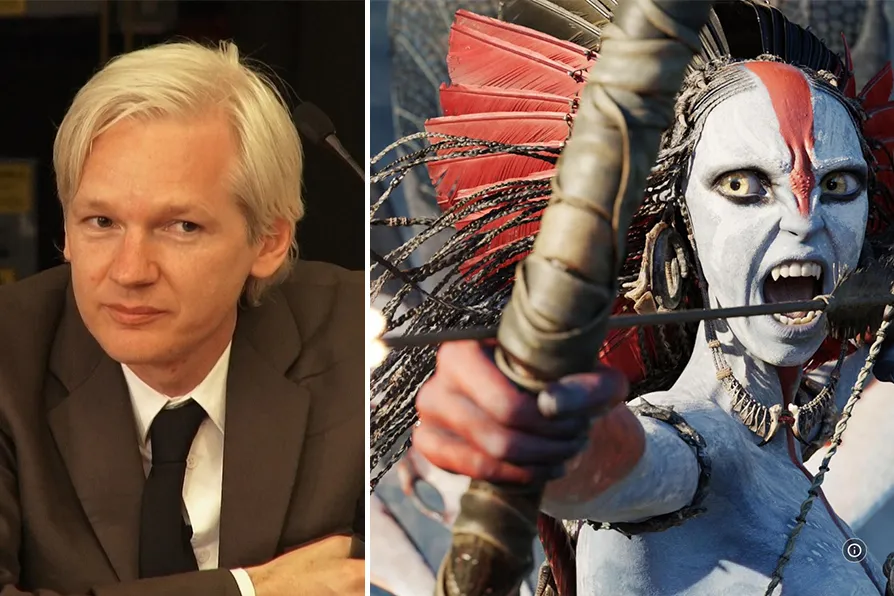
ANDY HEDGECOCK, MARIA DUARTE and ANGUS REID review The Six Billion Dollar Man, Avatar: Fire and Ash, Goodbye June, and Super Elfkins
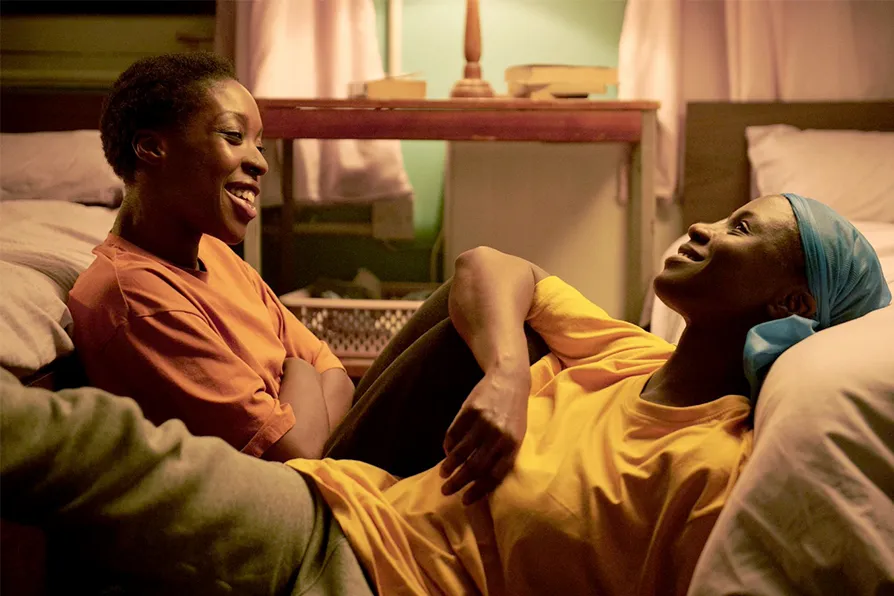
LEO BOIX, ANDY HEDGECOCK and MARIA DUARTE review Dreamers, It Was Just An Accident, Folktales, and Eternity
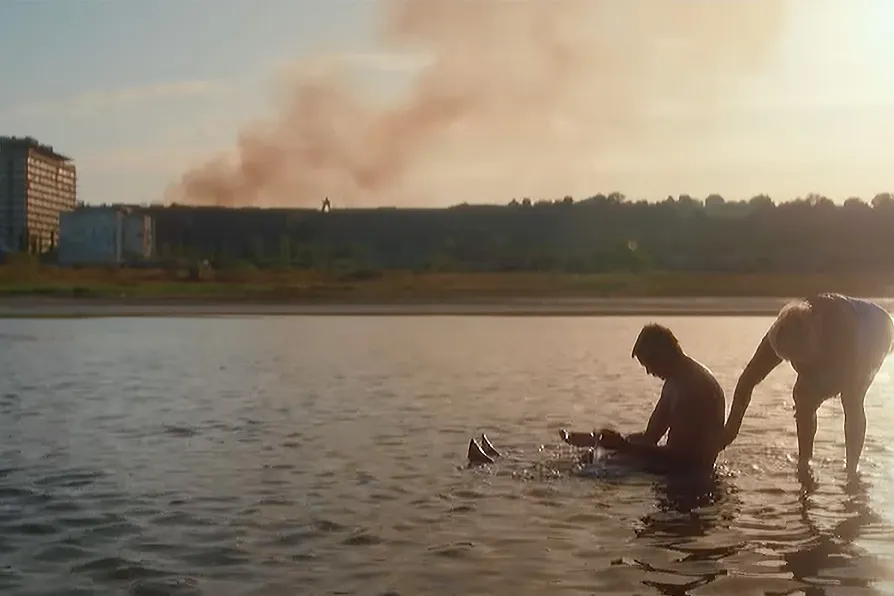
MARIA DUARTE cherishes the flashes of absurd humour and theme of community healing in a documentary set in a Soviet-era Black Sea sanatorium
MARIA DUARTE and ANGUS REID review Friendship, Four Letters of Love, Tin Soldier and The Ballad of Suzanne Cesaire