To rescue Kahlo from the clutches of the corporate art market, we need to acknowledge the overt and covert political dimensions of the work, demands GAVIN O’TOOLE


 Latest editorial
Exhibition: Radical Theatre
LEN PHELAN recommends an exhibition on radical theatre from the 1960s onwards which speaks to our own times
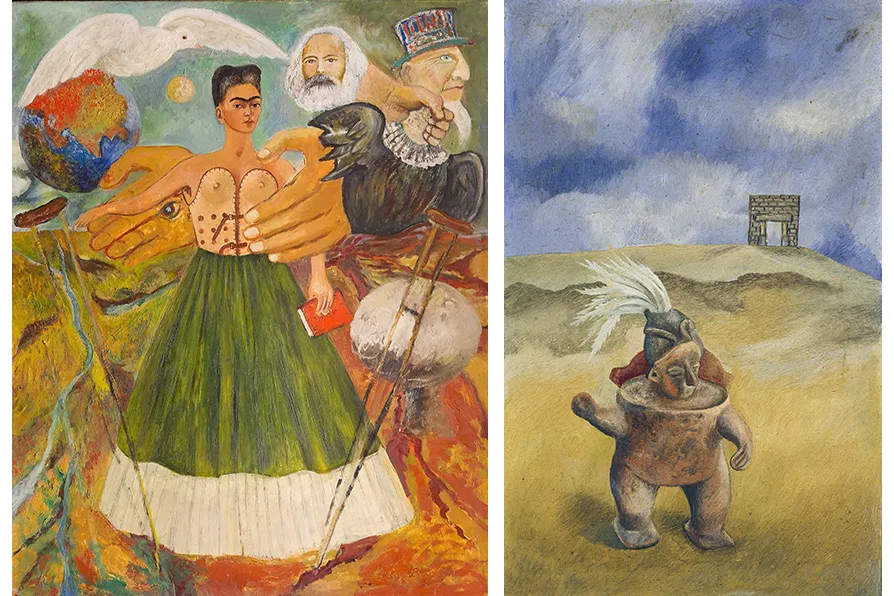
If you can see past the relentless commodification you will be rewarded by enormously powerful work, suggests JENNY MITCHELL
CHRIS SEARLE revels in the one-off collaboration between an American polymath and a British Muslim, and detects the presence of their revolutionary forebear
GORDON PARSONS revels in an ebullient production of Shakespeare’s magical comedy
BRENT CUTLER welcomes a thoughtful analysis of the Erdogan regime, viewed through the evolving history of a neighbourhood in Istanbul
GORDON PARSONS regrets the price, but is dazzled by an outstandingly ambitious study of the way art restoration in particular, and culture in general was weaponised by the Nazis




This paper has always promoted radical theatre from the days when, as the Daily Worker, it supported groups like Unity Theatre that were instrumental in introducing drama with an explicitly left-wing political intent to this country.
From the 1960s onwards, such initiatives evolved into what became known as the alternative theatre movement, when groups like the 7:84 theatre company - whose name derived from the fact that at that time 7 per cent of the population owned 84 per cent off the wealth - flourished.
For a quarter of a century, reflecting the heightened working-class and radical consciousness inspired by industrial struggles, the women's movement and the fight for racial equality and acceptance of sexual diversity, theatre challenged the old order of the drama establishment and offered alternatives that were artistically and politically radical.

Similar stories
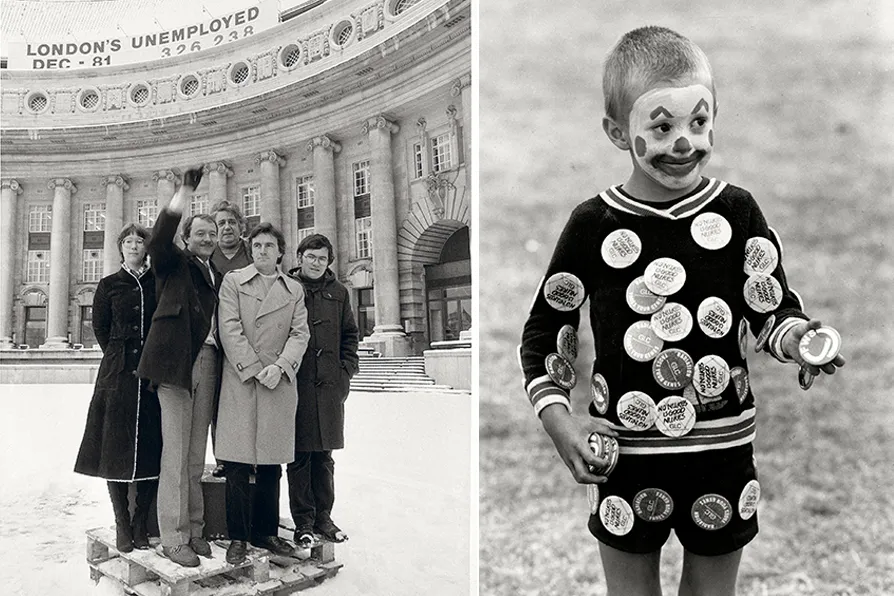
MARJ MAYO recommends a well illustrated and very positive account of an extraordinary period in local government history
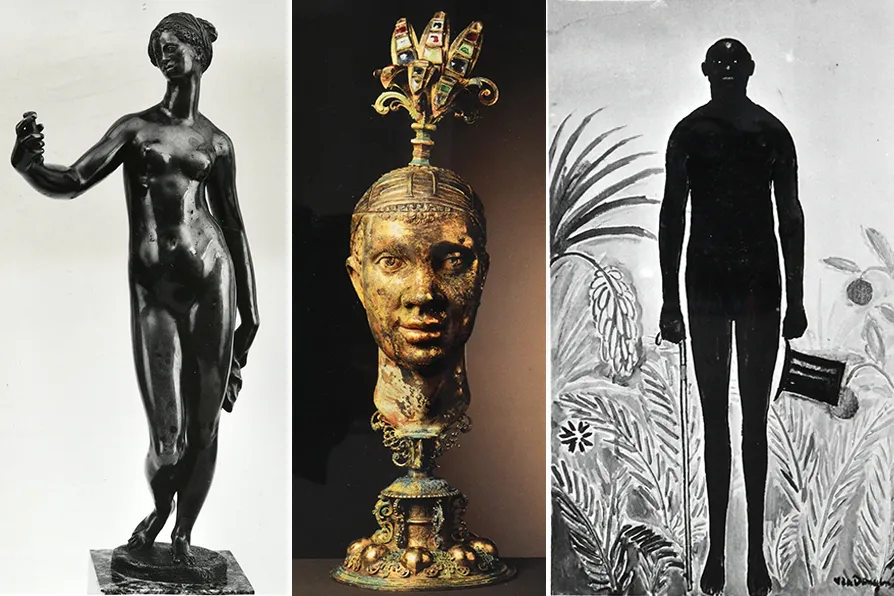
KEVIN DONNELLY accepts the invitation to think speculatively in contemplation of representations of people of African descent in our cultural heritage
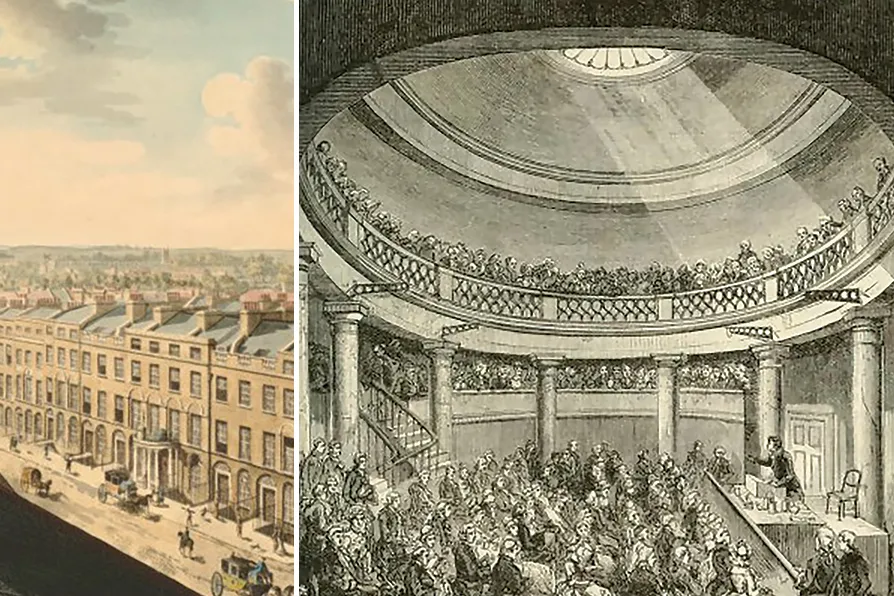
While an as-yet-unnamed new left party struggles to be born, MAT COWARD looks at some of the wild and wonderful names of workers’ organisations past that have been lost to time
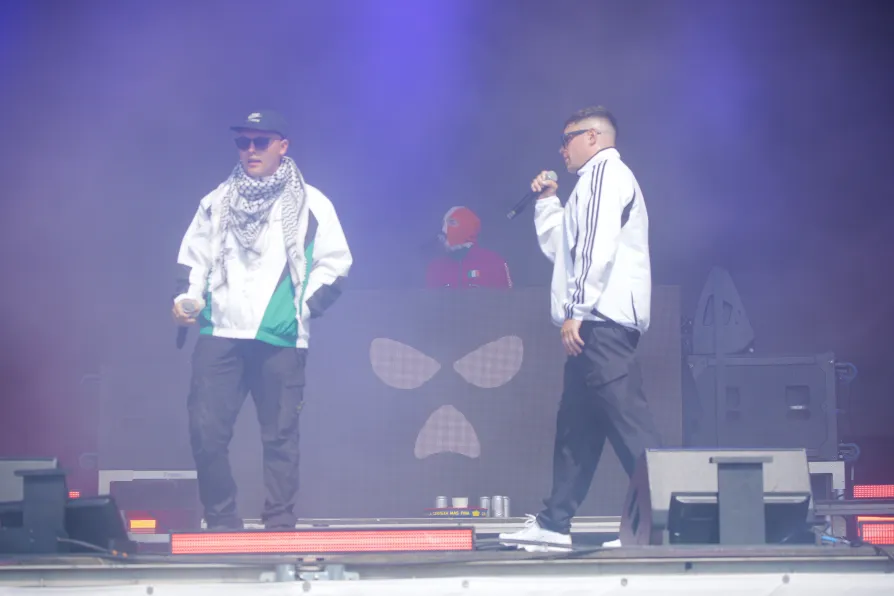
From sexual innuendo about Blackpool Rock to Bob Dylan’s ‘God-almighty world,’ the corporation’s classist moral custodianship of pop music has created a roll call of censored artists anyone would feel honoured to join, writes NICK MATTHEWS